
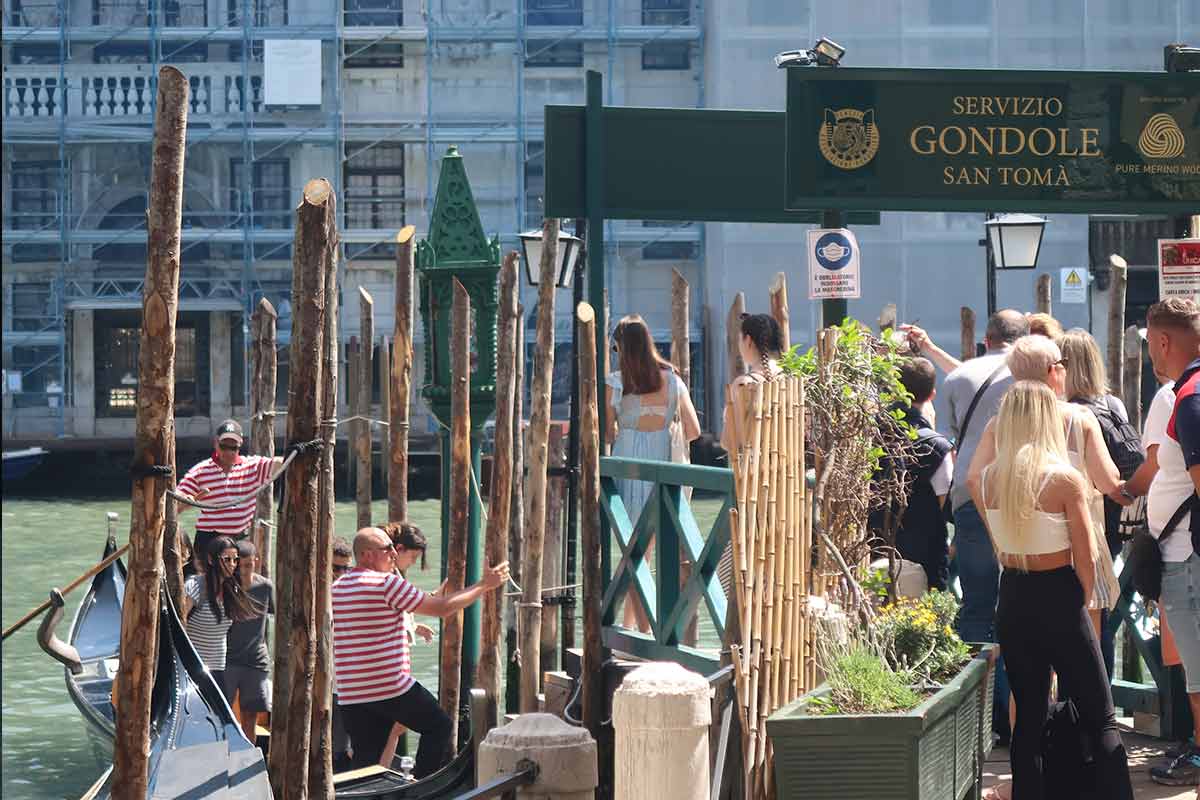
Overtourism in Venice is something that has been on my mind as of late.
Let’s start by saying I’m also a visitor in Venice. I used to travel here from my hometown just under an hour away by train and now I come from abroad.
I also studied in Venice and I was commuting daily, so I’ve had the chance to spend time experiencing the city and with locals over the span of many years.
I’ve seen the city transform and I can’t deny that visiting Venice now has become an overcrowded experience, especially around areas like St. Mark’s Square or Rialto.
These days, I do my best to avoid them and only go if I really have to. The charm of Venice isn’t gone, but it’s harder to enjoy when the city is under pressure.
Overtourism in Venice
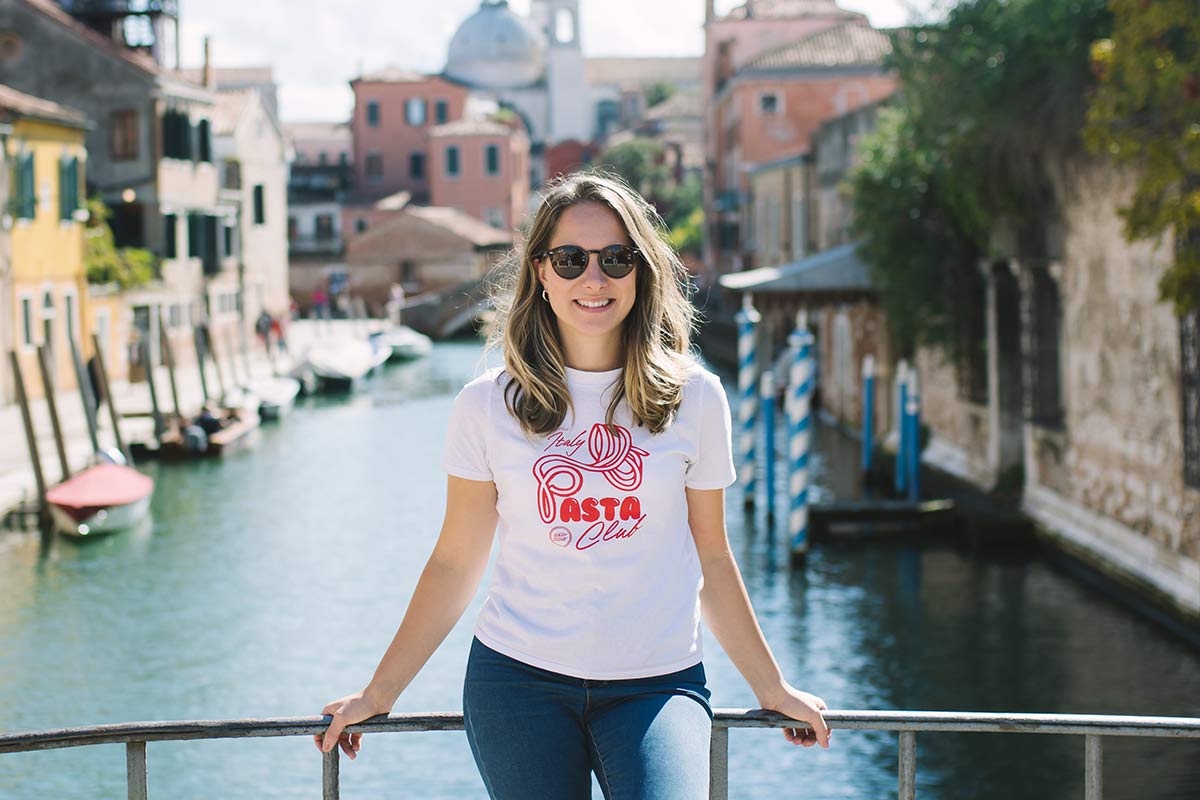
My name is Maddy… you can even read more about me here, and in this heartfelt post, I would like to talk about overtourism in Venice and what it really means.
I want to share with you some of the causes, problems and consequences of it all. I’ll also share what I think each of us can do to protect the city—so that future generations can still fall in love with it.
🔒 Click Here to Unlock My Top Travel Resources
What is Overtourism and why it Matters
Overtourism happens when the number of tourists in a place exceeds what the local infrastructure, environment and population can handle. In Venice, its geography amplifies this problem. The city is small, fragile and built on water.
With just under 50,000 residents in the historic centre and over 10 million visitors per year, Venice often feels like it’s been taken over.
In summer, some days, more than 80,000 tourists per day arrive, outnumbering locals almost 2 to 1. During busy weekends or holidays, you can barely walk through the narrow calli, let alone enjoy the atmosphere.
What was once a city of life and tradition risks turning into a museum or a theme park. But overtourism isn’t just about crowds, it’s about what happens behind the scenes.
Venice Overtourism: Causes & Impacts
1. Tourist Rentals Pushing Locals Out
🏠 One of the most visible consequences of mass tourism is the transformation of housing. For example, Airbnb and similar platforms have exploded in Venice.
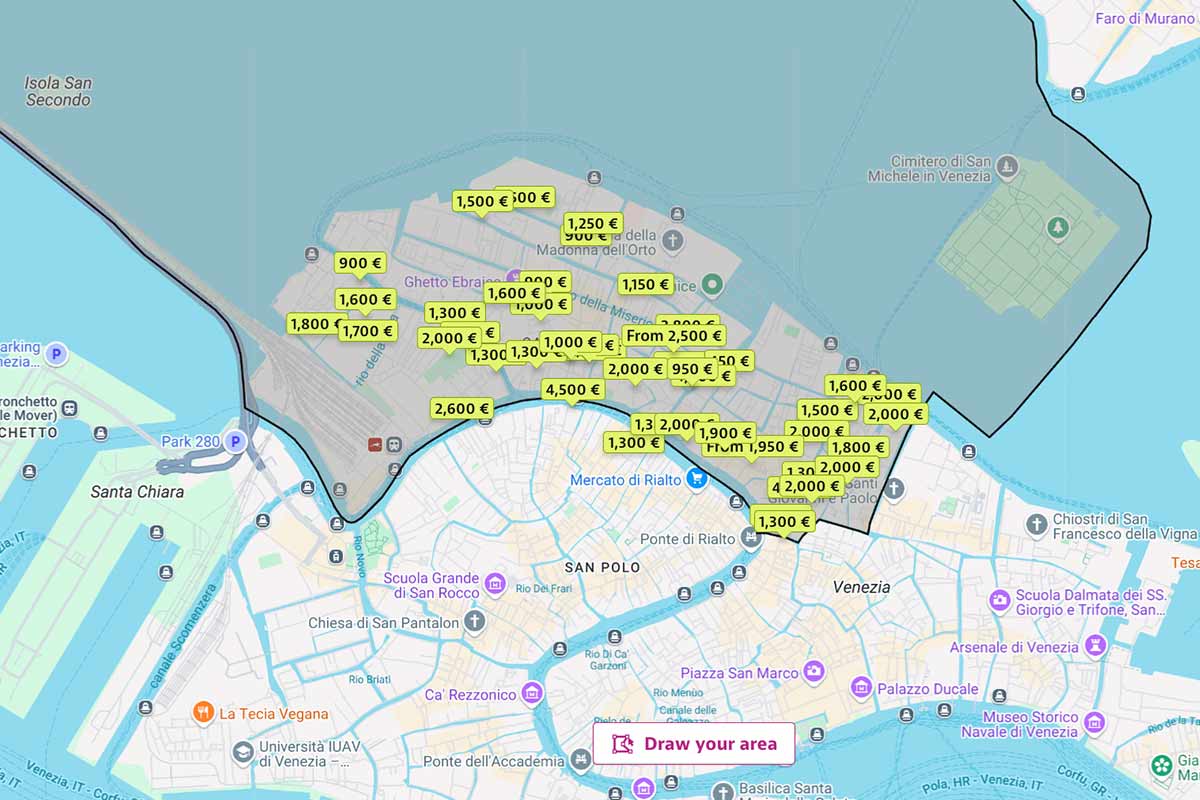
Entire buildings in neighbourhoods like San Polo or Cannaregio are now short-term rentals. Owners prefer to rent to tourists because it’s more profitable than offering long-term leases.
This change drives up prices for everyone else. I used Idealista, but you can also check with the website Immobiliare and you can see how you can easily end up paying well above €1,000 per month for a small apartment.
Many locals are forced to move to Mestre or the mainland, draining the city of its community. In 1951, Venice had about 175,000 residents. Today, the population in Venice has dropped below 49,000 and continues to fall.
2. Shops for Tourists, Not for People
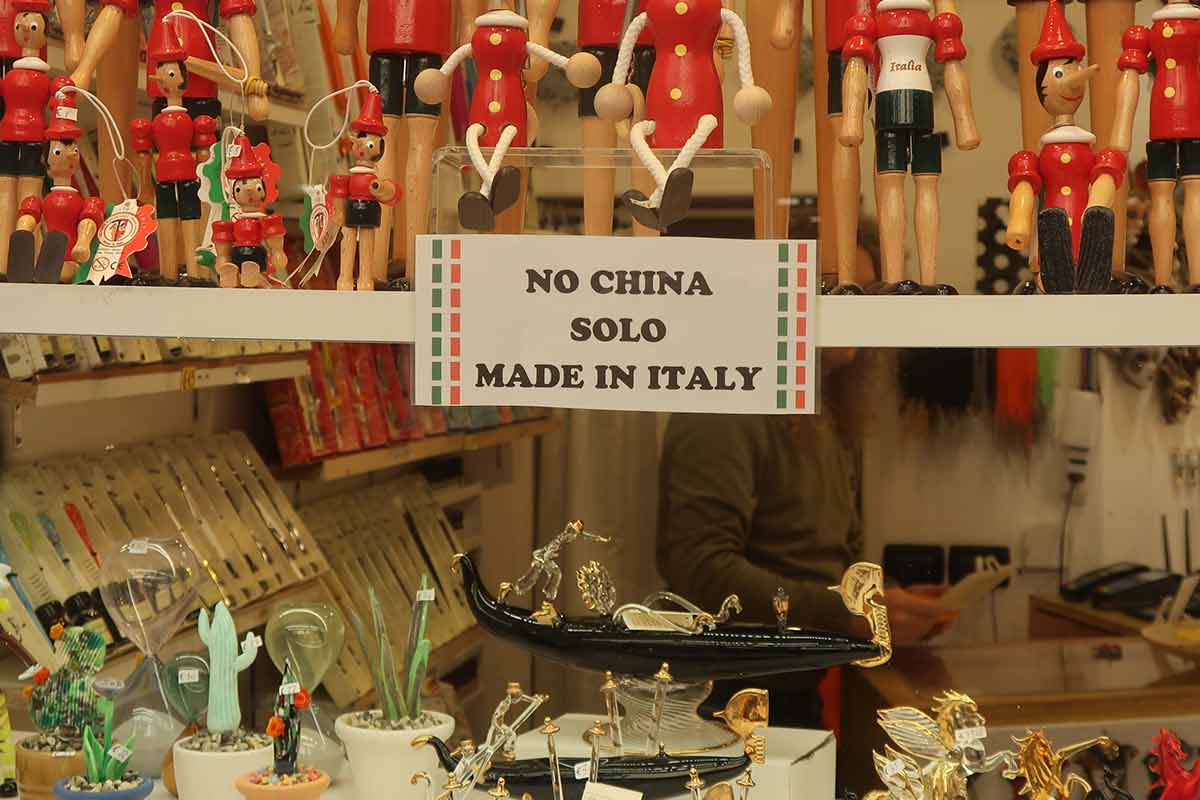
🛍️ Walk down the main streets between Rialto and St. Mark’s and you’ll find shop after shop selling plastic masks, cheap T-shirts and “Made in China” gondolier hats.
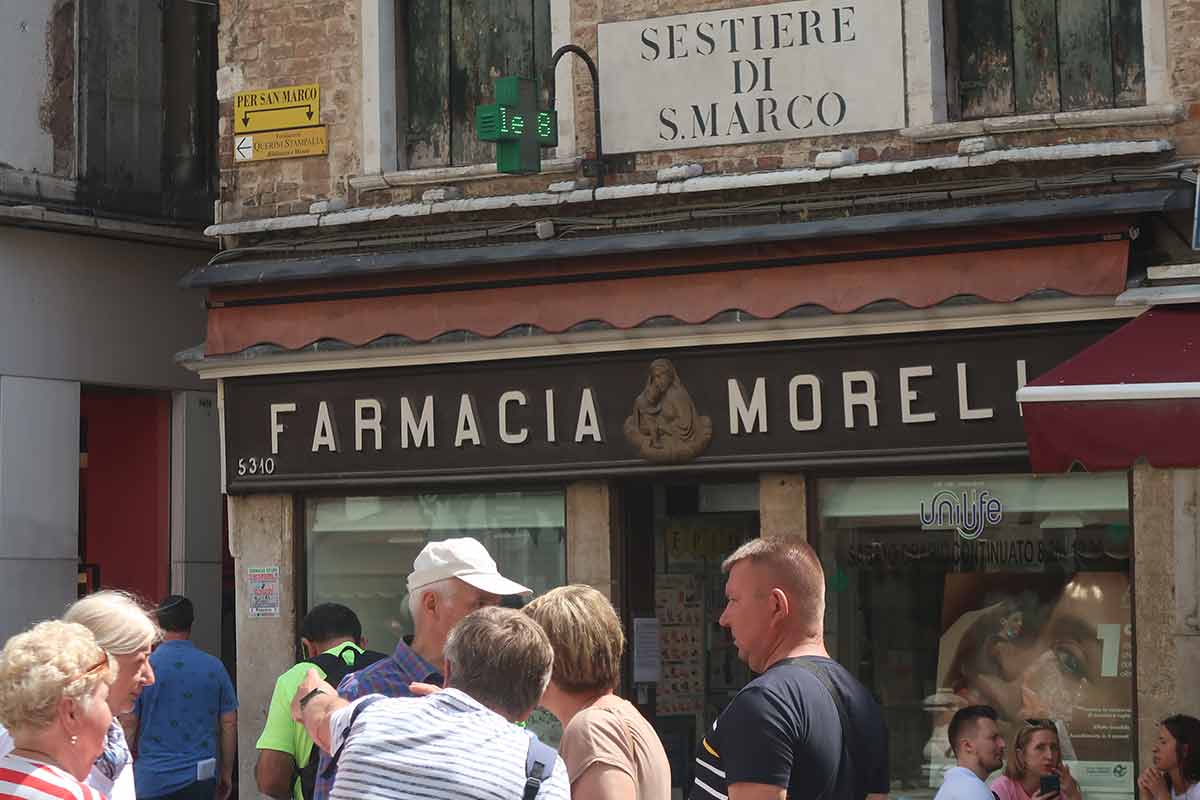
At the same time, artisan shops selling genuine souvenirs are closing one by one, as tourists rarely make it to the outer areas of the city, where only a small number of businesses can still afford the rent.
These tourist-focused shops have taken the place of butchers, greengrocers, fishmongers and other essential services.
In many parts of Venice, it’s now easier to find a magnet or selfie stick than a loaf of bread. Even basic needs like hardware shops or barber shops are disappearing.

3. Transport That Doesn’t Work for Everyone
🚤 The vaporetto (water bus) system is one of Venice’s most iconic features.
One of the reasons Venice is such a unique city! But for residents, it’s a daily means of transport. During peak hours, vaporetti are dangerously crowded. There are long lines, delays and no space to sit.
For Venetians who rely on Line 1 or Line 2 to commute to work or take their children to school, the overcrowding is not just annoying—it’s exhausting. During Biennale openings or Carnival, even the less-touristy lines fill up and locals are often told to wait for the next boat. The system simply can’t keep up with demand.
4. The Price of “Experiencing Venice”
💸 Many local customs have been turned into high-cost tourist attractions.
Gondola rides used to be practical. Now they’re mostly for show—costing €90 for 30 minutes during the day and even more at night.
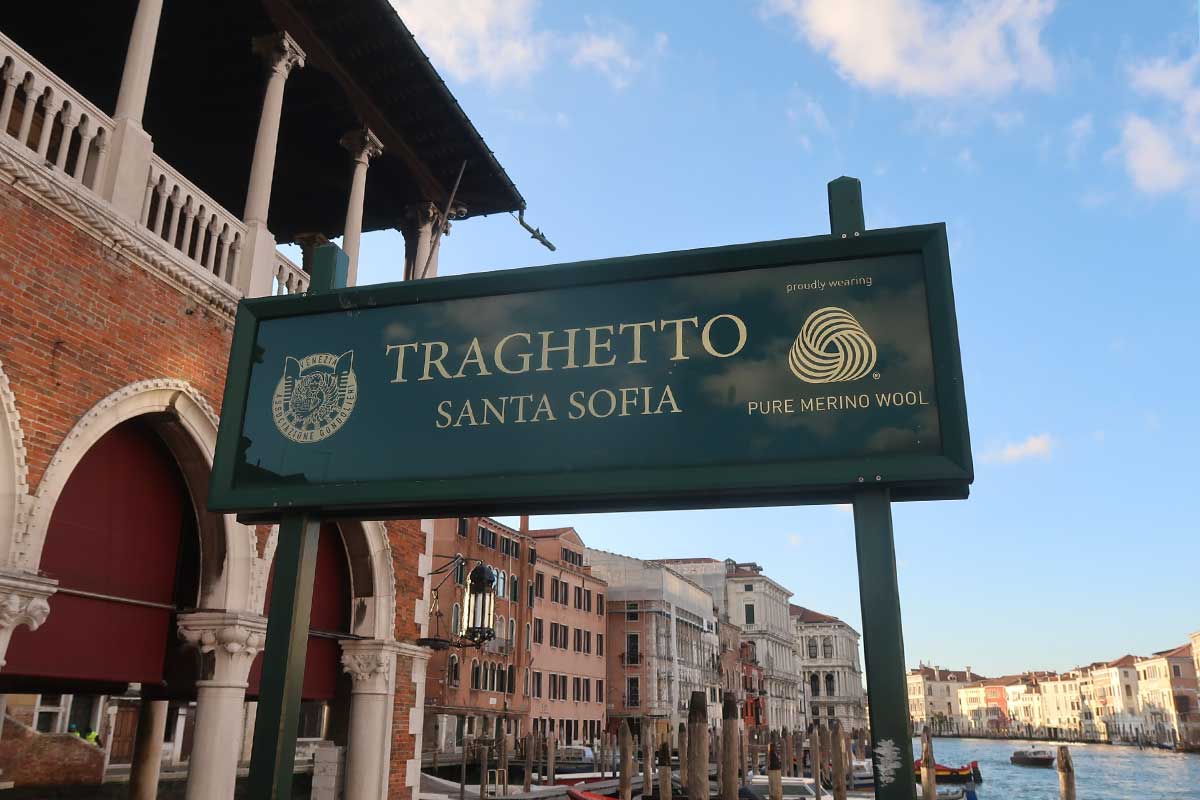
Traghetto gondolas, which Venetians use for a quick canal crossing (costing just €0.70 for residents and €2 for tourists), are now regularly used by tourists who don’t understand their function.
Unfortunately, social media played a role here! Locals waiting to cross have to deal with people blocking the way, taking selfies, or treating the ride like the alternative to the classic gondola ride.

5. The Environmental Impact
🌍 Venice is a delicate ecosystem. The lagoon has to cope not just with natural tides and erosion but with pollution from boats, cruise ships and tourism waste.
Hotels and restaurants often struggle with proper wastewater treatment and bins around tourist areas overflow daily during high season.
Many visitors don’t know (or ignore) the local waste rules—like separating recycling or avoiding littering in busy areas. People leave food wrappers, drink bottles and drink cans on benches or along the calli.
This has become so bad that the city has had to fine people (350 euros, more precisely!) for littering and introducing spot checks.
Did you know that these behaviours are sanctioned in Venice?
6. Bucket-List Tourism
🏆 Many people visit Venice for just one day or even a few hours, especially those coming off cruise ships.
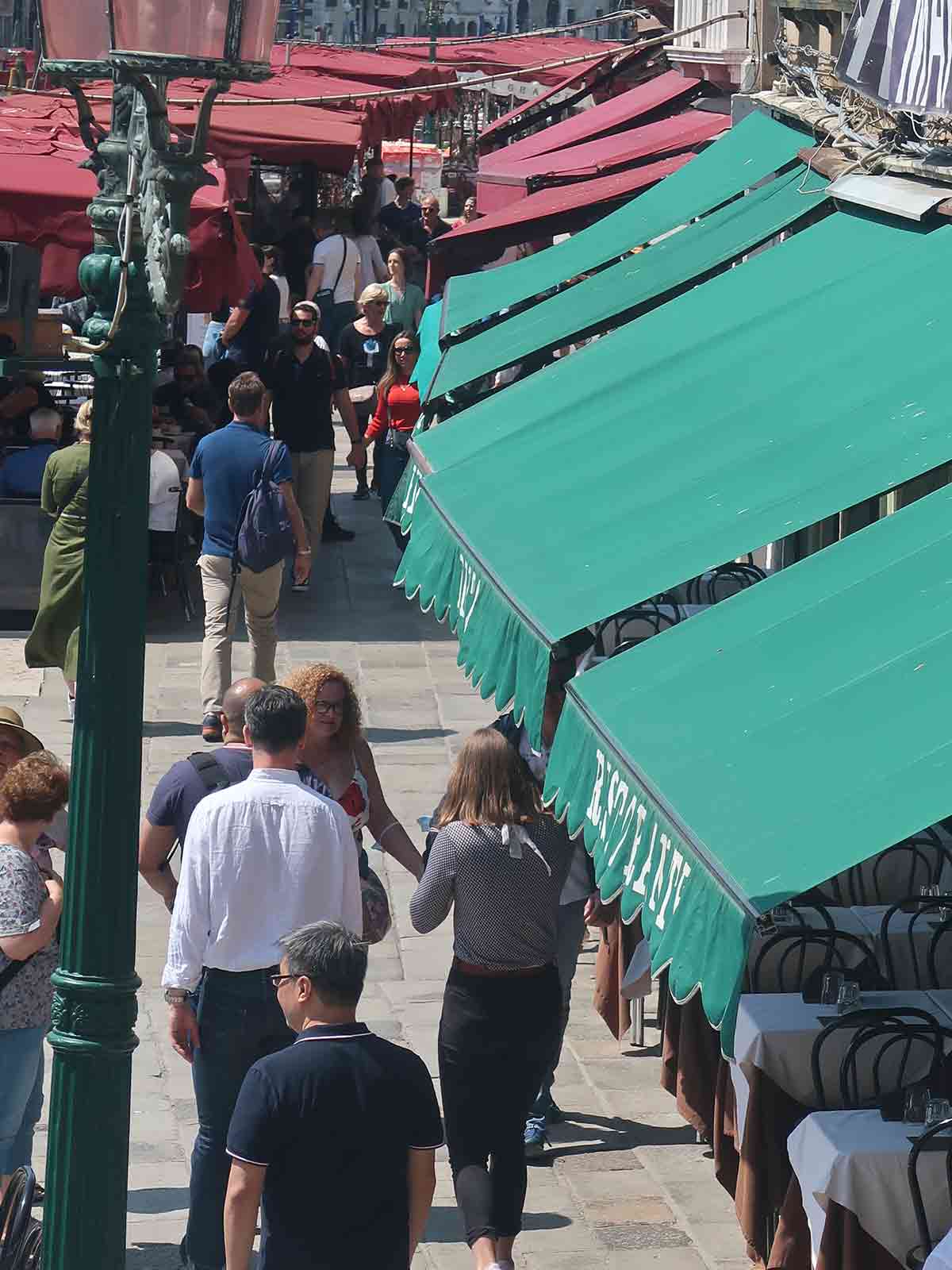
Their goal is to tick off a few must-sees such as Basilica di San Marco, Doge’s Palace, Rialto Bridge and then leave. They don’t venture into less crowded neighbourhoods or engage with the culture beyond taking a few photos.
This type of tourism brings little benefit to the city. Day-trippers often don’t stay overnight or dine locally. They crowd the streets without contributing meaningfully to the economy. And the result is a city that feels constantly overwhelmed, with very little return.

7. Disrespectful Behaviour
🙄 Unfortunately, many tourists behave in ways that clash with local customs.
In summer, it’s common to see people walking around in bikinis, using public fountains to cool off, or blocking bridges and alleyways to take pictures. Some have even gone swimming in the canals—despite it being illegal and unsafe.
Bars often have to put up signs asking people not to use the toilet unless they buy something. Traghetto crossings are disrupted by tourists treating them like amusement rides.
It’s behaviour that shows a lack of awareness—and slowly builds tension between locals and visitors. Read my practical guide on how to be a good tourist in Venice, to learn what simple actions can help being less impactful.
Overtourism’s Impact on Venice
1. Depopulation: Venice Without Venetians
🧳 The most visible and heartbreaking consequence is the exodus of residents.
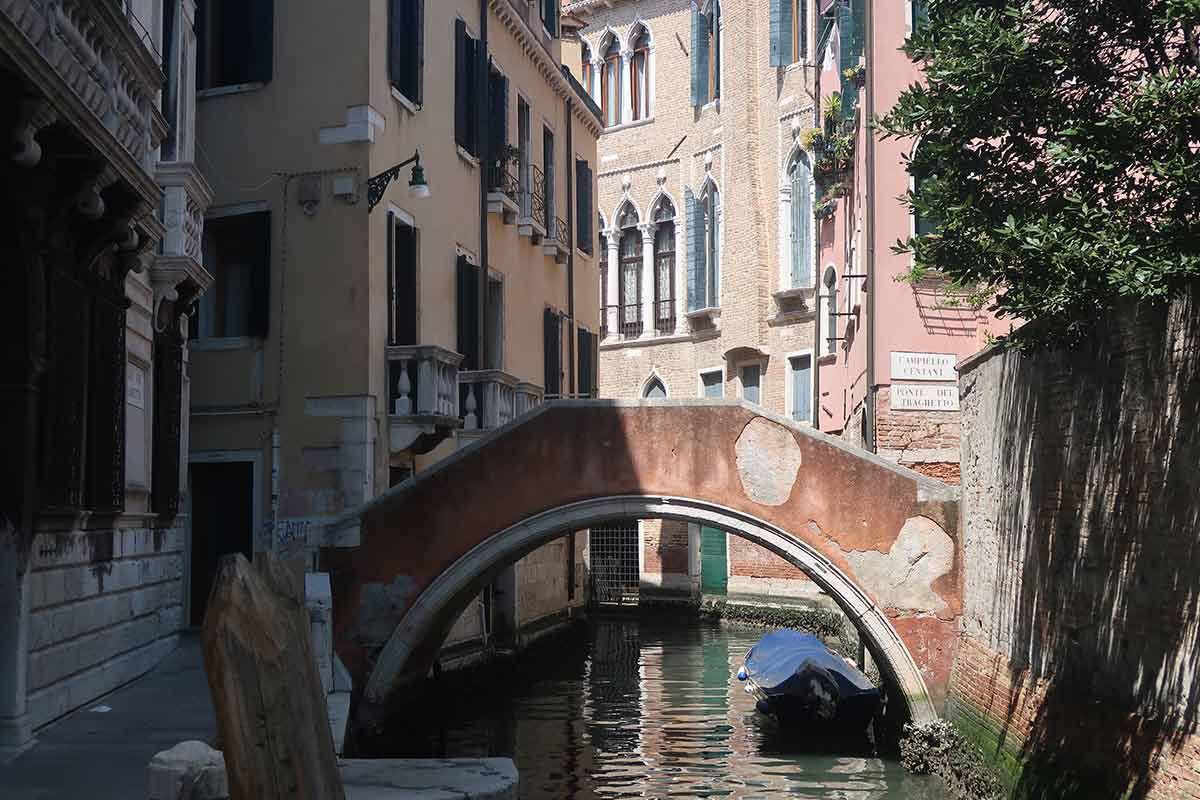
The historic centre once had over 175,000 people in the 1950s. Today, it’s under 49,000. With rental prices rising and quality of life falling, many locals have moved to Mestre or the mainland, commuting in or leaving entirely.
Neighbourhoods that used to buzz with life now sit quiet after dark. In many buildings, lights are off most of the year because the flats are rented short-term. Schools and clinics have closed due to low demand and the sense of local identity is slowly eroding.

2. Disappearance of Everyday Services
🛒 As tourism businesses take over, traditional services for locals are pushed out.
Independent bakeries, butcher shops, hardware stores and corner groceries are being replaced by gelato chains, tourist snack bars and souvenir stalls.
In Santa Croce or Dorsoduro, you’ll still find a few old-school places, but they’re slowly disappearing. Read the story of this historic newspaper stand and how it ended badly.
This affects not only residents, who must now travel further for daily needs, but also the authenticity of Venice. A city without butcher shops or bakeries is not a city that serves its people.

3. Overloaded and Unpleasant Public Transport
🚎 The vaporetto system is one of the city’s few forms of public transport—and it’s under enormous pressure.
Locals depend on it for commuting, errands and daily life. But during tourist season, vaporetto stops become chaotic. Queues are long, boats are packed and delays are common.
On Line 1, locals often have to wait for the next boat because there’s simply no room left. Visitors unfamiliar with the system slow down boarding and some treat it like a sightseeing cruise, taking up seats with luggage and blocking entrances. What should be a simple journey becomes frustrating for everyone.
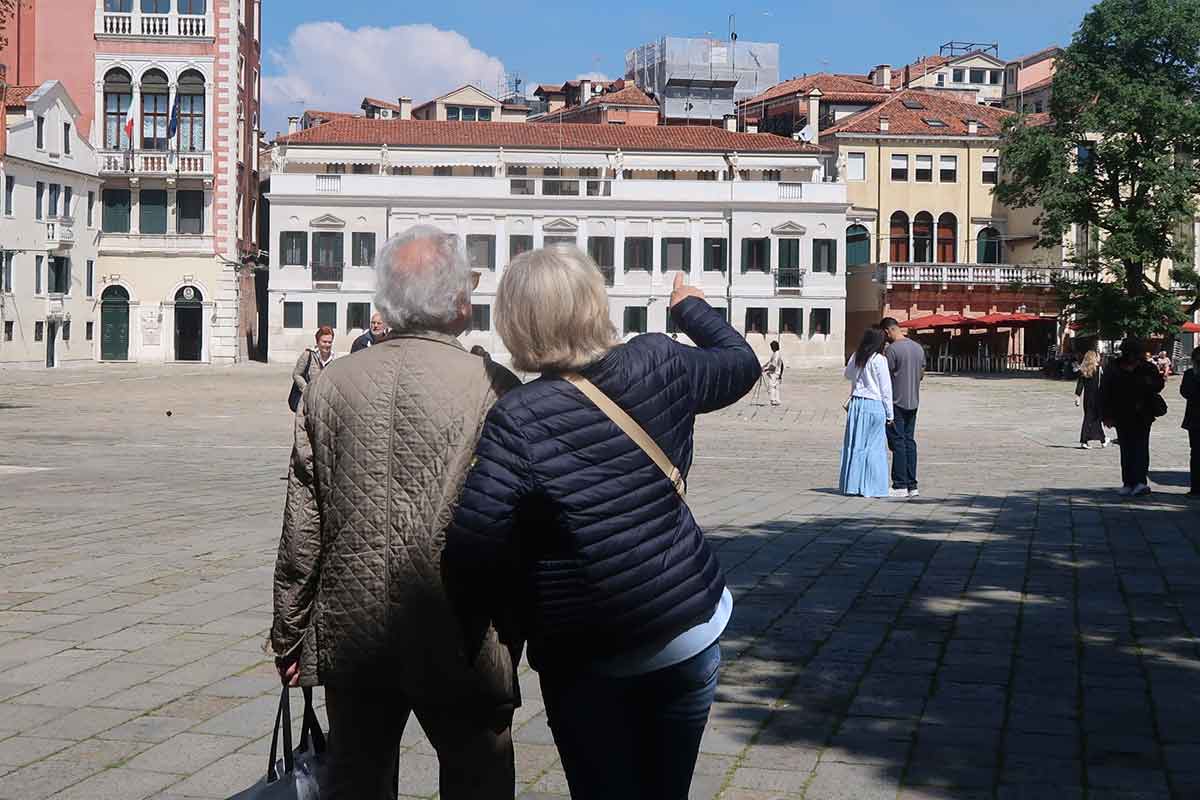
4. Loss of Cultural Authenticity
🎭 When a city begins catering solely to outsiders, its identity can become diluted.
Many traditions and crafts in Venice have been reduced to performances or photo ops. Mask-making, for example, used to be a slow, skilled art tied to Carnival and theatre. Now, many masks are factory-made abroad and sold as souvenirs.
The same goes for Murano glass. While some genuine artisans remain, cheap imitations dominate the market. One of the worst nightmares Venice risks is the one to become a beautiful façade with no much left beneath the surface.
5. Growing Tension Between Locals and Tourists
🤐 As pressure builds, so does resentment.
Locals are often heard venting on crowded boats or whispering to each other in Venetian dialect, assuming tourists won’t understand. While most residents are kind and used to visitors, many are simply exhausted by the constant influx.
Business owners that have their shop in tourist hotspots charge more for certain services and products. It’s not personal but survival. But this subtle tension creates a divide between visitors and the community that’s hard to bridge.
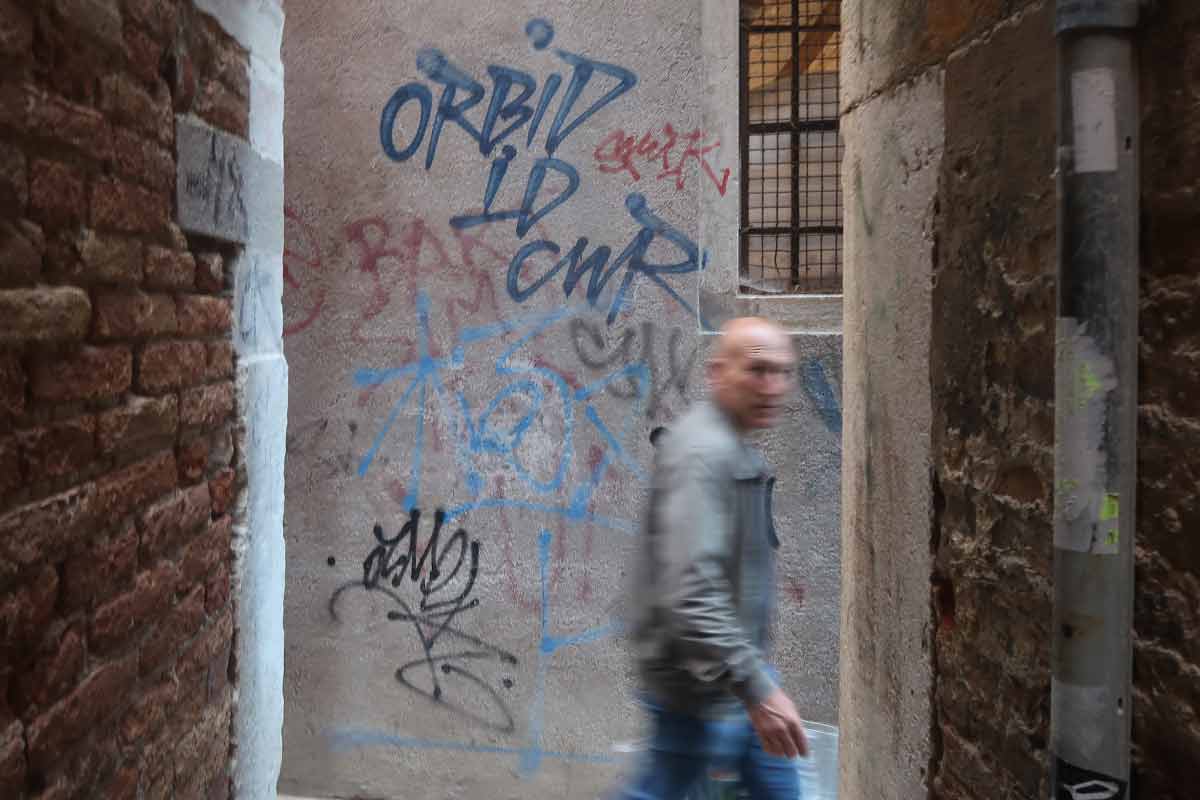
6. Rise in Petty Crime and Tourist Scams
🚨 Overcrowding attracts crime.
In busy areas like Rialto Bridge, St. Mark’s Square and the Santa Lucia train station, pickpockets are increasingly active. The vaporettos—especially Line 1—are hotspots, where distracted tourists are easy targets. Bags, phones and wallets disappear in seconds.
There are also scams targeting unsuspecting visitors. Fake ticket sellers operate near public transport stops. Others pose as porters, grabbing your luggage at Piazzale Roma or the station and demanding €10–20 for short distances.
These “abusive” porters often have no license and tourists don’t realise they’re being overcharged until it’s too late.
Police do respond, but with millions of visitors and limited resources, it’s difficult to manage. The result is a city that feels less safe and welcoming, even though crime is largely non-violent.
🧳 Need luggage storage in Venice? Bounce makes it quick and safe. Don’t haul your bags around, see how you can store your luggage securely before you arrive.

7. Tourism That Gives Little Back
📸 A large portion of visitors to Venice are day-trippers, especially those from cruise ships or surrounding regions.
Many spend just a few hours in the city, focusing on the most popular sights.
- They don’t stay overnight, dine locally, or shop in artisan stores. They typically bring their own food, use public services and leave behind waste.
- This type of tourism contributes to overcrowding but provides very little economic benefit to local businesses.
In fact, it costs the city money in extra cleaning, transport strain and policing. Venice ends up subsidising a tourism model that’s not sustainable in the long term. This is also the reason the Venice entry fee has been introduced back in 2024.
8. Empty Neighbourhoods and Seasonal Venice
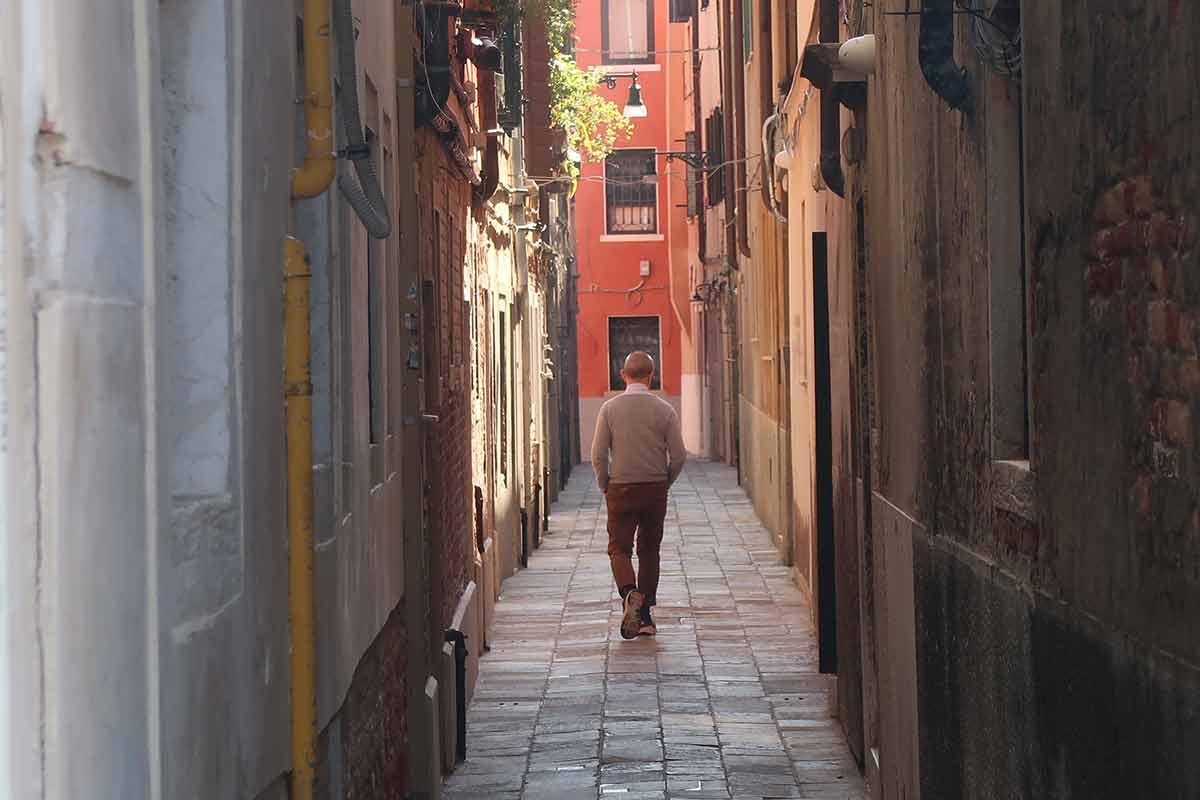
🏘️ Because so many homes have been turned into short-term rentals, entire streets are empty during the off-season.
Areas like parts of Castello or San Polo can feel like ghost towns in winter. This seasonal rhythm makes Venice feel less like a lived-in place and more like a stage set.
When tourists arrive, the city “wakes up” for the show, but the sense of real, ongoing community is lost. This impacts visitors too. It’s harder to connect with a city that only exists part of the year.
Things you can do as a Visitor
As a traveller to Venice you don’t need to be perfect, but being a little more thoughtful makes a real difference.
Here are a few simple, impactful ways to help:
- Stay local: Choose small B&Bs, guesthouses, or boutique hotels managed by Venetians instead of large hotel chains or international platforms. These are 3 star hotels, perfect if you have a medium budget.
- Visit less-crowded areas: Spend time in Santa Croce, Giudecca, or the Jewish Ghetto. You’ll find better food, fewer crowds and more authentic experiences. My neighbourhoods guides and maps can help you explore each neighbourhood beyond the main tourist attractions and discover incredible hidden gems!
- Be respectful: Dress modestly, especially to visit churches. Don’t swim in canals or use fountains to cool off. Use public toilets or ask politely at a café after ordering something. Don’t litter, if the bins are too full, wait to find an emptier bin or carry back to your accommodation.
- Don’t misuse services: Traghetto gondolas are for crossing the canal, not for selfies. If you use one, know where you’re going and have €2 ready. When it comes to the vaporetto, if you see that the line is too crowded, choose an alternative line to reach your destination.
- Stay to the right: Especially when crossing bridges and narrow alleys to allow everybody to keep walking.
- Support real artisans: Buy from mask-makers, bookbinders, glass artists and local designers—not stalls selling mass-produced souvenirs. I regularly visit artisans and artists and I talked about some of them in these Venice artisans part 1 and Venice artisans part 2 reels on Instagram.
- Learn something: Read about the city, visit a lesserknown museum, or take a tour that focuses on history or the lagoon’s ecology. Feel free to reach out to me, if you need some direction.
- Plan sustainably: Avoid visiting Venice in peak season or when big events are going on and opt for shoulder and low season instead. I can guarantee you, Venice doesn’t lose its charm at all, if anything, you’ll find it even more fascinating.
Venice deserves better
Venice is one of the most unique cities in the world—but more than anything, it’s a living city, not a postcard or a place to tick in your bucket list only.
Tourism is important to Venice’s economy, but if it continues like this, there will be no one left to welcome you.
As visitors, we have a choice: do we treat Venice like a checklist, or do we slow down and connect with it? Do we want quick photos, or meaningful memories?
The way we travel matters. And Venice is worth travelling for, do your homework and get ready to experience the real one, not just the touristy side of it.
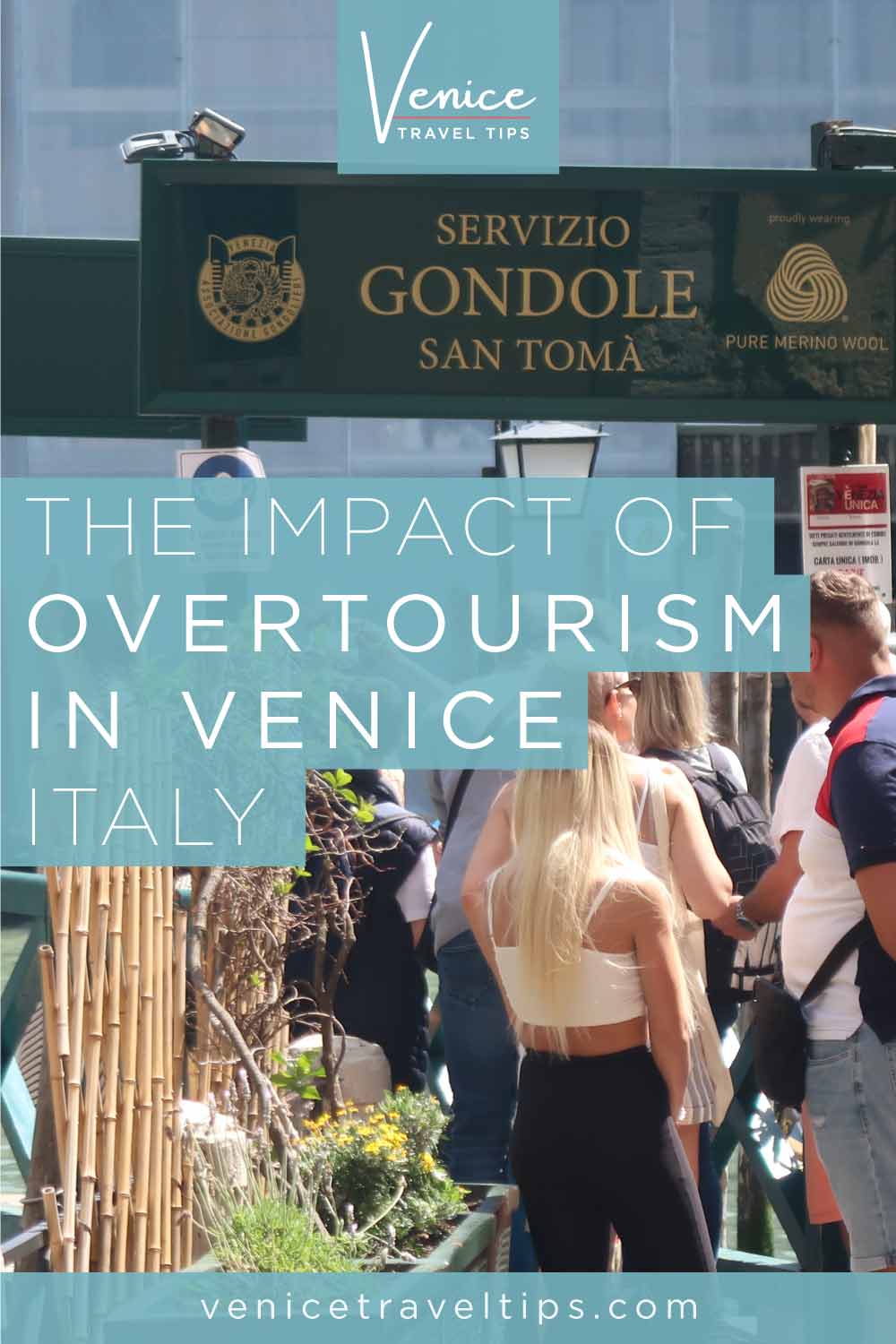
📌 Like this guide? Tap to Pin it…
If you found this Venice travel guide helpful, feel free to buy me a virtual coffee here.
“Dear traveller! Some links in this post contain affiliate links. Meaning, if you click through and make a tour booking or reserve a hotel, I may earn a small commission at no additional cost to you. Your support means a lot to me and helps me to keep creating and maintaining the quality of this site for you.”


