

There is a moment, and if you’ve been there, you’ll know exactly what I mean, when you crest one of the steep lanes above Valdobbiadene and the whole landscape opens up in front of you.
The Prosecco Hills sit in the heart of the Veneto region in northeast Italy, stretching roughly between the towns of Conegliano in the east and Valdobbiadene in the west.
This is the home of Prosecco DOCG, the highest quality designation, where grapes are still harvested by hand on slopes too steep for any machine.
I grew up not far from here and have been visiting these hills my whole life. In this guide, I want to share everything I know and how to visit the Prosecco Hills.
How to visit the Prosecco Hills
I love Venice, and after exploring more of the Veneto region, I wrote this guide to give you an overview of what the Prosecco Hills as a destination offer: including why it’s worth visiting, when it’s best to go, best places to visit and things to do.

Are the Prosecco Hills worth visiting?
Absolutely, yes. I’d say that even if I weren’t a little biased by a lifetime of visits.
Here’s the thing about the Prosecco Hills that surprises most people: it’s not a polished wine tourism destination. You won’t find a row of glossy tasting rooms or hordes of tourists trundling between the vineyards.
And… in my humble opinion: that is exactly how it should stay.
What you’ll find instead are narrow lanes between vine terraces, villages of a few hundred souls where the bar doubles as a social hub, and small family producers who will happily sit with you for an hour if you seem genuinely curious about their wine and other locally grown products.
Since July 2019, the Conegliano Valdobbiadene Prosecco Superiore wine landscape has been a UNESCO World Heritage Site, one of the few wine regions in the world to earn that recognition.
The inscription acknowledges not just the wine itself but the entire cultural landscape: the ciglioni (the narrow grass terraces that give the hills their distinctive ribbed profile), the forests, the villages and the centuries-old farming practices that created them.
Who are the Prosecco Hills for?

- Wine lovers will find some of the most interesting Prosecco they’ve ever tasted.
- Hikers and cyclists will find well-signed trails and routes through extraordinary scenery.
- Slow travellers, families and couples will find a region that rewards lingering, a long lunch here, a sunset from a belvedere there, a SPA retreat surrounded by rolling hills and peace.
What it’s not: a theme park. Don’t expect English menus everywhere, or opening hours that stay reliably fixed. Do expect warmth, generosity and food that will make you rethink everything you thought you knew about the Veneto region.
When is the best time to visit the Prosecco Hills?
The short answer: mid-April to mid-June and then late September to mid-October is the sweet spot. Between August and September you can also experience the harvest and the hillsides turn gold and amber. But every season has something genuine to offer.
Spring (April–May)
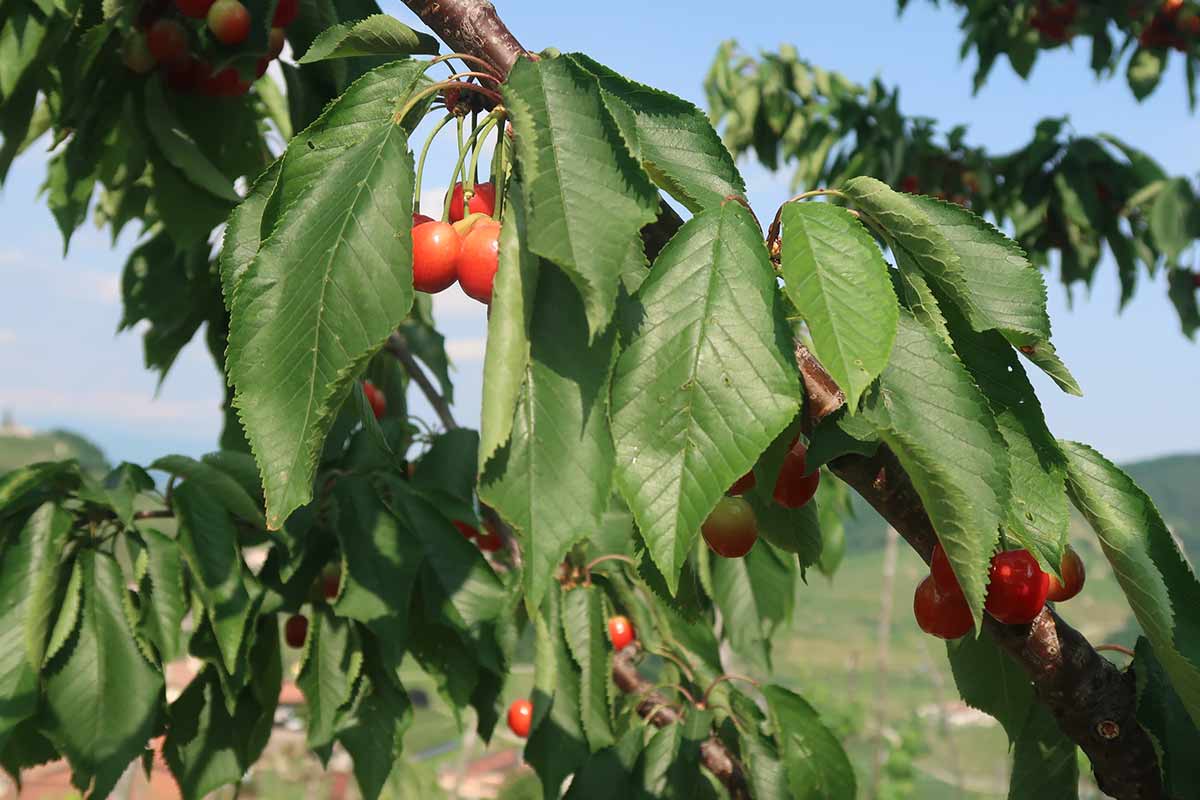
Brings the vines back to life and the landscape is lush and freshly green after the winter rains. It’s quieter, prices are lower and the light is beautiful. Wine makers open their doors with the first round of “Cantine aperte”.
You can also take part in the event Primavera del Prosecco, a circuit of wine exhibitions and local village festivals celebrating Prosecco Superiore DOCG, offering tastings, winery visits, nature excursions, art, and culture.
Summer (June–August)
This is when the hills are at their most tourist-friendly. Cantine (wine cellars) are generally open, the weather is warm and reliable, and there are local festivals most weekends. July and August are the busiest months, but this is still far from overcrowded compared to Venice.
Harvest season (late September–October)
The one I recommend most. The “vendemmia” (grape harvest) transforms the entire area, you’ll see families and workers moving through the rows of vines, the air smells faintly of must, and many producers hold open cellar events.
The landscapes are genuinely stunning as the leaves change colour. Book accommodation well in advance for this period.
🏡 Here’s my recommended agriturismi and B&Bs saved as a wishlist.
Winter (November–February)
Quiet and cold, but there’s something beautiful about the bare vine rows in fog: very cinematic. Some agriturismos and businesses close, but you can often arrange private tastings directly with producers.
| Season | Best for | Weather | Crowds |
| Spring | Scenery, quiet visits | Mild, some rain | Low |
| Summer | Full tourist infrastructure | Warm, drier | Medium |
| Harvest (Sept–Oct) | Atmosphere, tastings | Warm days, cool nights | Medium–High |
| Winter | Solitude, fog scenery | Cold, damp | Very low |
How to get to the Prosecco Hills from Venice
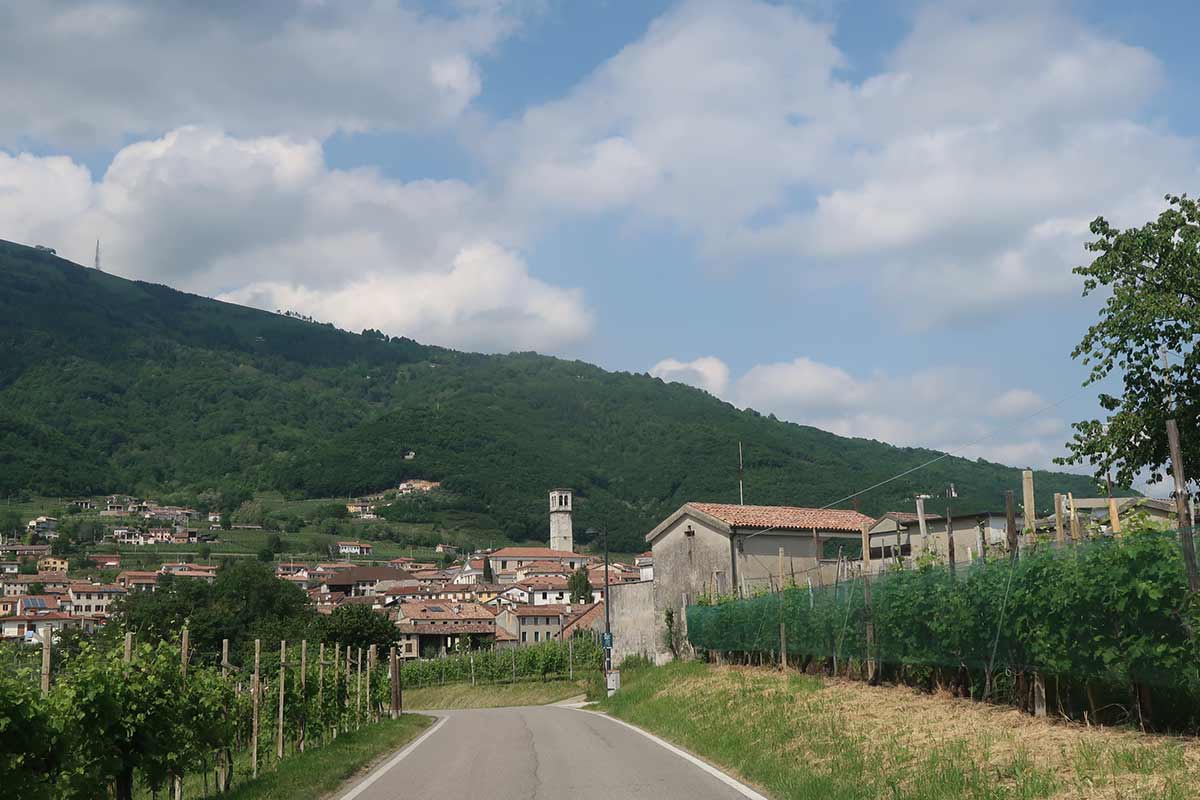
The Prosecco Hills are around 70–80 kilometres from Venice, which translates to roughly an hour by car, and it’s a genuinely enjoyable drive once you leave the plains and start climbing into the hills.
By car
The most flexible option and, honestly, the one I’d recommend if you can manage it. You’ll be able to stop at viewpoints on the way to your accommodation or to a wine cellar and visit places that are difficult to reach by public transport. The SS13 from Venice towards Conegliano is straightforward, and parking in both Conegliano and Valdobbiadene is easy. Additionally, you can also get on the motorway A27 and get to Conegliano in 50 minutes.
One thing to keep in mind: if you’re planning to do serious wine tasting, sort out a designated driver in advance.
By train
The Venice–Conegliano regional and fast regional direct trains run frequently and take about an hour for the regional train and 45 minutes for the fast regional train. Conegliano is a great base and the train station is right in the centre of town.
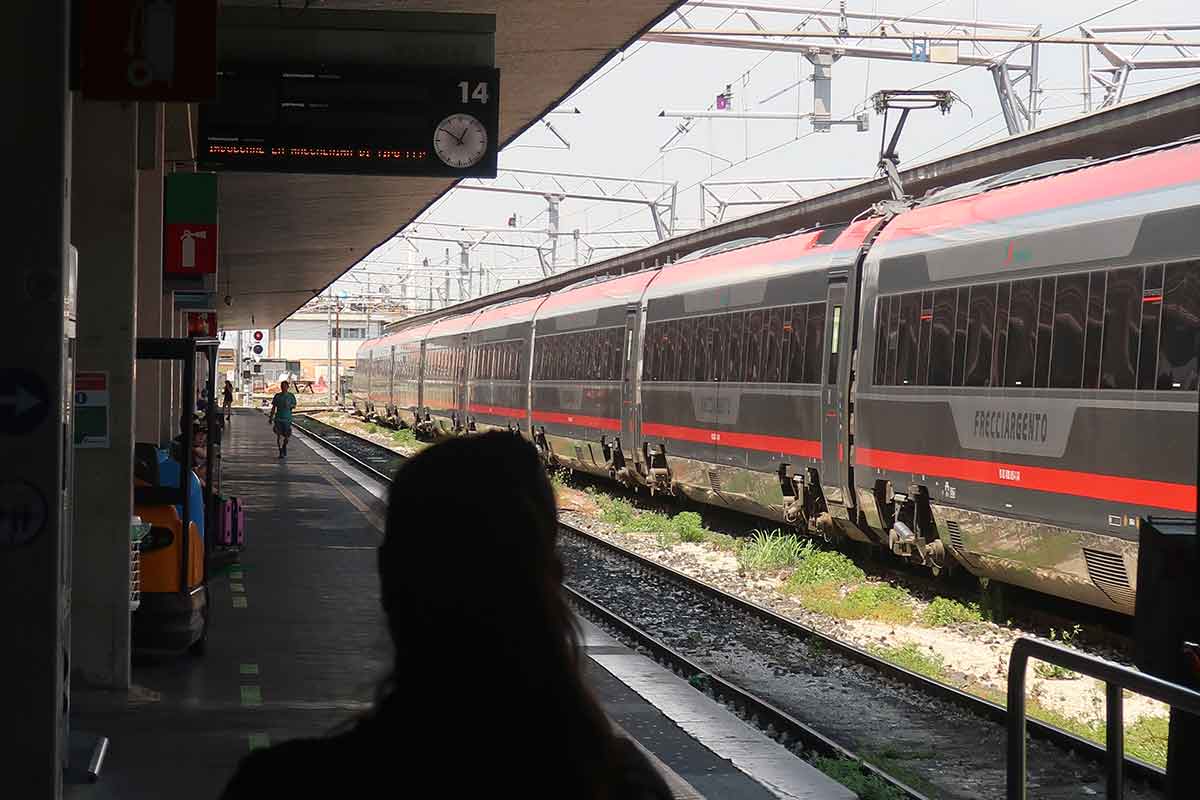
From there, you can explore the hills on foot, by bike, or by taxi or car rental with a driver (NCC in Italian). Getting between the smaller hilltop villages by public transport is very limited, so the train works best if you’re basing yourself in Conegliano.
By organised tour from Venice
The easiest option if you don’t want to think about logistics, and honestly, a good guide will get you into places you’d never find on your own. I covered some of the best tour options in this guide about Prosecco tours from Venice.
Day trip or overnight?
A day trip from Venice is absolutely possible and gives you a genuine taste of the region. But if you can stay one or two nights, do it. The pace changes completely when you’re not racing back for an evening meal in Venice.
You get to see the hills in morning light, eat a long, unhurried dinner, and actually feel like you’re in Veneto rather than passing through it.
If you need help with planning your stay in the Prosecco Hills, feel free to reach out to [email protected] or book a trip consultation with me.
Top places to visit in the Prosecco Hills
The Prosecco Hills are anchored by two main towns, but the real magic is often in the tiny villages in between.
Conegliano
Where most visitors enter the region and an underrated town in its own right. The historic centre climbs up to a medieval castle with views over the vine-covered plains, and the town itself is home to Italy’s first oenology school, founded in 1876 and still running today. Walk the arcaded main street, visit the castle and don’t miss the Sala dei Battuti inside the Scuola dei Battuti, with its extraordinary frescoed ceiling.
Valdobbiadene
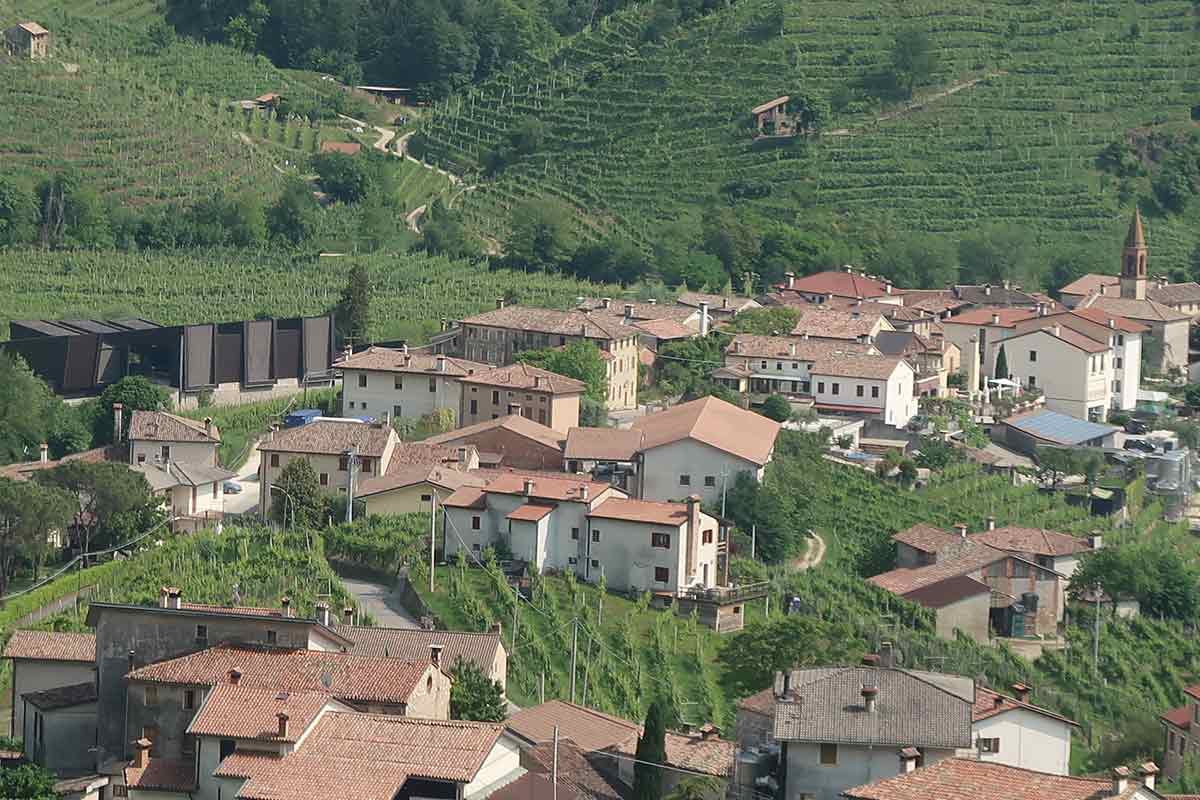
The other anchor of the DOCG zone, sitting in a natural bowl surrounded by hills that are incredibly picturesque. The town is smaller and quieter than Conegliano but has a handful of excellent producers based here, and the surrounding hamlets: Guia, Bigolino, San Pietro di Barbozza are worth exploring.
Col San Martino
One of the most photographed spots in the entire region: a tiny hilltop hamlet with a Romanesque church and views in every direction over the vine terraces. Go at golden hour if you can.
Follina
A beautiful 12th-century Cistercian abbey that looks almost too perfect: austere stone cloisters surrounded by roses. It’s an easy stop between Vittorio Veneto and Valdobbiadene.
Cartizze hill
The most prestigious single vineyard in the entire Prosecco world: a small, steep hill above Valdobbiadene where the combination of soil and microclimate produces a Prosecco Superiore di Cartizze of remarkable depth and delicacy. You can walk among the vines and see the winery names on signs posted at the end of each row.
The Molinetto della Croda
Near Refrontolo, one of the most photographed mills in Veneto: a 17th-century watermill set in a gorge, usually with wisteria cascading over the stone walls. It’s a short detour and well worth it.
Asolo
Asolo sits just to the south of the main Prosecco zone and is worth every moment of the detour. Often called “the city of a hundred horizons”, it perches on a hilltop surrounded by cypress trees and medieval walls, with views that seem to stretch half the way to Venice on a clear day. Here you can wander the arcaded streets, stop at a café on the main square, and visit the Rocca at the top for the view.
Serravalle
This is the older, more atmospheric half of Vittorio Veneto, a medieval borgo sitting at the point where the valley narrows and the hills press in from both sides. The Loggia Serravallese, a graceful Gothic portico overlooking the main square, is one of the most beautiful civic buildings in the entire Treviso province.
San Pietro di Feletto
It’s one of those places that stops you in your tracks. The Romanesque parish church called Antica Pieve has 12th-century frescoes covering its portico, visible from the road and free to see at any time. The views from the village over the vine-covered valley below are among the best in the whole Prosecco Hills area, and it’s rarely crowded.
Cison di Valmarino
It’s probably the most picture-perfect village in the entire region. The medieval fortified hamlet of Castelbrando dominates the skyline above the village which is now a luxury hotel and spa, but you can visit parts of it even without staying. The village has lovely stone houses, a small piazza, an excellent osteria, and the kind of quiet that feels genuinely earned.
You can also go on a hike along the Via dell’Acqua, which develops along the Rujo stream. Along the way, you’ll spot old washhouses, fountains, stone gutters, historic mills, and other whimsical figures carved in wood by skilled local artisans.
Prosecco Hills tours and wine tasting experiences
One of the great pleasures of visiting this region is that you don’t need a structured tour to have an extraordinary wine experience: many family producers welcome visitors simply by appointment, and some have open doors on weekend afternoons.
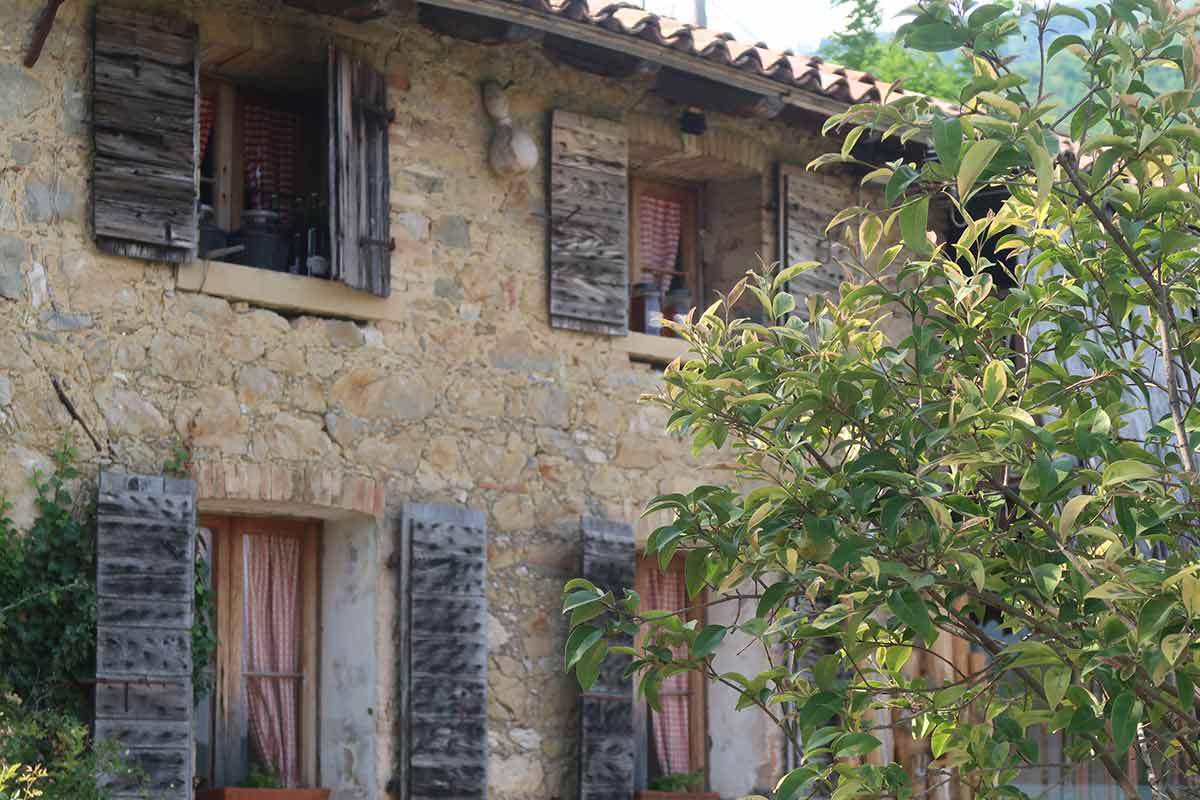
That said, a well-chosen tour will take you to places and people you’d never find by searching online.
What to look for in a tour
The best ones are small-group or private, include at least two producers (so you can compare styles), and have a guide who actually knows the winemakers personally rather than just ticking off the famous names.
A good tour will also include something to eat as I think we all agree that wines here are made for food, right? Here’s some tours from Venice I recommend.
Wine tasting on your own
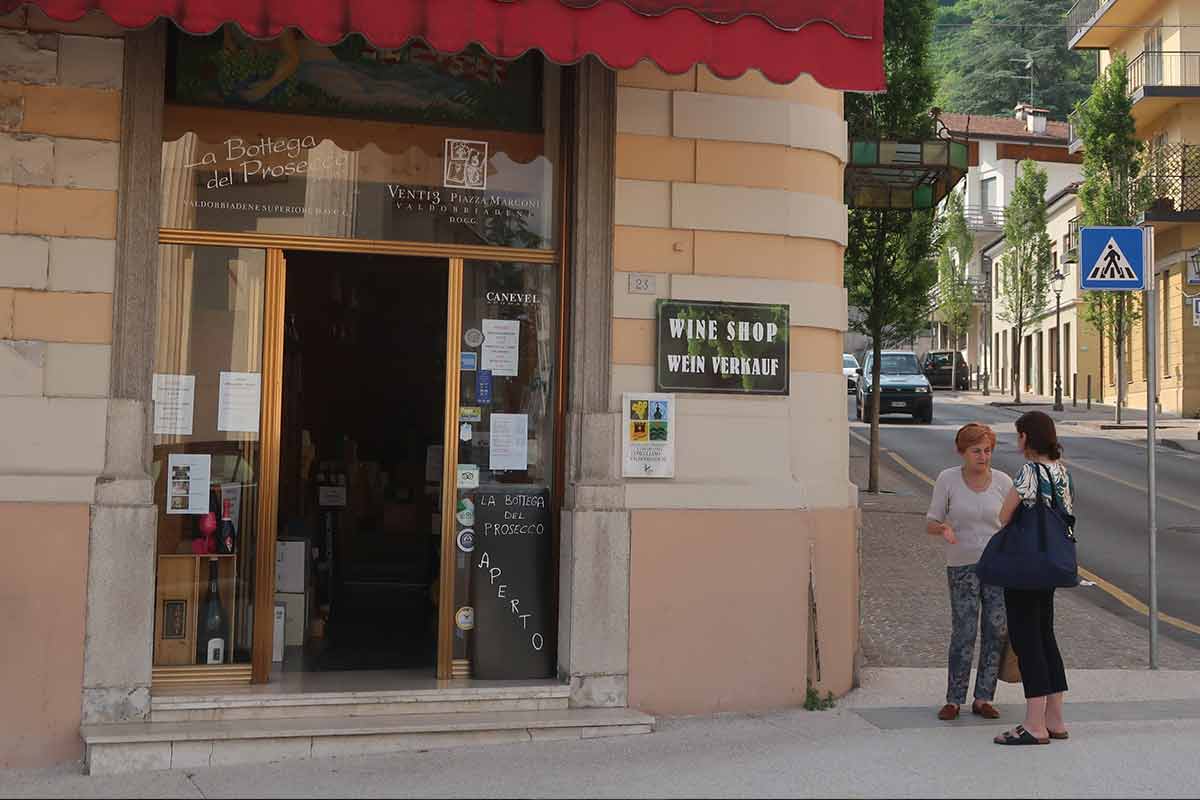
Very much possible. In Valdobbiadene especially, several producers have tasting rooms open to walk-ins, though it’s always better to call ahead. Look for the word “cantina” or the sign “vendita diretta” (direct sale): that’s an invitation.
What to taste
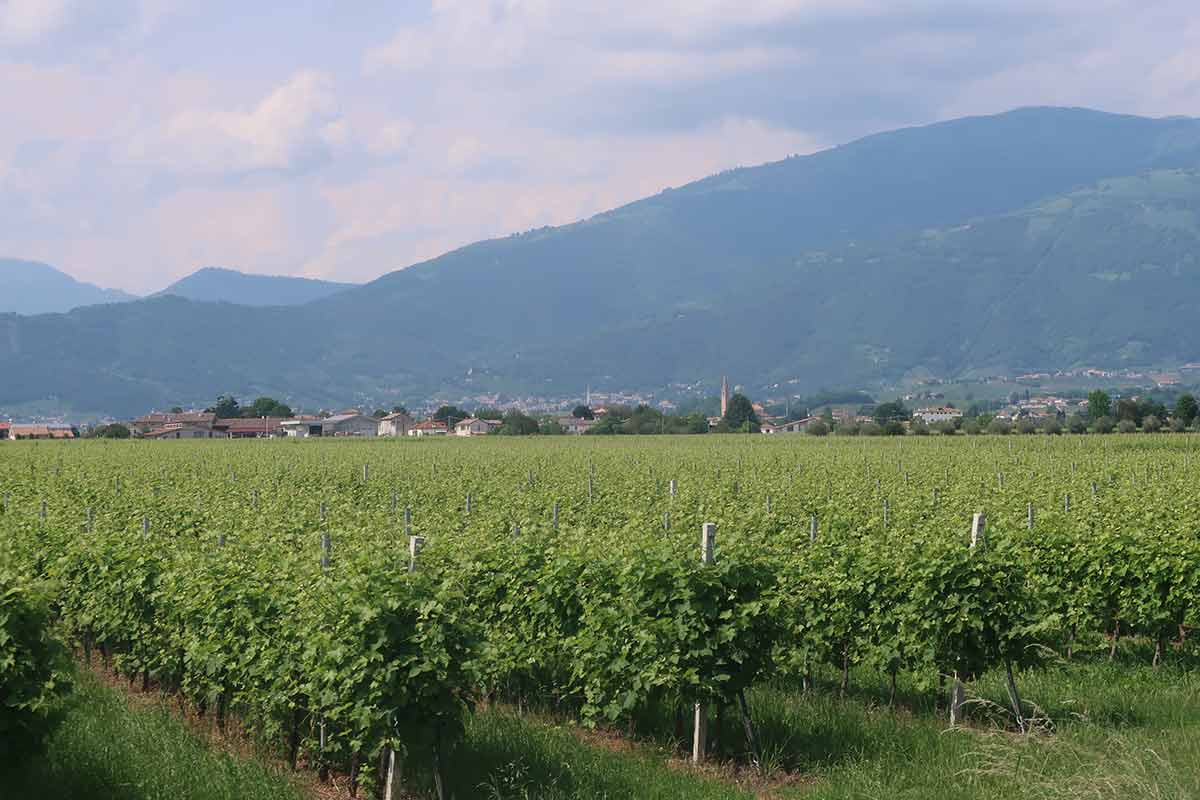
The region’s great diversity is often overlooked. Beyond the familiar Prosecco Spumante (fully sparkling), look out for:
- Prosecco Superiore DOCG — the top tier, only from the Conegliano-Valdobbiadene zone
- Rive wines — single-village or single-vineyard bottlings, named on the label
- Col Fondo (also called “sur lie”) — a lightly cloudy, naturally refermented style with a yeasty, brioche-like complexity that’s become a cult favourite
- Cartizze — the pinnacle, slightly richer and more aromatic; often off-dry
There are only a few wine makers that produce other wines that’s not Prosecco and the one I recommend visiting is Moretvini that offers a wide range of red, rose and also orange wines to taste and to buy to take back home.
If you are interested in joining one of their wine tasting experiences and test yourself on what I’m talking about, use the code MADDY10 for 10% off any experience and products.
Always book tastings ahead. Showing up unannounced is not ideal for small family estates like Moretvini.
Hiking and cycling in the Prosecco Hills
Wine aside, the Prosecco Hills are also quite famous for being a great walking and cycling territory, and the UNESCO recognition has helped fund a well-maintained network of marked trails.
Hiking
The UNESCO trail network includes a main long-distance route connecting Conegliano and Valdobbiadene (roughly 50 kilometres in total), but most visitors do it in sections.
A few highlights:
- The walk from Follina to Cison di Valmarino is one of the most rewarding half-day hikes: moderate difficulty, through vineyards and chestnut woods, with the medieval village of Cison as a destination.
- The loop above Valdobbiadene taking in Guia and the Cartizze hill is shorter (around two hours) but the views are spectacular, particularly in harvest season when the vineyard workers are active in the rows below you.
Difficulty across most trails is moderate: the hills are steep enough to feel like proper exercise, but nothing technical. Good walking shoes are more important than boots.
Cycling
The Strada del Prosecco cycling route follows the historical wine road between Conegliano and Valdobbiadene, passing through most of the key villages.
It’s beautiful but hilly and I’d strongly recommend an e-bike unless you’re a confident cyclist with solid legs. E-bikes can be hired in both Conegliano and Valdobbiadene.
The best cycling strategy is a point-to-point ride (one direction, downhill where possible) with stops at cantine along the way. Plan around 25–30 kilometres for a comfortable half-day ride with stops. Start early, before the sun gets high in summer, and always end at a cantina.
Where to stay in the Prosecco Hills
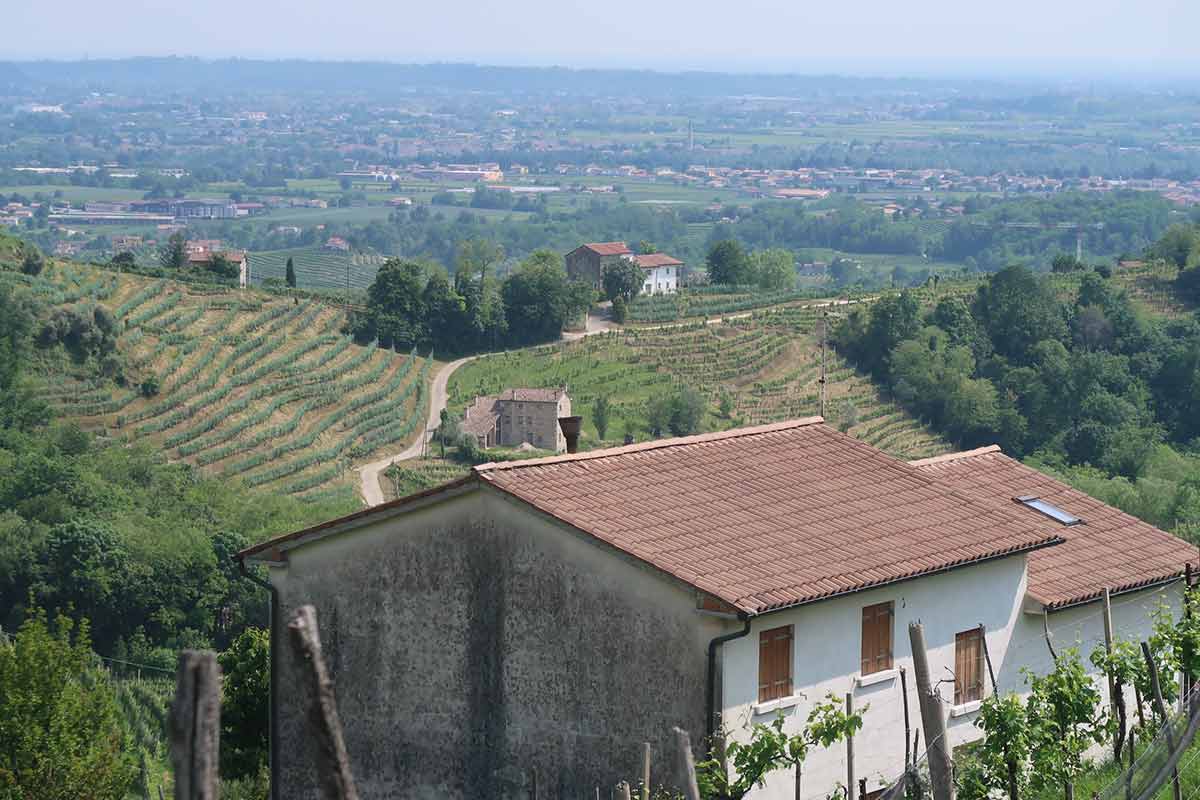
If you’re going to stay a night or two in the Prosecco Hills, and I really do encourage you to, then there is one type of accommodation that stands above all others: the agriturismo.
Agriturismo: the standout experience
In Italy, an agriturismo is a working farm or vineyard that also offers accommodation and, usually, meals made from what they produce.
In the Prosecco Hills, that typically means waking up on a working wine estate, stepping outside to a view of vines, and sitting down to a breakfast with the family’s own grown fresh produce on the table.
It’s one of the most genuinely Italian travel experiences you can have, and in this region it’s accessible at a range of budgets.
Here’s my recommended ones:
- Agriturismo due Carpini – Valdobbiadene
- La Ghiandaia Farmhouse – Conegliano
- Villa Clementina – Prosecco Country Hotel – San Pietro di Feletto
The agriturismos here are typically small, often just a handful of rooms, so booking well ahead is essential, particularly for harvest season. Most include breakfast and some offer dinner, which is worth taking when it’s on offer: the food is usually exceptional and as I have already mentioned, deeply local.
Other options
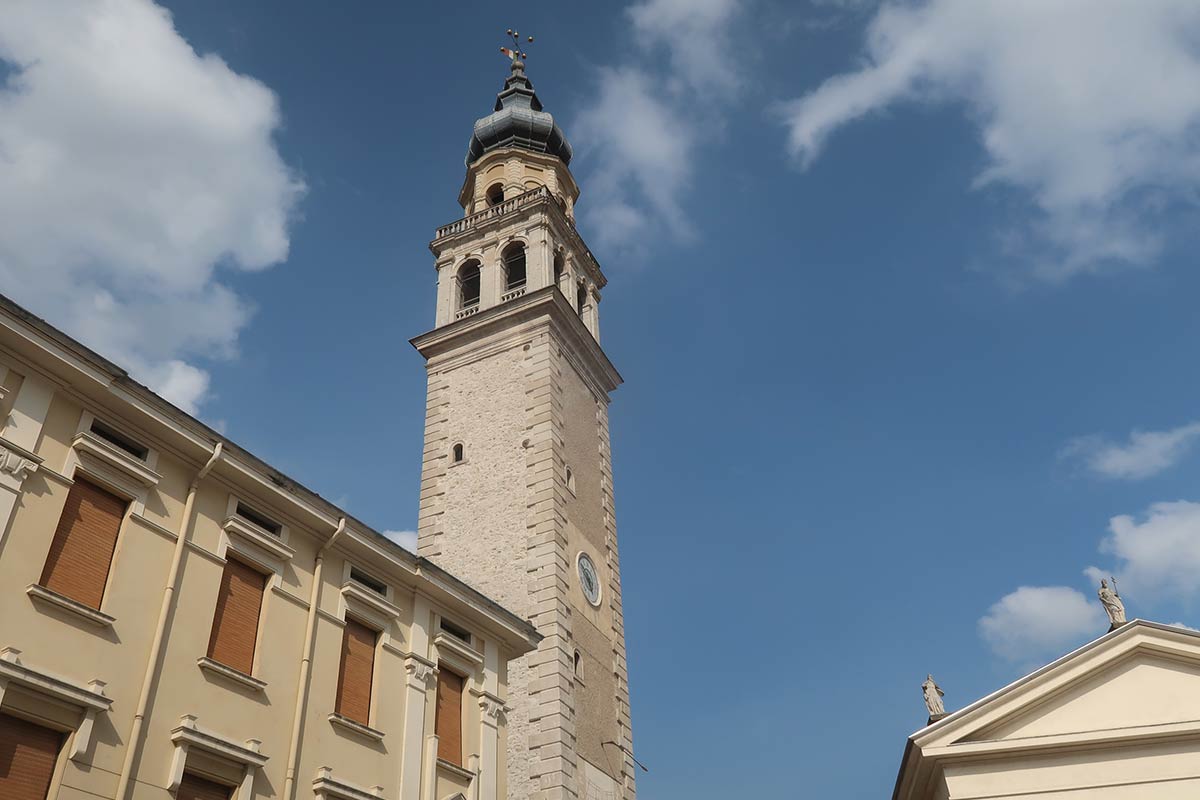
If you prefer a bit more independence, both Conegliano and Valdobbiadene have a selection of B&Bs and small hotels in the town centres. Conegliano in particular has a good choice and is probably the most practical base if you want to combine the hills with the train connection back to Venice.
Here’s some of my hotel recommendations:
- Hotel Canon d’Oro – Conegliano
- Boutique Hotel Municipio 1815 – Valdobbiadene
- Tenuta Sant’Eufemia – San Pietro di Feletto
Budget guidance
Expect to pay roughly €70–€130 per night for a double room at an agriturismo (often including breakfast), and €60–€100 at a town B&B or small hotel. Prices rise during harvest season and summer weekends.
One practical tip: wherever you stay, ask your hosts for their own producer recommendations before you head out each day. The best cantine in this region are rarely the ones with a website.
Where to eat in the Prosecco Hills
The food in this part of the Veneto region is not as well known as it deserves to be, and that is entirely to the advantage of anyone visiting. You’ll eat very well here, at prices that feel almost embarrassingly reasonable compared to Venice.
Local products to look out for
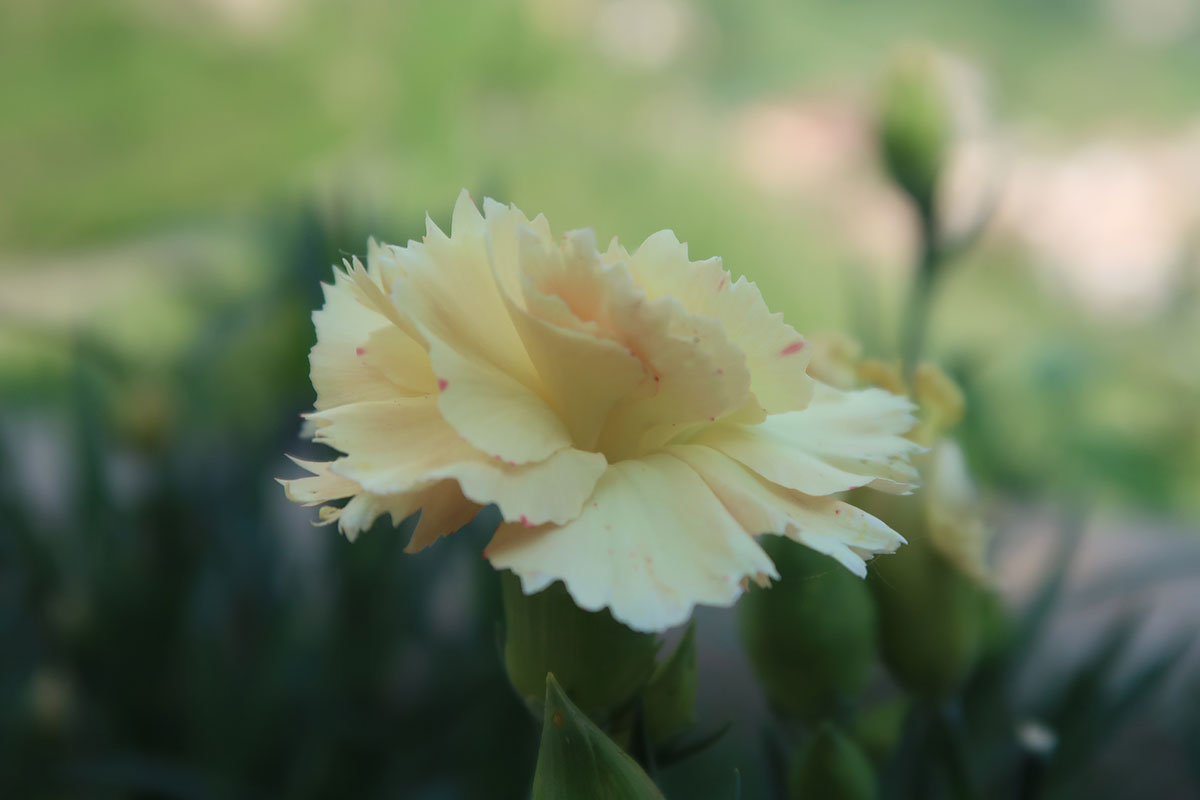
- Soprèssa Trevigiana — the local cured sausage: large, soft and gently spiced, served sliced thick with polenta or bread and a glass of something cold and fizzy.
- Radicchio di Treviso — the elegant, elongated variety, bitter and beautiful, usually grilled or used in risotto (best in season, November to February)
- Bigoli — thick, rough-textured local pasta, traditionally served with duck ragù or a butter and anchovy sauce
- Funghi porcini — especially in autumn, risotto ai funghi made with mushrooms picked on the surrounding hillsides
- Cheese is taken seriously in this corner of the Veneto region, and one name stands above the rest: Perenzin Latteria in San Pietro di Feletto, a family dairy that has been producing cheese in the Treviso hills since 1898. They make an extraordinary range, from fresh Asiago to aged mountain cheeses and flavoured varieties, and the caseificio is open for visits and tasting.
- Combai chestnuts deserve their own mention. The village of Combai, tucked into the hills above Valdobbiadene, is surrounded by centuries-old chestnut groves and holds one of the most beloved autumn sagre (food festivals) in the Veneto region: the Festa del Marrone, usually in October.
- Wild herbs and foraged greens are a genuinely local seasonal pleasure that most visitors don’t know to look for. In spring, roughly March through May, the hills yield rosoline e gli s-ciopeti (wild poppies and bladder campion shoots) and bruscandoi (wild hop shoots), both of which turn up in risotto, frittate and pasta dishes at the better osterie. If you see them on a menu, order them.
- Honey. The diversity of wildflowers and chestnut blossoms in the area produces honeys of real character, particularly the acacia and chestnut varieties. Small-batch producers sell direct from the farm; ask at your agriturismo or look for “miele locale” at the village markets.
- Extra virgin olive oil might surprise you this far north, but Veneto has a small but serious olive oil tradition, particularly in the hills around Vittorio Veneto and along the Piave valley.
Where to find the best meals
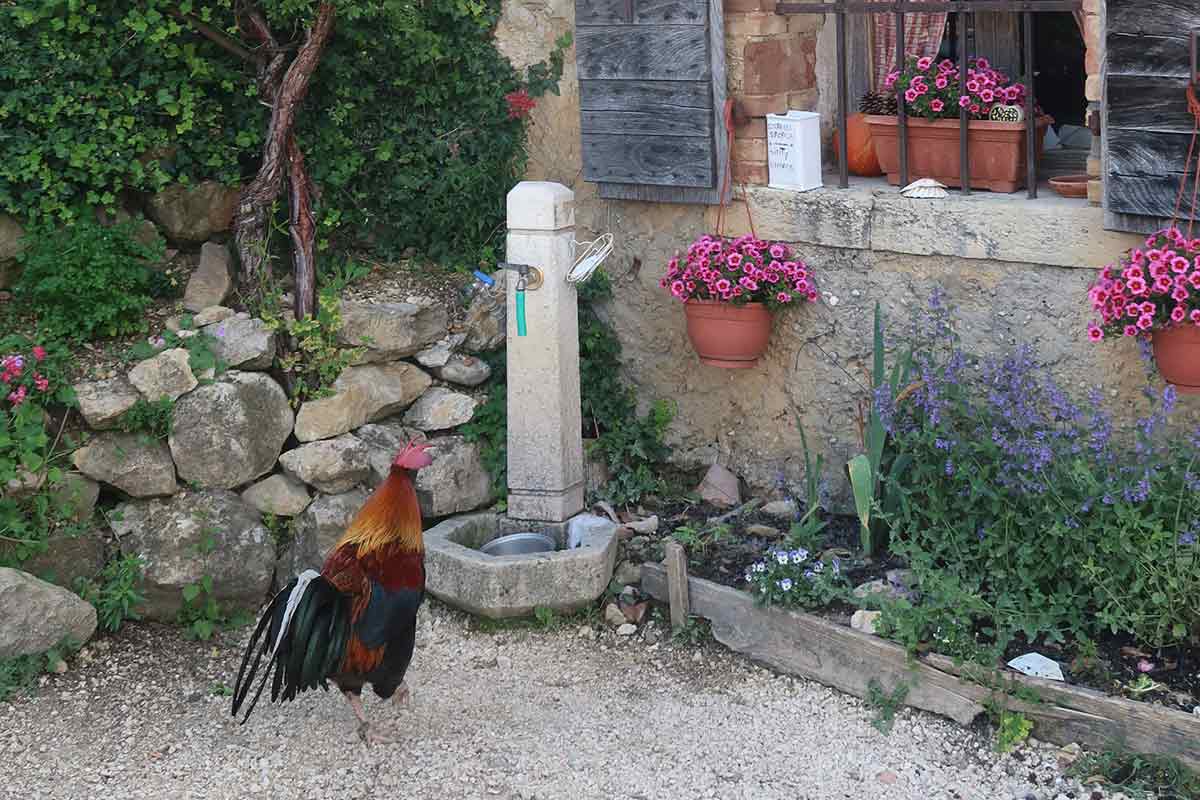
The best eating in the Prosecco Hills happens at osterie and trattorie: informal, family-run places with short menus and serious cooking.
Look for places where the menu changes with the season and where the wine list is local. If there’s a special board, order from it.
Many agriturismos offer evening meals to guests, and these are often the best meals of a stay in the region. Ring ahead and book, they’re usually preparing everything from scratch and need to know numbers.
In Conegliano, the town centre has several good restaurants and the choice is wider than in the smaller villages. In Valdobbiadene, the smaller osterie in the surrounding hamlets often outperform the town options. A glass of Prosecco for €2–3 at a local bar is not unusual. This is where the wine is made, after all.
A word on timing: Italians eat lunch between 12:30 and 2pm and dinner from 7:30pm. Many osterie do not serve outside these windows, and some close entirely on Monday or Tuesday. It’s always worth calling ahead or checking their website (if they have one!).
Other things to do in the Prosecco Hills
Wine and walking are the obvious draws, but the hills have more to offer than most visitors realise. Here are some experiences worth adding to your itinerary, especially if you’re staying more than a day or travelling with people who aren’t wine obsessives.
Cheese tasting experience
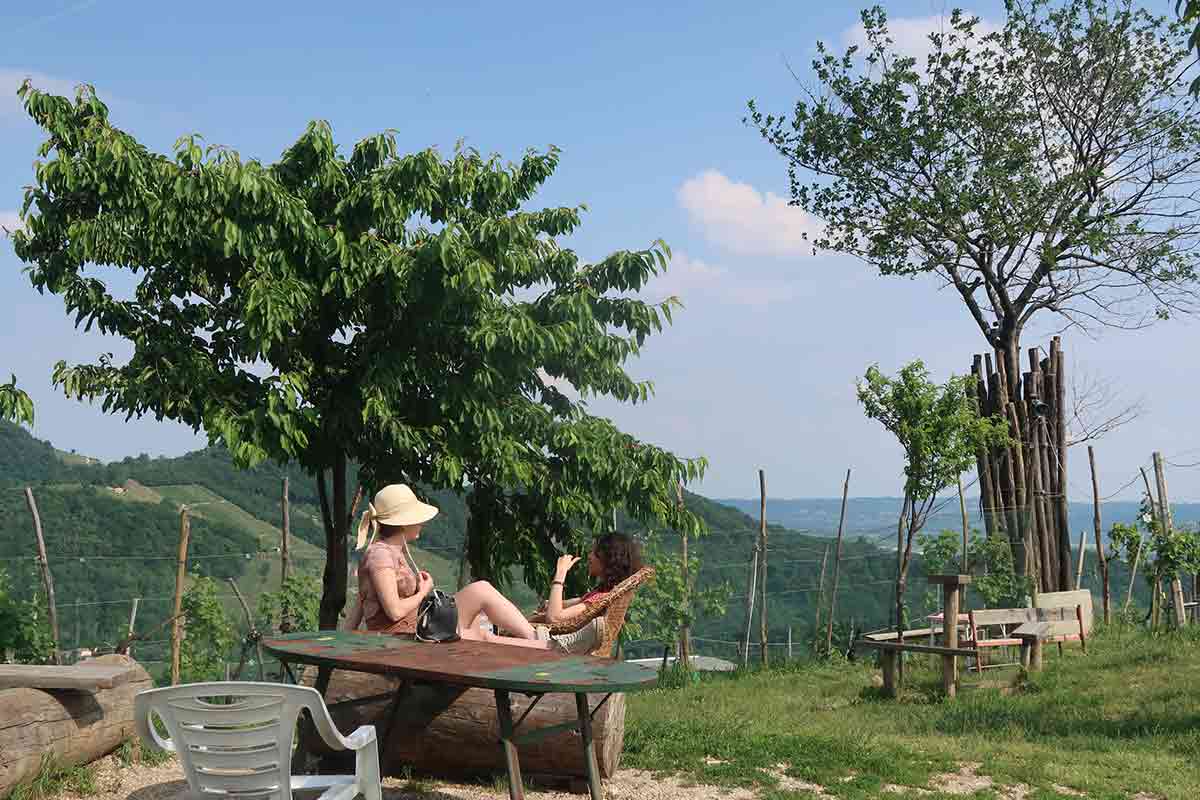
A visit to PerPerenzin Cheese Bar & Bottega in San Pietro di Feletto is one of the most genuinely local experiences you can have in the region.
The family dairy offers guided tour of the Cheese Museum and cheese tastings that take you through their range — aged cheeses, fresh varieties, seasonal specials — with wine pairings that make obvious, delicious sense. It’s the kind of experience that turns a mild interest in cheese into something more serious. Book in advance through their website.
You can use the code MADDY10 to get 10% off any cheese tasting experience on their website. Or, you can book the experience here as a tour package.
Vespa or Fiat 500 ride through the vineyards
Exploring the wine roads on a vintage Vespa or a Fiat 500 is as romantic but also adventurous as it sounds. Several operators offer half-day and full-day Vespa tours or on a Fiat 500 through the vine terraces, with stops for a picnic or to sip some Prosecco and panoramic viewpoints. You don’t need a motorbike licence for a small-engine model in Italy (check current regulations before you go), and most operators provide helmets, a route map and a safety briefing. It’s one of the best ways to cover ground between villages while actually enjoying the journey.
Spa and wellness
The fortified hamlet of Castelbrando in Cison di Valmarino has been converted into a luxury hotel and spa complex, and its wellness facilities are open to non-residents for day visits. If you’re looking for a more immersive wellness escape, several agriturismos and hotels like the Hotel San Giacomo in the area have spa facilities, worth checking when you book.
Cooking class
A hands-on cooking class with a local family or chef is one of the best ways to understand the food culture of the Veneto region from the inside. Classes in the Prosecco Hills typically focus on regional pasta (bigoli, of course), seasonal vegetable dishes, and the kind of simple, ingredient-led cooking that makes the local food so satisfying.
Some agriturismos offer this as part of a longer stay; standalone classes can be booked through local operators and typically run for half a day, finishing with lunch and, naturally, Prosecco.
Practical tips for visiting the Prosecco Hills
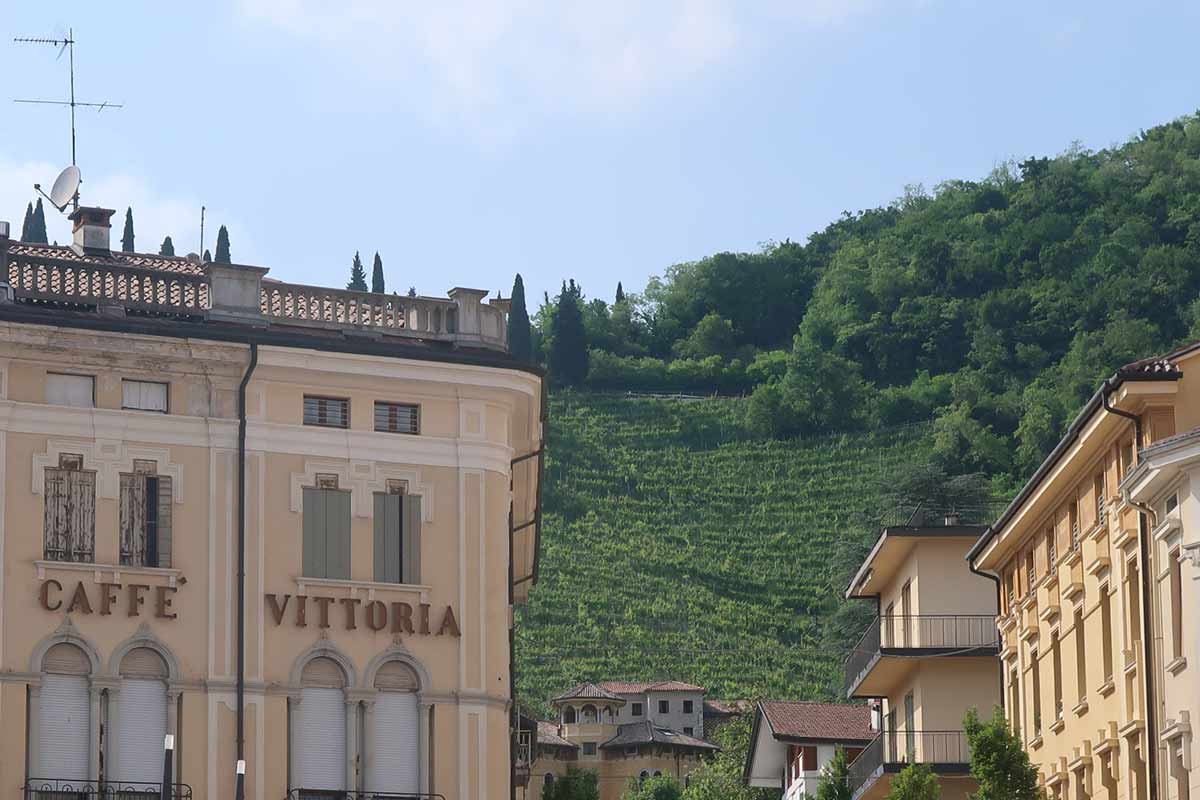
- How many days? One full day gives you a real taste. Two days is ideal. Three lets you properly slow down.
- Getting around without a car: possible but limited. Train to Conegliano, then e-bike, taxi or guided tour. Village-hopping by bus is genuinely difficult.
- Cash vs card: larger producers and restaurants are increasingly card-friendly, but for small purchases, village bars and shops still prefer cash.
- English: widely spoken at wine tourism businesses in the main towns; less so in smaller villages and family estates. A few words of Italian go a very long way. Other languages might be spoken in touristy places and wine estates.
- What to bring back: ask for Rive wines (single-village bottlings) and Col Fondo if you want something you won’t find at home. Any wine coming from an estate that has this label “Vignaioli indipendenti”. Many producers will ship via this company called WayToGo.
- Maps and apps: stradadelprosecco.it has downloadable trail maps. Komoot for cycling. prosecco.it for producer research.
FAQs: Frequently asked questions
Here are some FAQs on visiting the Prosecco Hills:
The Prosecco Hills: why you should go
The Prosecco Hills are one of those places that stays with you. Not because of any single landmark or experience, but because of the many small things.
For example: a glass poured by a winemaker who also made the label on the bottle herself, a view from a ridge that goes all the way to the Dolomites on a clear day, a lunch that lasted three hours because nobody wanted it to end.
If you’re planning a trip to Venice and wondering whether to add a day (or more) in the hills, wonder no more. Visit the Prosecco Hills.
📌 Like this guide? Tap to Pin it…
If you found this Venice travel guide helpful, feel free to buy me a virtual coffee here.
“Dear traveller! Some links in this post contain affiliate links. Meaning, if you click through and make a tour booking or reserve a hotel, I may earn a small commission at no additional cost to you. Your support means a lot to me and helps me to keep creating and maintaining the quality of this site for you.”


