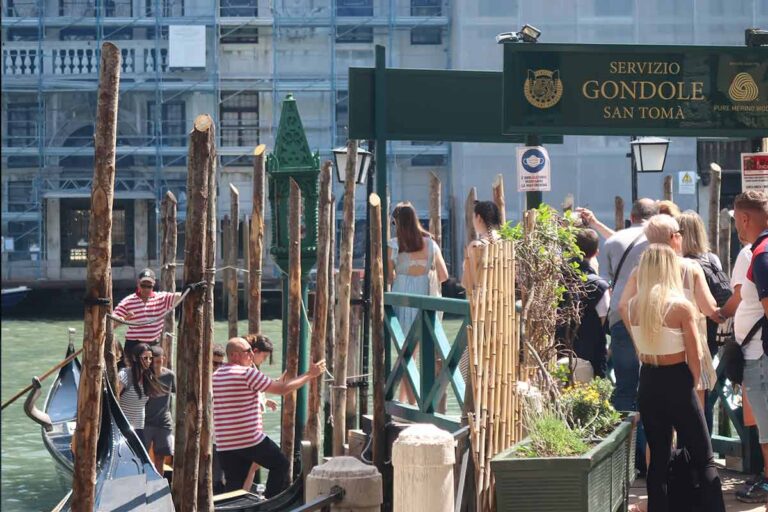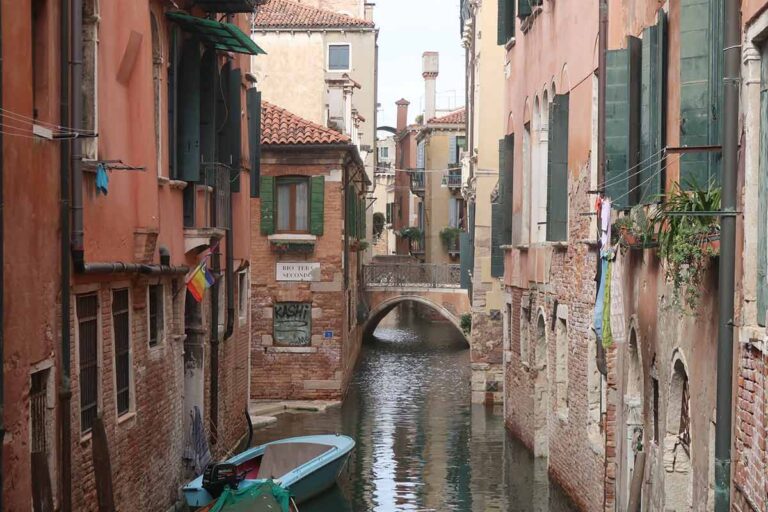
Venice is compact, beautiful, and one of the most visited cities in Europe — which means certain areas are consistently overcrowded.
While these places are famous for a reason, they can quickly become overwhelming, especially during peak seasons.
When we talk about areas to avoid in Venice, it doesn’t mean you should never see them. Instead, it means not basing your entire trip around zones dominated by crowds, inflated prices, and tourist-focused businesses.
Why knowing the crowded areas in Venice matters
Spending more time than necessary in the busiest parts of the city can easily take away from your experience and leave you with the wrong impression of Venice.
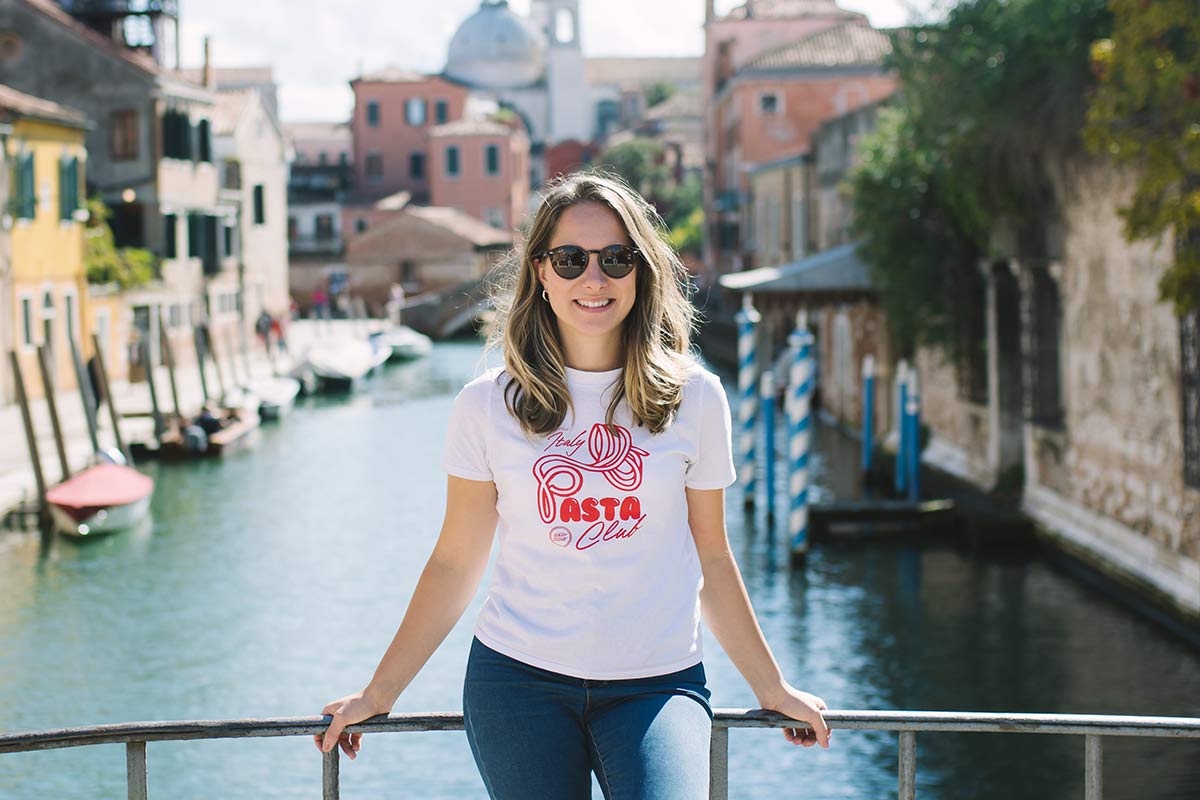
The goal of this guide is simple: help you experience Venice beyond the busiest areas so you can enjoy quieter streets, better food, and a more authentic sense of the city.
If you’re new around here, my name is Maddy, and I’m from Castelfranco. I offer trip consultations and AMA calls where you can ask me your questions about Venice.
🔒 Click Here to Unlock My Top Travel Resources
1. San Marco Square and surrounding streets: Venice’s most crowded area
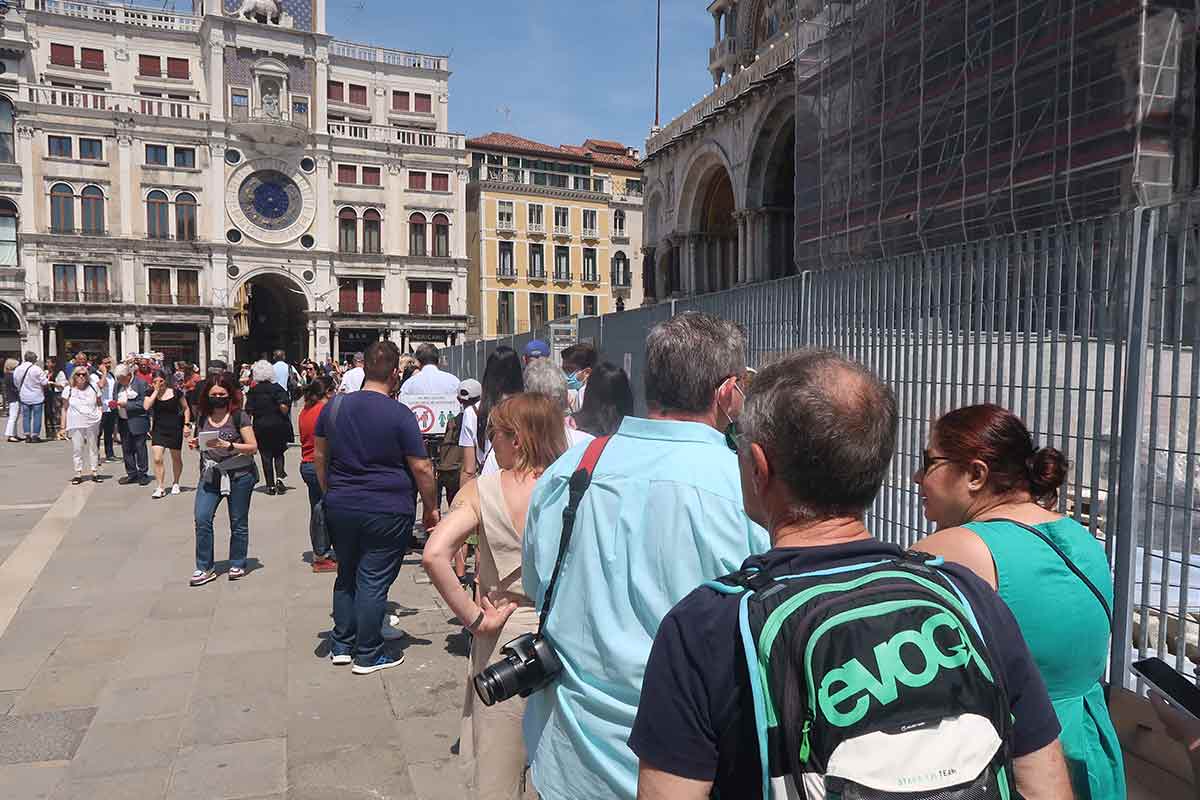
San Marco Square is the most famous, and most crowded, place in Venice. At almost any time of year, it’s packed with visitors heading to St Mark’s Basilica, the Doge’s Palace, and the Campanile.
The surrounding streets are filled with tourist-oriented cafés, souvenir shops, and restaurants with inflated prices. While the architecture is spectacular, it can get overwhelming with all the crowds.
Better alternatives:
- Visit quieter campi like Campo Santo Stefano, and neighbourhood churches nearby, like the impressive Church of San Zaccaria and the flooding crypt.
- Explore areas like Castello or Dorsoduro, which are just 10 minutes walk away from the square, for a more relaxed atmosphere.
- For panoramic views, head to San Giorgio Maggiore, which offers one of the best viewpoints in Venice without the crowds.
2. The Rialto Bridge area: a major Venice tourist trap
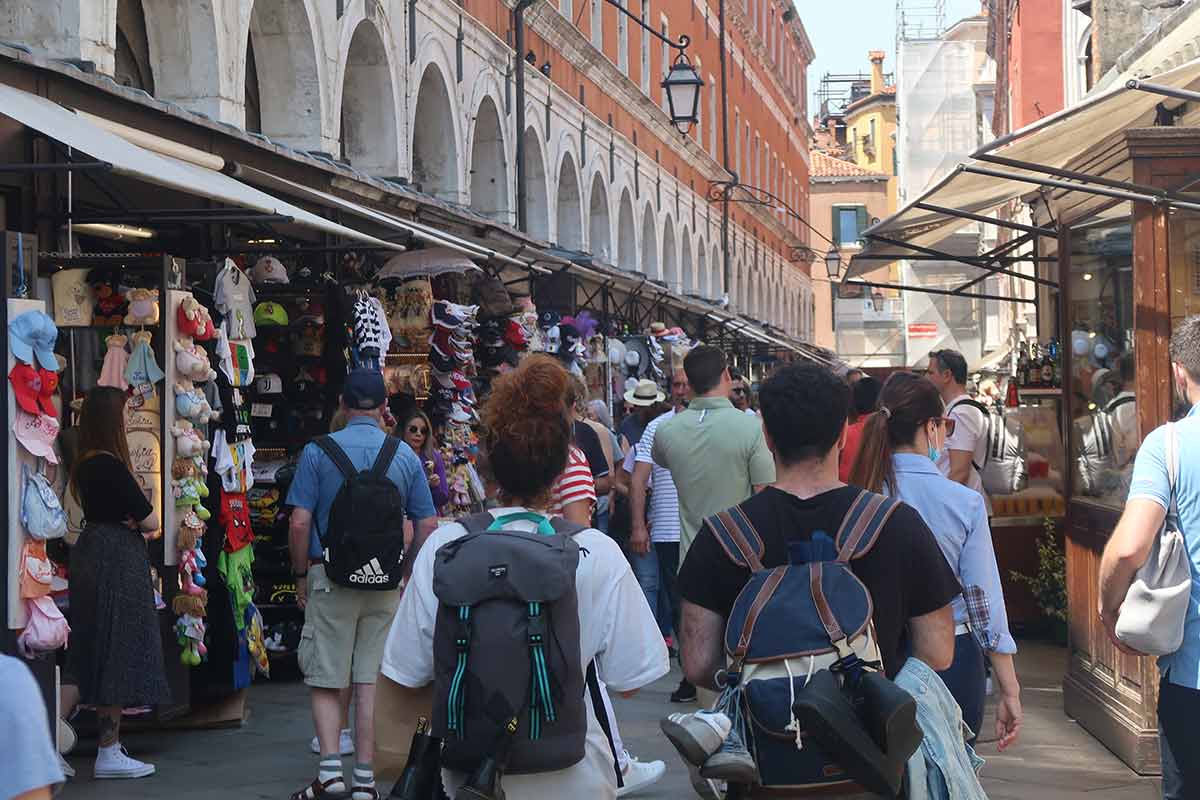
The Rialto Bridge is an iconic landmark, but it’s also a constant bottleneck. The narrow streets leading to it are among the most congested in the city, especially late morning through afternoon.
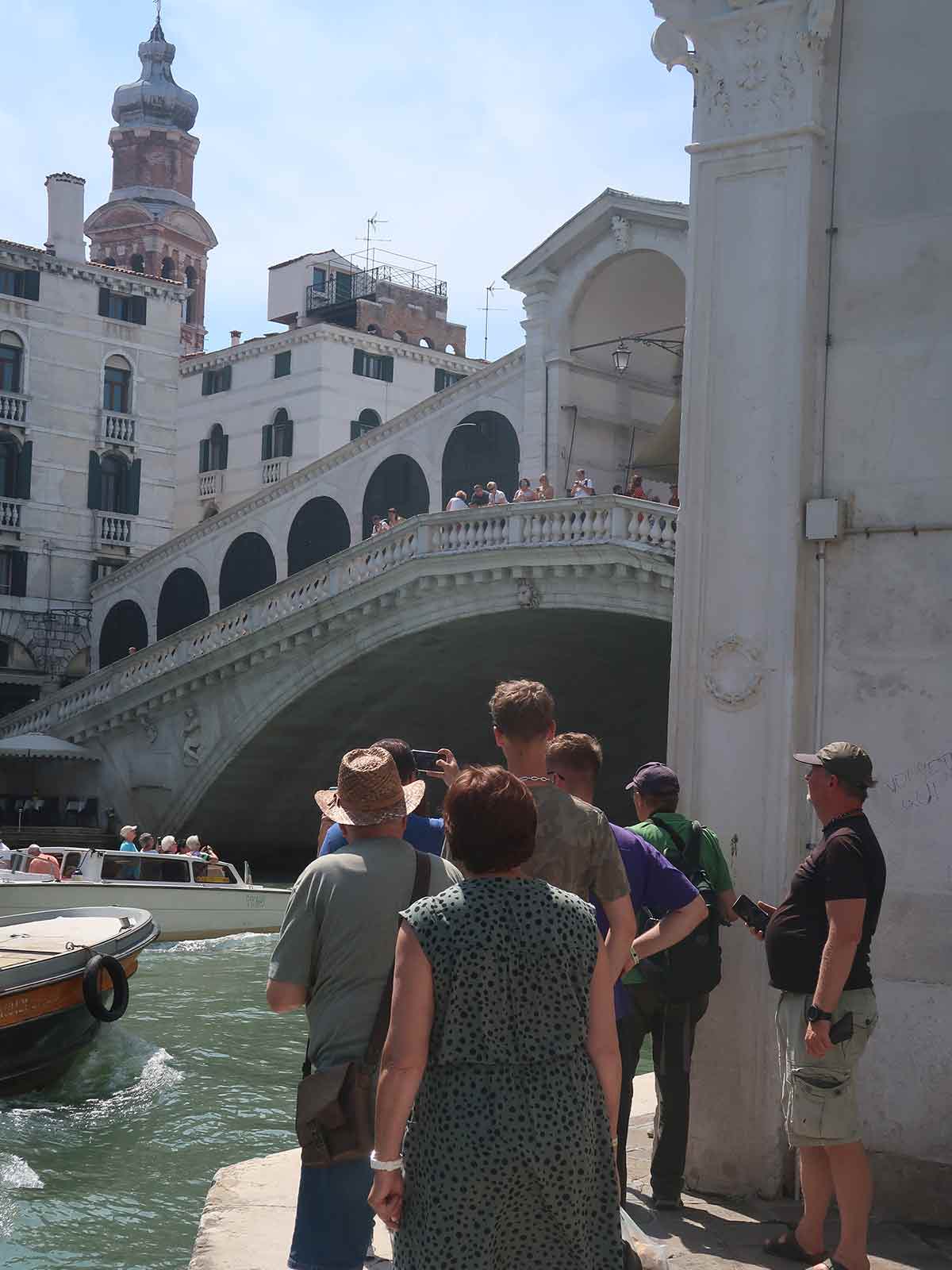
Many nearby shops sell mass-produced souvenirs, and restaurants often rely on aggressive tourist menus rather than quality food.
How to enjoy Rialto without the stress:
- Visit the Rialto Market early in the morning, when locals are shopping and crowds are minimal.
- Wander the backstreets of San Polo instead of sticking to the main routes.
- Use this guide on what souvenirs to buy in Venice to avoid low-quality purchases.
3. The San Marco > Rialto > Accademia route: Venice’s busiest walking corridor
This main tourist corridor funnels a huge percentage of visitors through the same streets. Between mid-morning and late afternoon, it becomes one of the most crowded areas in Venice.
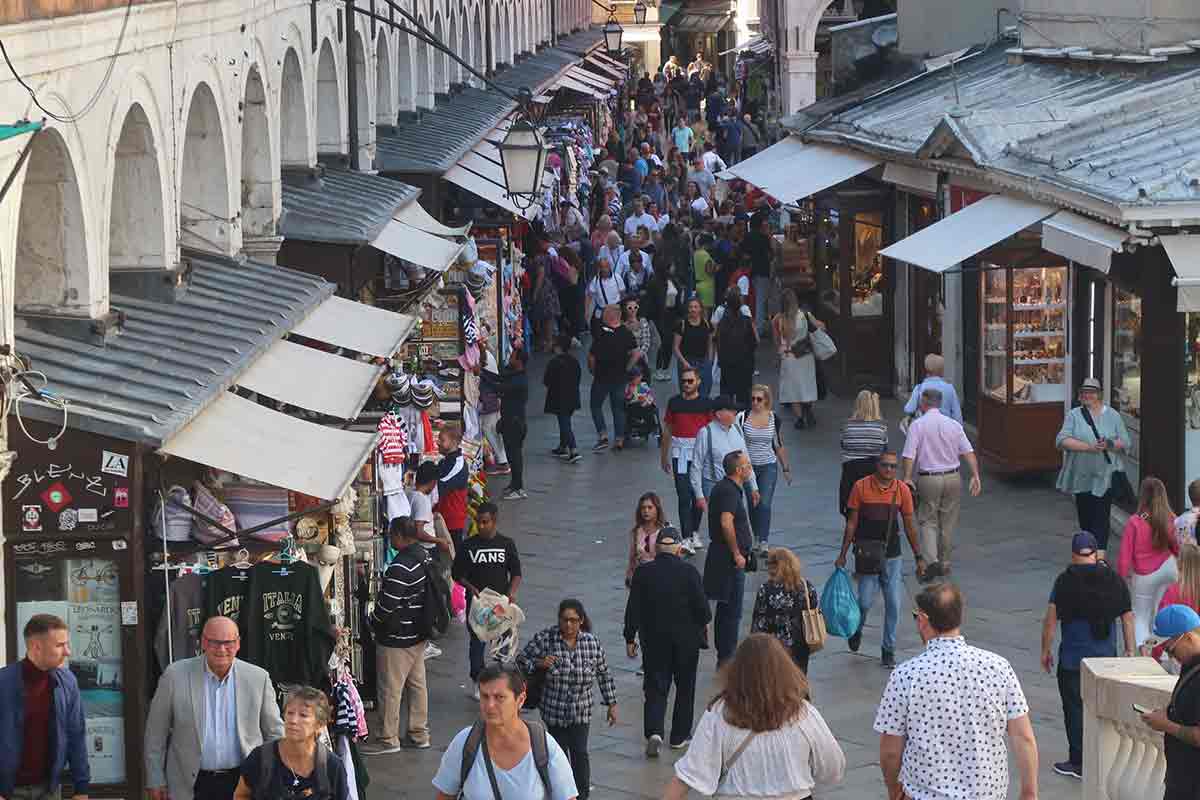
Walking this route can feel slow and frustrating, especially during high season or weekends.
Other major tourist corridors:
- Strada Nuova, running through Cannaregio from the train station, is another heavily used route. While practical for getting around, it’s lined with chain stores, busy vaporetto stops, and constant foot traffic, making it one of the noisiest streets in the city.
- Riva degli Schiavoni, the long waterfront promenade near San Marco, is popular for its views but becomes particularly congested during the day, especially when boat tour passengers are in the city.
What to do instead:
- Take parallel backstreets, which are often quieter and more atmospheric.
- Explore other sestieri entirely, such as Cannaregio, Santa Croce, or quieter parts of Dorsoduro. Don’t know where to start? You can use my neighbourhood guides and maps that I created to help you explore beyond the touristy path and discover the real Venice.
- Join a private or small group tour of lesser beaten areas of the city, such as this Off the Beaten Track Private City Tour.
4. Restaurants near major attractions: where not to eat in Venice
Restaurants located directly next to major attractions are often among the worst in Venice. Proximity to landmarks usually means higher prices, lower quality, and a menu designed for tourists rather than locals.
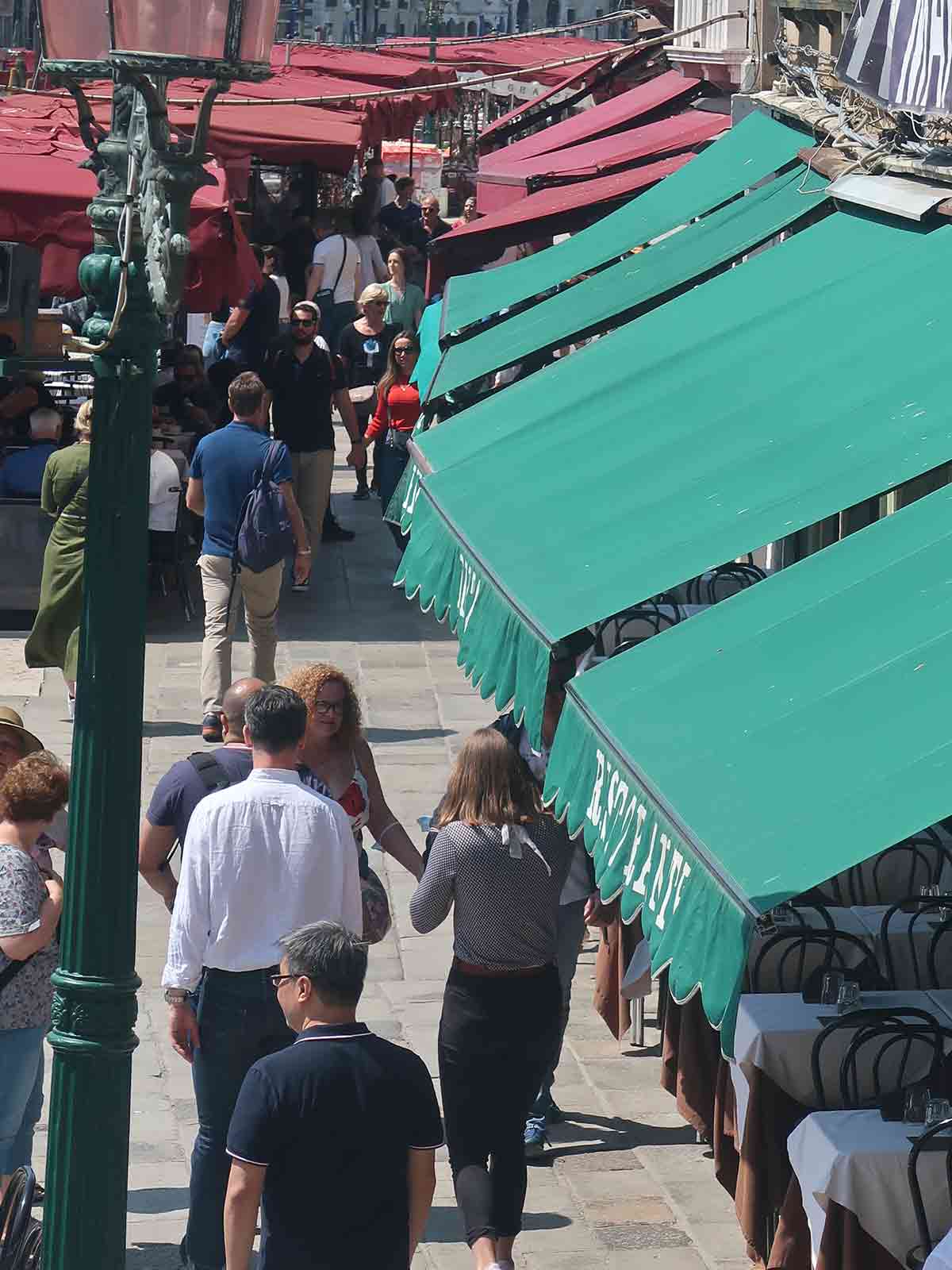
Red flags include photo menus, multilingual signage, and staff actively calling people inside.
Where to eat instead:
- Walk just a few streets away from major sights.
- Look for small bacari, trattorie and osterie. If you need some direction, check out my favourite traditional restaurants in Venice and the Best Bacari in Venice map. On these 2 maps, I pinned all my favourite food spots in the city.
- Get to know Venetian cuisine and what you should absolutely try in Venice.
Here are some useful resources:
5. Busy Vaporetto routes at peak hours: when to avoid Venice water buses
Venice’s vaporetto system is essential for getting around, but some routes become packed at certain times of day.

The busiest lines are those that serve the most scenic routes and popular islands, particularly from late morning through the afternoon.
The Grand Canal vaporetto lines, especially Line 1 and Line 2, are among the most crowded. Line 1 stops at nearly every stop along the canal and is often treated like a sightseeing cruise. Line 2 is faster, but it also fills up quickly, especially between San Marco, Rialto, and Accademia.
Island routes are another pressure point. Line 12, which connects Venice to Murano and Burano, becomes especially busy from mid-morning onwards, with long queues forming at each stop in peak season.
Overcrowded vaporetti don’t just affect visitors. They also make daily travel more difficult for residents, workers, and students who rely on public transport.
🧳 Need luggage storage in Venice? Bounce makes it quick and safe. Don’t haul your bags around, see how you can store your luggage securely before you arrive.
Smarter transport tips:
- Travel early in the morning or later in the evening.
- See my Venice transport mistakes to avoid common pitfalls.
- If you want to experience the Grand Canal, consider riding Line 1 outside peak hours rather than in the middle of the day.
- Use less obvious routes and stops. Find out more about using this service and download the route map featured in my water bus in Venice guide.
6. Tourist shopping streets: where not to shop in Venice
Some of Venice’s busiest streets are lined almost entirely with souvenir shops selling the same mass-produced items. These include cheap masks, magnets, glass labelled as “made in Murano” but made elsewhere, and generic gifts that have little connection to the city.

The products are often imported, prices are inflated, and very little of the money spent here stays within Venice’s local economy. While they may be convenient, they don’t reflect the city’s long tradition of craftsmanship.
A better way to shop in Venice:
- Look for artisan workshops that clearly state where and how items are made. Areas such as Dorsoduro, Castello, and parts of Cannaregio still have small, independent makers. I pinned some of my favourites in the Venice Unlocked Map.
- Visit small local shops, where you’ll find a Venetian born owner or someone that over the years, learnt the art of making masks, carving the wood, or blow the glass, for example.
- Choose independent bookshops, food stores, and specialist boutiques over souvenir chains. These businesses are more likely to be locally owned and rooted in the city.
- When buying glass, textiles, or masks, take a moment to check the origin and authenticity and avoid items that feel mass-produced or suspiciously cheap.
There’s a lot to learn before going to Venice to avoid tourist traps and make mistakes with your time and money.
For this reason, I offer trip consultations that can help give a clear structure to your itinerary and add authentic local spots to it.
7. Day tripper hotspots: Venice areas overcrowded during the day
Certain areas of Venice, particularly San Marco and Rialto, are subject to large crowds during the day. Historically, large numbers of cruise passengers contributed heavily to this congestion.
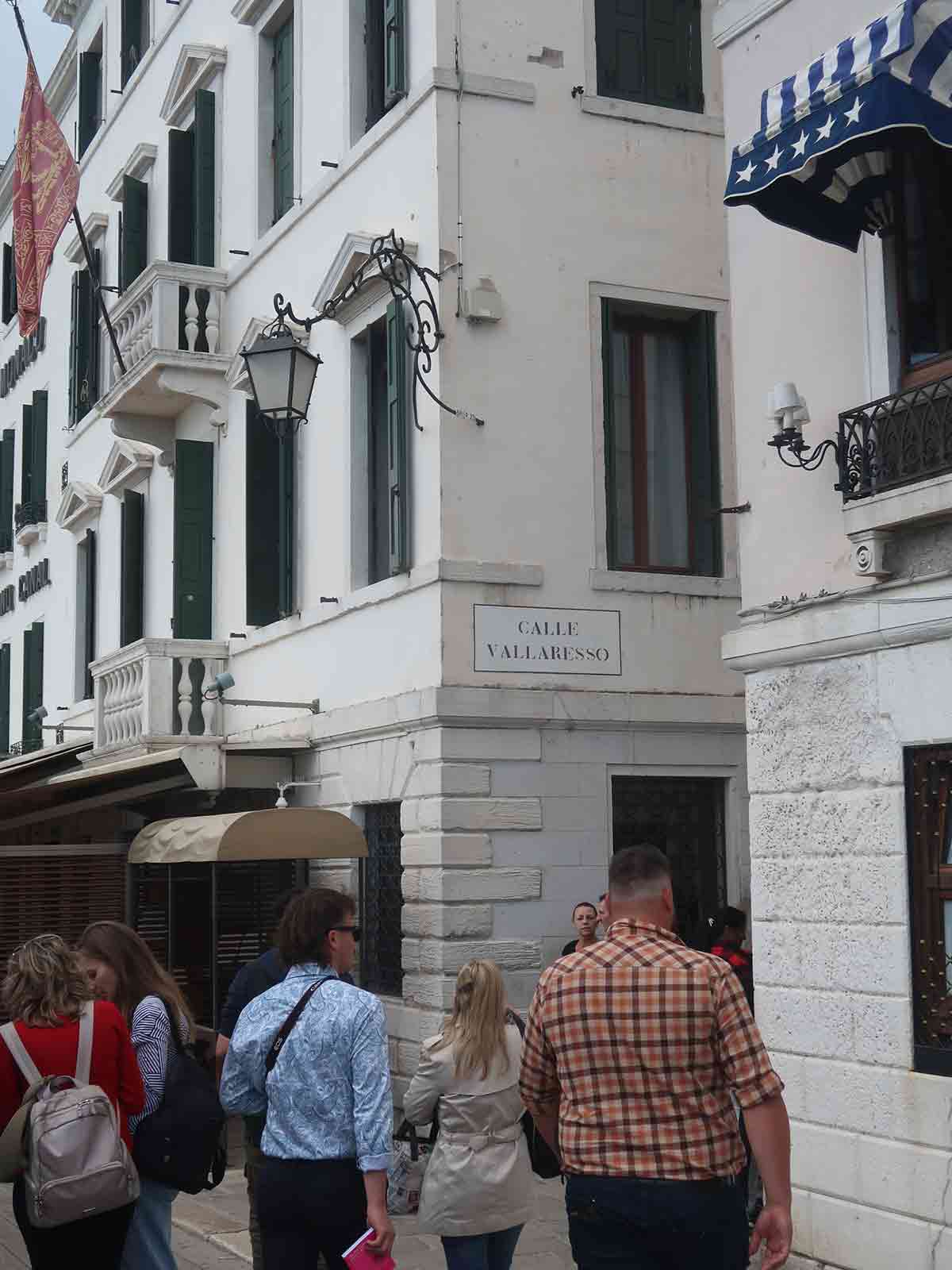
Since the main cruise ports were moved to Marghera, Trieste, and Ravenna, cruise-related pressure has decreased, but day-trippers still arrive in large numbers on weekends and during major events.
Annual events such as Carnival, Redentore, the Biennale, and Film Festival bring thousands of visitors into the city, creating temporary hotspots.
Even outside these events, weekends attract many short-stay visitors from the mainland, who come for a few hours rather than staying overnight. These day-tripper peaks can make walking through popular streets slow and tiring.
This is one of the reasons why the Venice entry fee was introduced in 2024: to manage visitor numbers and encourage more sustainable tourism.
How to avoid the worst of it:
- Stay overnight whenever possible. Early mornings and late evenings are far quieter, allowing you to experience Venice more authentically.
- Explore districts that are less affected by short-term visitors, such as Giudecca, Castello (away from San Marco), and Santa Croce. These areas offer canalside cafés, local shops, and streets where daily Venetian life is still visible.
- If visiting during major events, plan your route carefully and avoid the main tourist corridors during peak hours. Small detours can make a big difference.
- Consider starting your day early to see landmarks before crowds arrive, or enjoy evening walks when most day-trippers have already left.
How to enjoy Venice beyond the tourist traps
Venice is much more than its busiest streets and well-known locations. Knowing which areas to avoid lets you move through the city more easily, enjoy better food, and experience Venice in a more authentic way.
Even a short detour from the main routes can lead you to quieter streets, local cafés, and everyday Venetian life. Often, the city’s most memorable moments are just a few steps away from the crowds.
More guides to have a positive experience in Venice:
- How to have a local experience in Venice
- How to be a good tourist in Venice
- Overtourism in Venice: The impacts
- 7 things to avoid in Venice
- Slow travel Venice: 2 day itinerary
📌 Like this guide? Tap to Pin it…
If you found this Venice travel guide helpful, feel free to buy me a virtual coffee here.
“Dear traveller! Some links in this post contain affiliate links. Meaning, if you click through and make a tour booking or reserve a hotel, I may earn a small commission at no additional cost to you. Your support means a lot to me and helps me to keep creating and maintaining the quality of this site for you.”