Venice is one of the most visited cities worldwide, welcoming millions each year.
And while that popularity is part of its magic, it also means that many visitors, often without realising it, fall into the same mass-tourism patterns.
They follow identical routes, eat in the same places, and leave feeling that Venice was beautiful, but overwhelming and overcrowded.
The truth is that Venice rewards a different approach. By avoiding a few common mistakes, your trip can shift from crowded and frustrating to calm, immersive, and genuinely memorable.
You’ll spend less time queuing, less money on disappointing experiences, and more time actually enjoying the city.
7 things to avoid in Venice
This guide isn’t about strict rules or telling you what you shouldn’t do. It’s about travelling smarter and more respectfully, and seeing Venice as a living place.
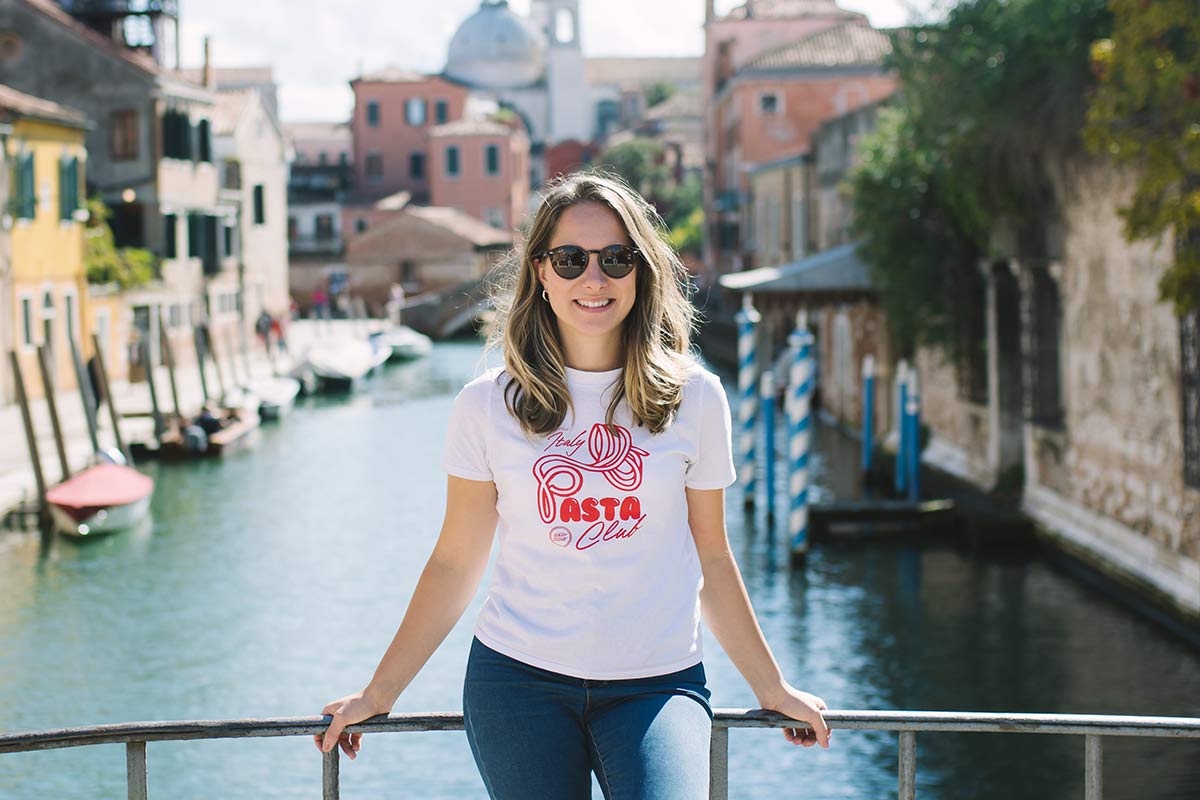
If you’re new around here, my name is Maddy and I’m from Castelfranco. I offer trip consultations and AMA calls where you can ask me your questions about Venice.
🔒 Click Here to Unlock My Top Travel Resources
Let’s start with a controversial tip…
1. Avoid the main tourist routes
One of the most common mistakes in Venice is sticking strictly to the main tourist axis: San Marco → Rialto → Accademia.
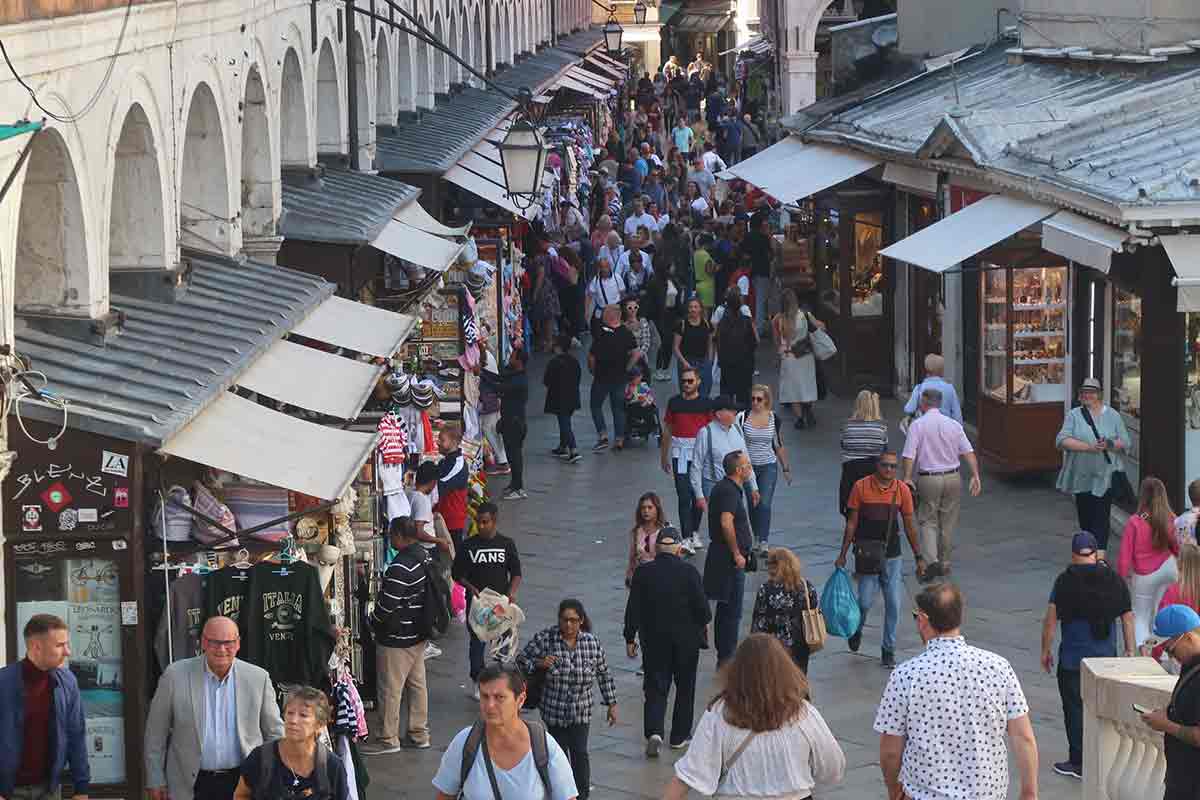
While these landmarks are iconic, focusing only on this route gives you a very narrow view of the city.
This stretch concentrates the highest number of visitors into the smallest area. Walking becomes slow and stressful, bridges clog up, and prices rise accordingly.
Restaurants and shops here are often designed for volume rather than quality, and the atmosphere can feel rushed and impersonal. If this is all you see, it’s easy to leave Venice thinking it’s permanently overcrowded, when in reality, much of the city is not.
Venturing just a little off the main flow makes a noticeable difference. Neighbourhoods such as Cannaregio, Castello, Santa Croce, and quieter parts of Dorsoduro offer wider streets, local shops, and a slower pace of life.
If you’re deciding where to base yourself, this guide to neighbourhoods to stay in Venice explains which areas suit different travel styles and why staying outside the San Marco area can completely change your experience.
2. Skip tourist-trap restaurants
Venice has an incredible food culture, but it’s also where many visitors feel most disappointed. Choosing the wrong restaurant can mean overpaying for mediocre food and missing out on some truly memorable meals.
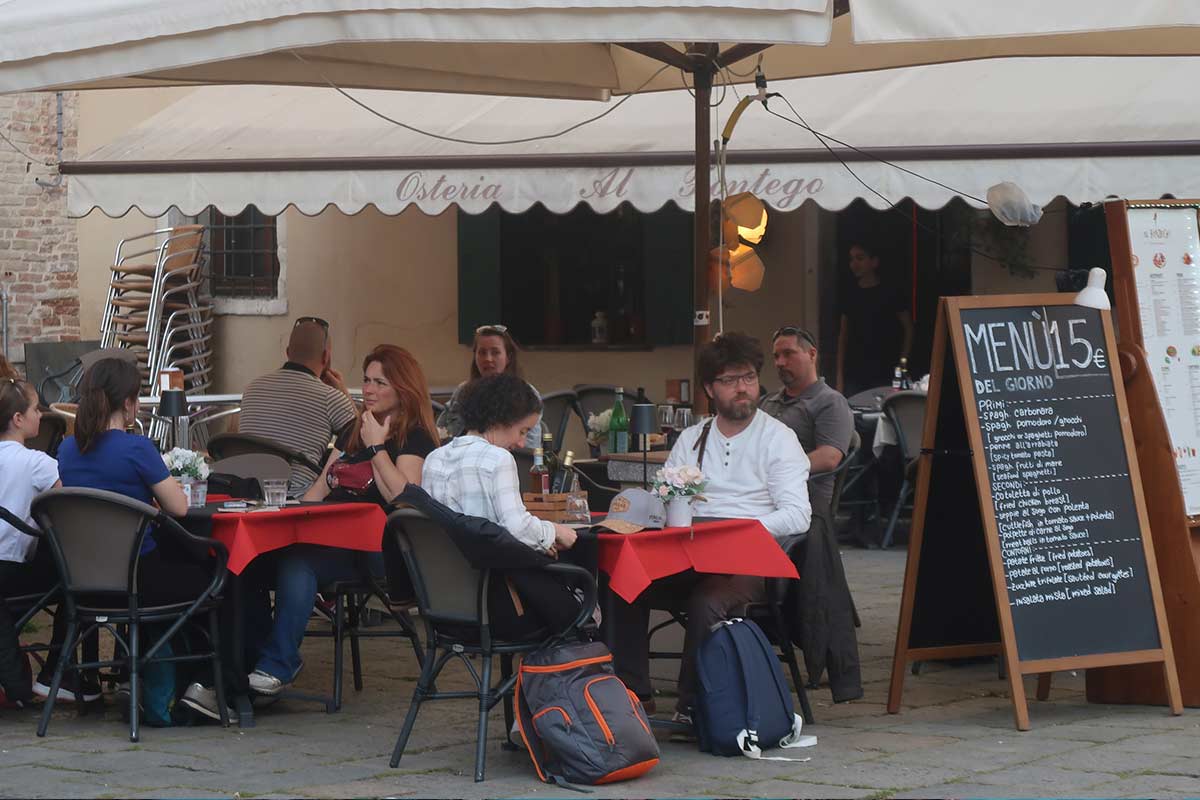
Restaurants that rely on photos of food, menus translated into many languages, or staff actively inviting passers-by inside are usually geared towards quick turnover. These places often prioritise speed and familiarity over flavour, tradition, or seasonal ingredients.
Instead, seek out osterie, bacari, and trattorie, which are usually the best small neighbourhood spots where locals stop for lunch or an evening cicchetto.
These places tend to serve simpler, better-executed dishes and reflect what Venetians actually eat. If you’re short on time, this guide to Venice street food spots is a great starting point for eating well without sitting down for long meals.
You can also pair it with this Venice traditional restaurants map to understand where locals tend to eat, and where quality is more consistent.
3. Don’t just day-trip
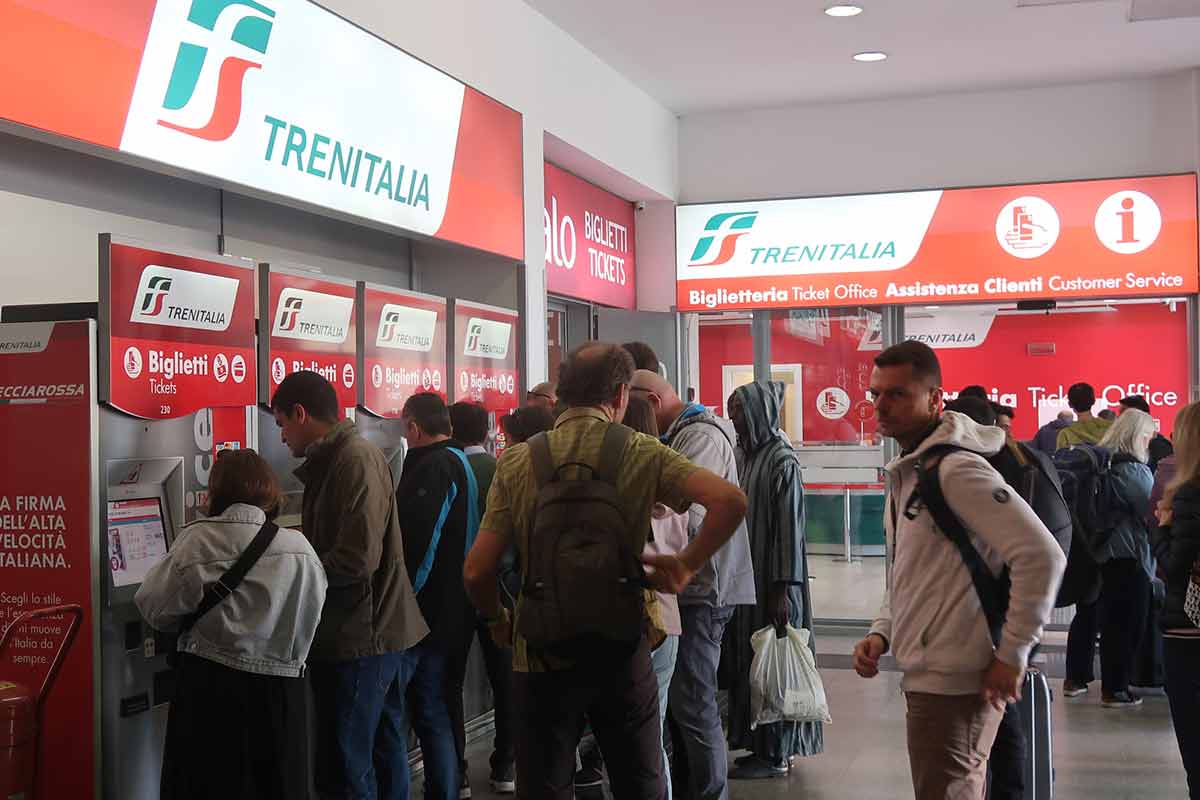
Day trips put a huge strain on Venice. Thousands of visitors arrive in the late morning, concentrate in the same areas, and leave again by early evening, adding pressure without contributing much to the local economy.
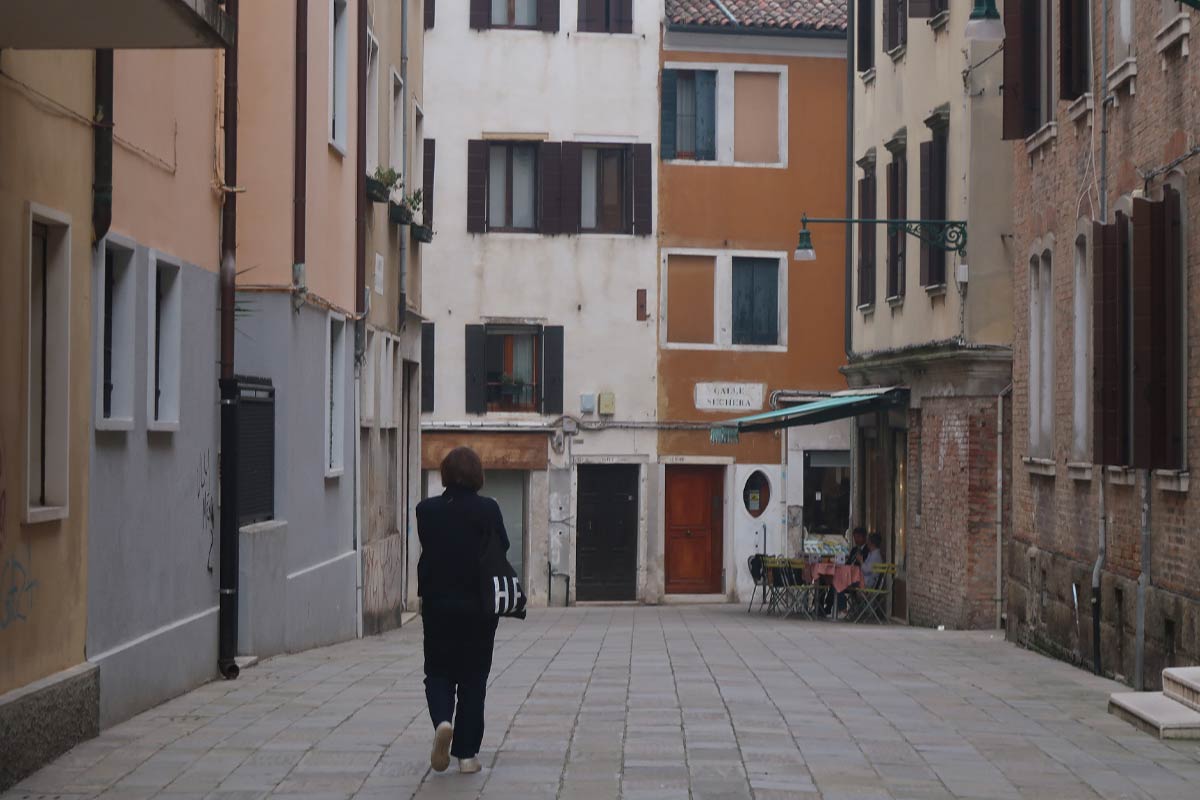
Even one night in Venice changes everything. Early mornings are quiet and atmospheric, with empty calli and locals heading to work.
Evenings slow down, neighbourhood restaurants fill with residents, and the city feels far more balanced. Staying overnight also allows you to experience Venice at different rhythms, rather than during its busiest hours.
If you’re unsure how long to stay, this 2-day Venice itinerary shows how much more relaxed and rewarding a short overnight visit can be.
To move around thoughtfully, my Venice Unlocked Visitor Map highlights places located in areas where you can slowly explore while supporting local businesses.
Read more about being a good tourist in Venice and why overnight stays matter.
4. Avoid peak crowd hours
Venice has very clear crowd patterns, and planning without considering them can turn even the best sights into exhausting experiences.

Late morning through mid-afternoon is when tour groups, cruise visitors, and day-trippers overlap. During these hours, popular landmarks can feel congested and stressful.
Exploring early in the morning or later in the evening allows you to enjoy the same places with far fewer people. If certain sights are high on your list, visiting right at opening time makes a noticeable difference.
For example, checking Doge’s Palace opening hours and St Mark’s Basilica opening times can help you plan strategically. Alternatively, consider skipping the busiest landmarks altogether and exploring non-touristy areas of Venice, where the atmosphere is calmer throughout the day.
5. Respect Venice as a living city
One of the most important things to remember is that Venice is not a theme park. It’s a living city with residents, schools, workplaces, and daily routines.
Small behaviours help keep Venice liveable: don’t block bridges or narrow streets, avoid sitting on church steps or monuments, and don’t picnic in places meant for everyday use. Being mindful of noise, especially in the evenings, also goes a long way.
Understanding the real impacts of overtourism in Venice helps explain why these small choices matter. There are ways to have a more authentic experience in Venice.
You can find out more in my guide about how to have a local experience in Venice which is packed with practical examples of how to experience the city respectfully.
6. Skip mass-made souvenirs
Souvenirs are meant to remind you of your trip, but many items sold in Venice have little connection to the city itself.
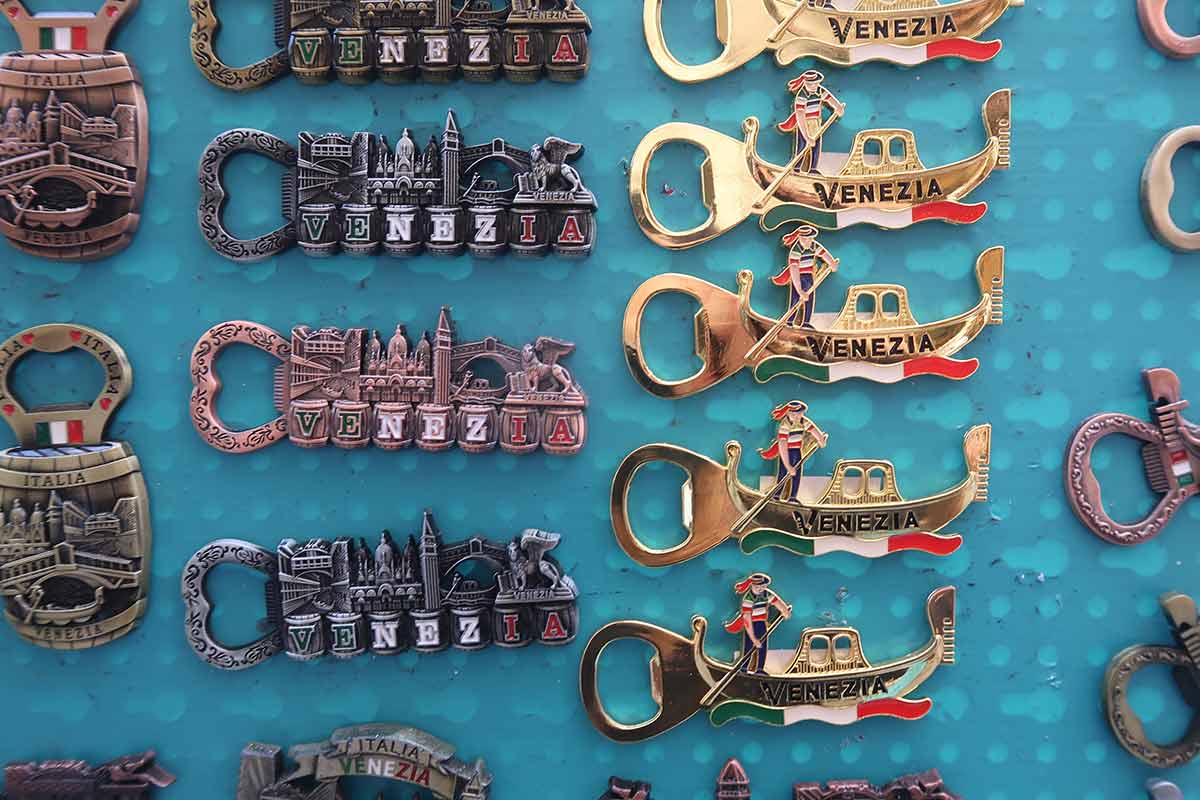
Cheap masks, glass trinkets, and generic gifts are often mass-produced elsewhere and imported, supporting neither Venetian craftsmanship nor the local economy.
Venice still has a strong tradition of craftsmanship. Look out for real mask makers, bookbinders, and glass bead artists, and workshops where you can see the process firsthand.
Experiences like a Murano glass blowing or a traditional mask-making workshop offer insight into these crafts and result in meaningful keepsakes. For more ideas on authentic purchases, my guide to what to buy in Venice is very helpful.
7. Don’t overplan your visit
Venice isn’t a city that rewards rushing. Trying to see everything in a short time often leads to fatigue and surface-level experiences.
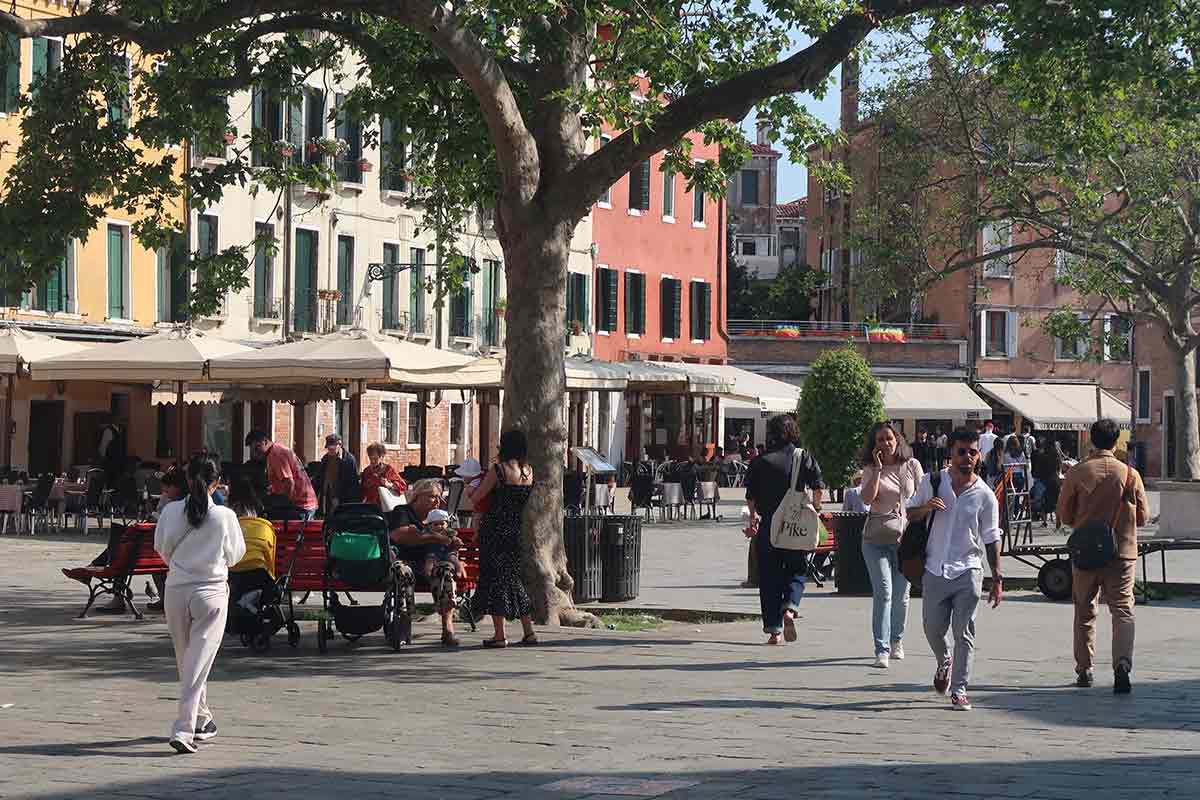
Some of the best moments happen when you leave space for them: walking around without a destination, sitting in a quiet campo, or stopping for a coffee at the bar while watching daily life pass by.
Following a slow travel approach allows Venice to unfold naturally. This slow travel Venice itinerary offers a gentler way to structure your days, while these non-touristy things to do show how rewarding it can be to step away from the highlights.
Final thoughts: small choices that make a better Venice trip
Avoiding mass-tourism habits in Venice isn’t about missing out, it’s about experiencing more.
Choosing quieter routes, eating where locals eat, staying overnight, and slowing your pace all lead to a deeper, more authentic connection with the city.
These small, thoughtful choices make a real difference, both to your experience and to the people who call Venice home. Travel with care, and Venice reveals its true beauty to those willing to look beyond the obvious.
📌 Like this guide? Tap to Pin it…
If you found this Venice travel guide helpful, feel free to buy me a virtual coffee here.
“Dear traveller! Some links in this post contain affiliate links. Meaning, if you click through and make a tour booking or reserve a hotel, I may earn a small commission at no additional cost to you. Your support means a lot to me and helps me to keep creating and maintaining the quality of this site for you.”