If you’re planning a trip to Venice, chances are you’ve come across confusing mentions of extra charges, fees, and registrations.
The Venice tourist tax (or Venice city tax) is one of the most common questions travellers ask, and it’s often mixed up with the newer Venice entry fee.
Venice introduced visitor-related charges to better manage tourism in a city that deals daily with overcrowding, fragile infrastructure, and a declining local population. These measures are meant to balance tourism with everyday life, not to discourage visitors altogether.
Venice tourist tax explained
In this guide, I’ll explain exactly what the Venice tourist tax is, who pays it, how much to expect, and how it differs from the Venice entry fee, so you know what to plan for when visiting Venice in 2026.

If you’re new around here, my name is Maddy and I’m from Castelfranco. I offer trip consultations and AMA calls where you can ask me your questions about Venice.
1. What is the Venice tourist tax?
The Venice tourist tax (imposta di soggiorno) is a local tax applied to overnight visitors staying in paid accommodation within the municipality of Venice.
It is charged per person, per night, up to a maximum number of nights per stay. Once that limit is reached, no further tax is applied for the same booking.
You don’t pay this tax directly to the city. Instead, it is collected by your accommodation provider, whether that’s a hotel, B&B, or short-term rental, and passed on to the Comune di Venezia.
The tax applies if you stay in the historic centre, the islands, or other areas that fall within Venice’s municipality.
If you’re still deciding where to base yourself, this guide on where to stay in Venice explains how different areas affect transport, costs, and overall experience.
2. Who has to pay the Venice Tourist Tax (and who doesn’t)
In simple terms, most overnight visitors pay the Venice tourist tax.
However, there are exemptions or reduced rates in specific situations.

These commonly include:
Children under 10, 50% reduction for children between 10 and 16 years old;
- Residents of the Municipality of Venice;
- Travellers staying beyond the capped number of nights;
- People visiting Venice for specific work, study, or medical reasons.
If you think you may qualify for an exemption, it usually needs to be declared at check-in, sometimes with supporting documents.
If you’re unsure, it’s best to check with your accommodation in advance, so there are no surprises on arrival.
3. How much is the Venice tourist tax?
There isn’t a single fixed amount for the Venice tourist tax. The rate depends on a few key factors.
Type of accommodation
Hotels are categorised by star rating, with higher-end hotels generally charging a higher nightly tax. Apartments, B&Bs, and campsites follow different brackets.
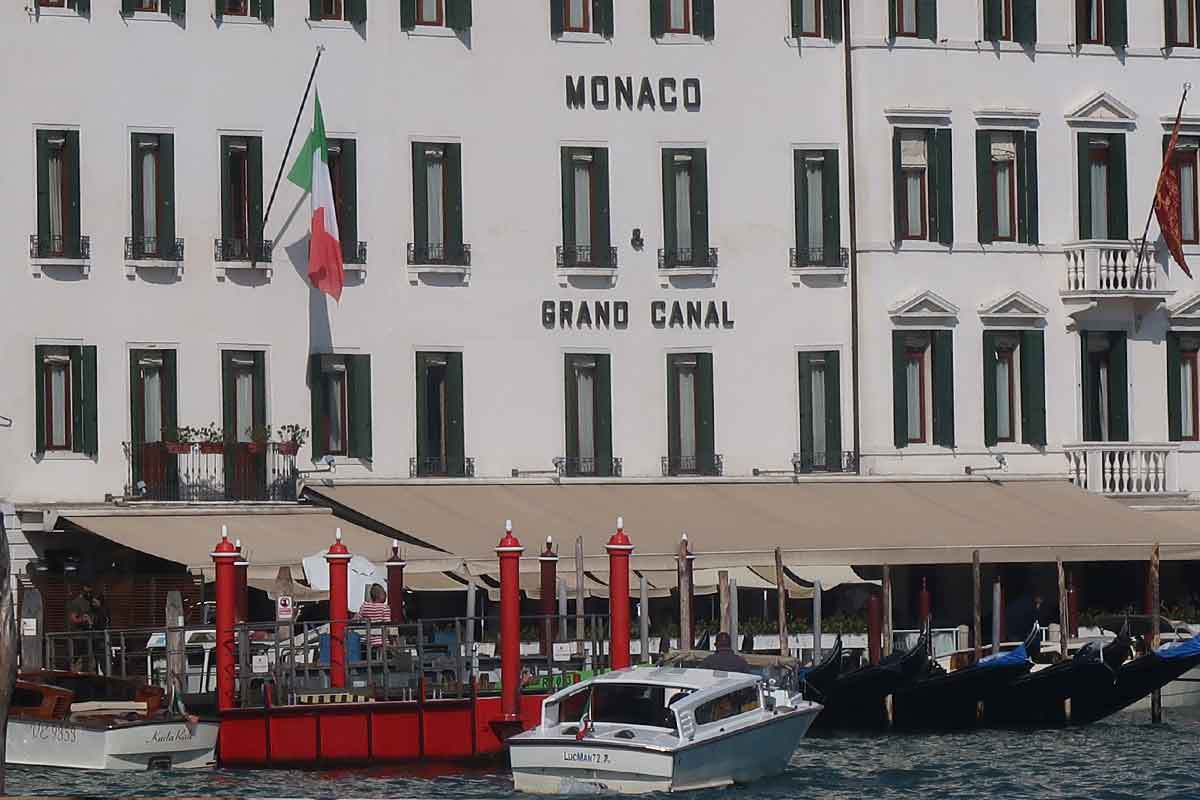
If you’re still choosing accommodation, it helps to compare options by style and budget. For example, if you’re after character and location, you can browse my curated list of boutique hotels in Venice.
Travelling with kids? These family-friendly hotels in Venice are a good starting point, and if you’re visiting on a tighter budget, I’ve also put together a list of cheap hotels in Venice worth considering.
Location
Rates can also vary depending on whether you stay in the historic centre and islands or on the mainland, such as Mestre. Central Venice usually falls into the higher range.

Because rates can change over time, it’s best to treat published figures as indicative only. For the most accurate amount, always confirm the tourist tax directly with your accommodation.
🧳 Need luggage storage in Venice? Bounce makes it quick and safe. Don’t haul your bags around, see how you can store your luggage securely before you arrive.
Season
Seasonality also affects the Venice tourist tax. The city sets different rates for high season (from 1 February to 31 December) and low season (from 1 January to 31 January).
Because of this, the amount you pay per night can be noticeably higher in peak periods like spring, summer, and major holidays compared with winter or early January.
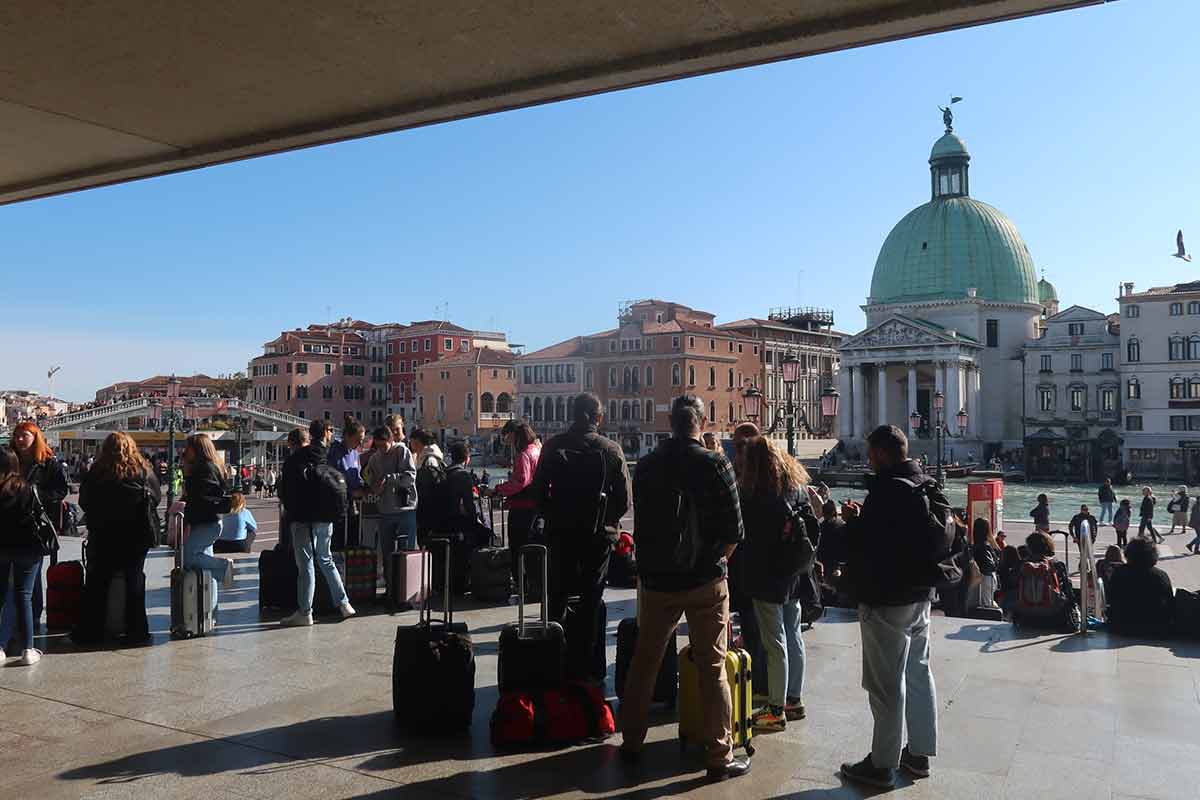
Important: The Venice tourist tax is only charged for the first 5 nights of your stay. If you’re staying longer, you won’t be asked to pay anything beyond night five.
If you move accommodation during the same trip, you won’t be charged twice for the same nights.
Just make sure you keep the payment receipt or confirmation from your first accommodation and show it to the new host. This proves you’ve already paid the tourist tax for those nights and avoids duplicate charges.
4. What is the Venice entry fee?
The Venice entry fee is a completely separate measure from the Venice tourist tax.
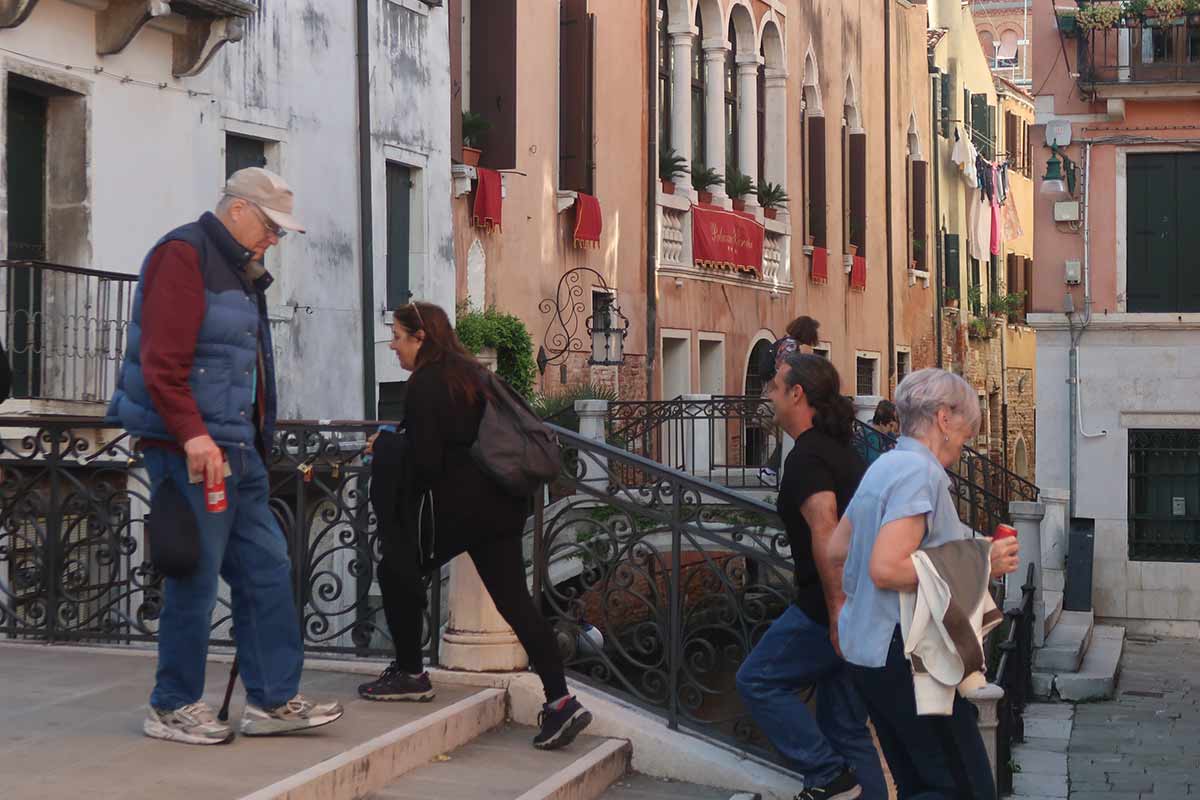
It mainly affects day-trippers, people who visit Venice for the day without staying overnight. The fee applies only on selected high-traffic dates and requires visitors to register in advance through an official platform.
Unlike the tourist tax, the entry fee is not linked to accommodation and is not collected at check-in.
If you’re planning a day trip or staying outside Venice, it’s important to understand how this system works. I explain it in detail in my full guide to the Venice entry fee, including who needs to register and when.
5. Venice tourist tax vs Venice entry fee: key differences
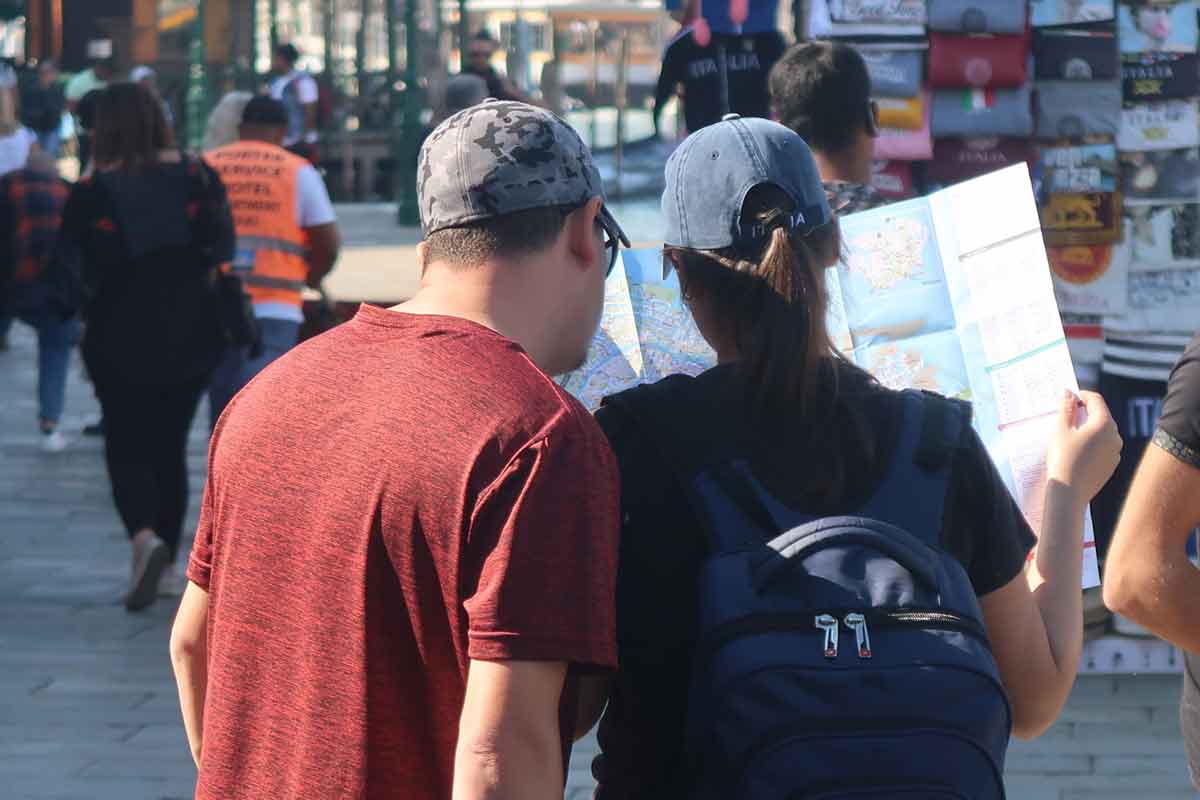
These two charges serve different purposes and apply to different types of visitors:
- Venice tourist tax → applies to overnight stays in paid accommodation
- Venice entry fee → applies mainly to day visitors on selected peak days
If you stay overnight in Venice, you generally do not need to pay the entry fee, as your contribution is already covered through the tourist tax.
Most confusion comes from timing and terminology. Both measures exist at the same time, but they don’t overlap in the way many travellers expect. Knowing the difference helps you avoid unnecessary admin, or fines.
6. What travellers need to know when planning a trip to Venice in 2026

When planning a trip to Venice in 2026, it’s important to factor these charges into your plans early.
- Include the Venice tourist tax in your accommodation budget, even if it’s collected separately. In the past, I’ve been asked to pay the tourist tax in cash, so it’s a good idea to have a small amount ready just in case.
- Check whether the entry fee applies if you’re visiting for the day or commuting in from outside Venice.
- Expect increased checks and enforcement, especially on busy dates.
Staying overnight in Venice often makes things simpler, particularly for short trips. If you’re organising your itinerary, transport, and accommodation, my step-by-step Venice trip planning guide will help you pull everything together without stress.
7. Why Venice has these charges
The Venice tourist tax and entry fee are part of a broader response to long-standing tourism pressure.

The main goals are:
- Reducing overtourism on peak days;
- Helping maintain public transport, waste collection, and essential services;
Supporting residents who live and work in the city year-round.
These measures are about long-term sustainability rather than quick fixes.
If you’d like a deeper look at how tourism affects daily life in the city, I cover this in more detail in my article on the impact of overtourism in Venice.
FAQ: Venice Tourist Tax
Here are some questions readers ask about the tourist tax in Venice:
Venice Tourist Tax in 2026: What to expect before you go
The Venice tourist tax applies to overnight stays, while the Venice entry fee mainly affects day visitors on selected busy dates. Understanding which one applies to your trip makes planning much easier.
With a bit of preparation, the system is straightforward to navigate. Knowing what to expect helps you budget accurately and focus on enjoying Venice.
Travelling informed and responsibly is one of the simplest ways to help protect the city, so it remains a place people can live in, not just visit.
📌 Like this guide? Tap to Pin it…
If you found this Venice travel guide helpful, feel free to buy me a virtual coffee here.
“Dear traveller! Some links in this post contain affiliate links. Meaning, if you click through and make a tour booking or reserve a hotel, I may earn a small commission at no additional cost to you. Your support means a lot to me and helps me to keep creating and maintaining the quality of this site for you.”