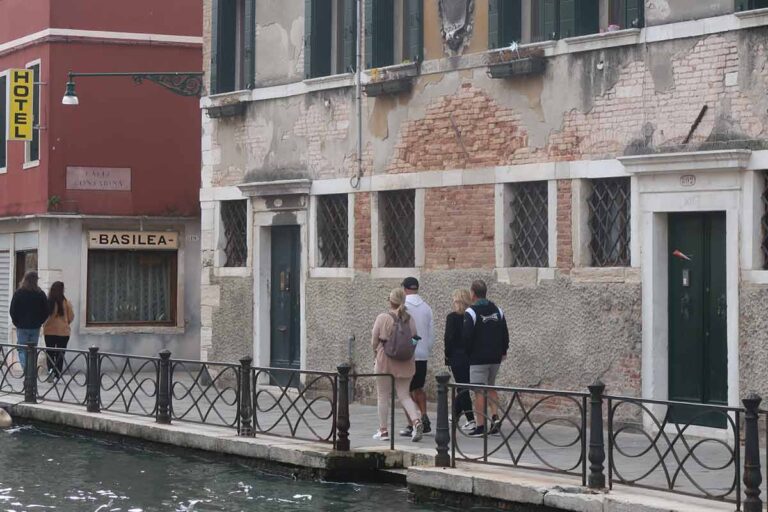
After years of visiting, I can confidently say that I’ve not once felt unsafe in Venice.
That said, like any touristy destination, it has its own things going on and a handful of tourist scams worth knowing about before you arrive.
Most of the time, staying safe in Venice as a visitor is simply a matter of using a little common sense and knowing exactly what to look out for.
Venice safety tips to know before visiting
If you’re new here, my name is Maddy, and I’m from Castelfranco. I offer trip consultations and AMA calls where you can ask me your questions about Venice.
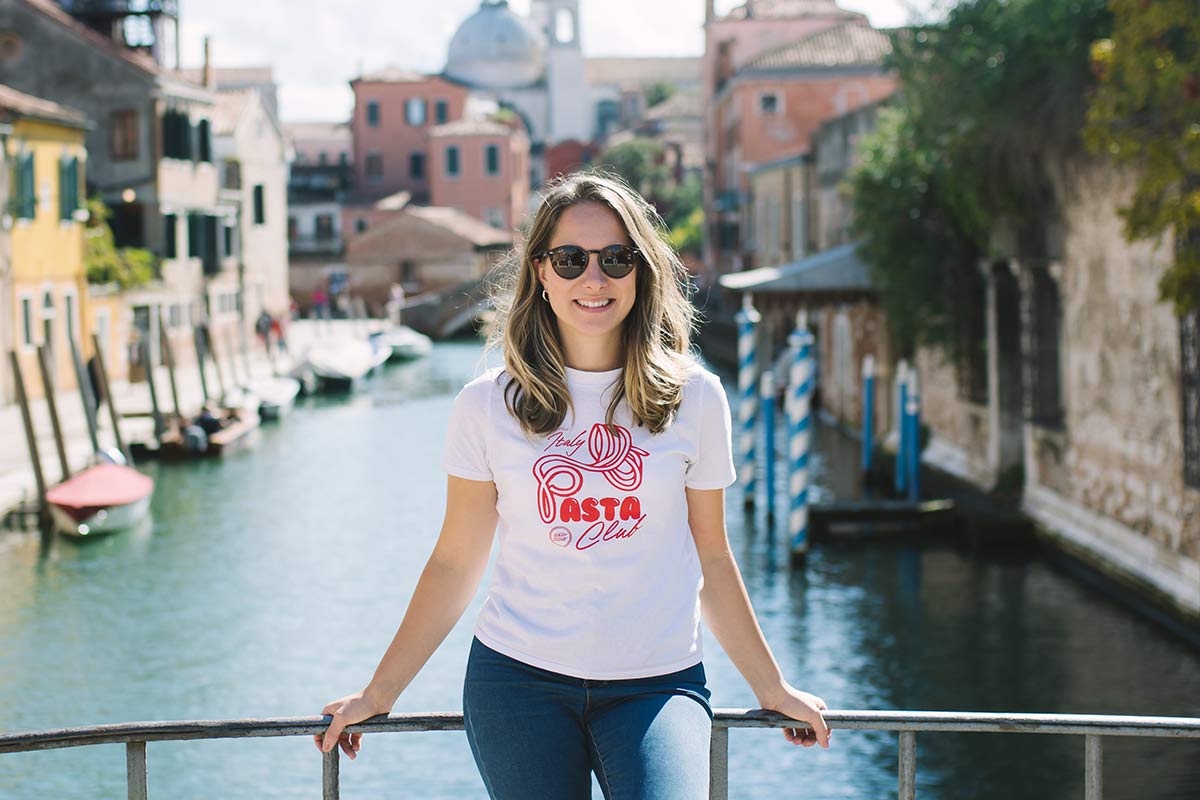
In this guide, I am going to share my top 7 Venice safety tips, which include everything from avoiding pickpockets and dodgy luggage porters to staying healthy, moving around safely, and knowing who to call in an emergency.
If you have a trip to Venice booked for the near future, consider this your practical, no-nonsense checklist so you can relax and actually enjoy the city.
Let’s start with:
1. Pickpocketing in Venice’s busy areas and other tourist scams
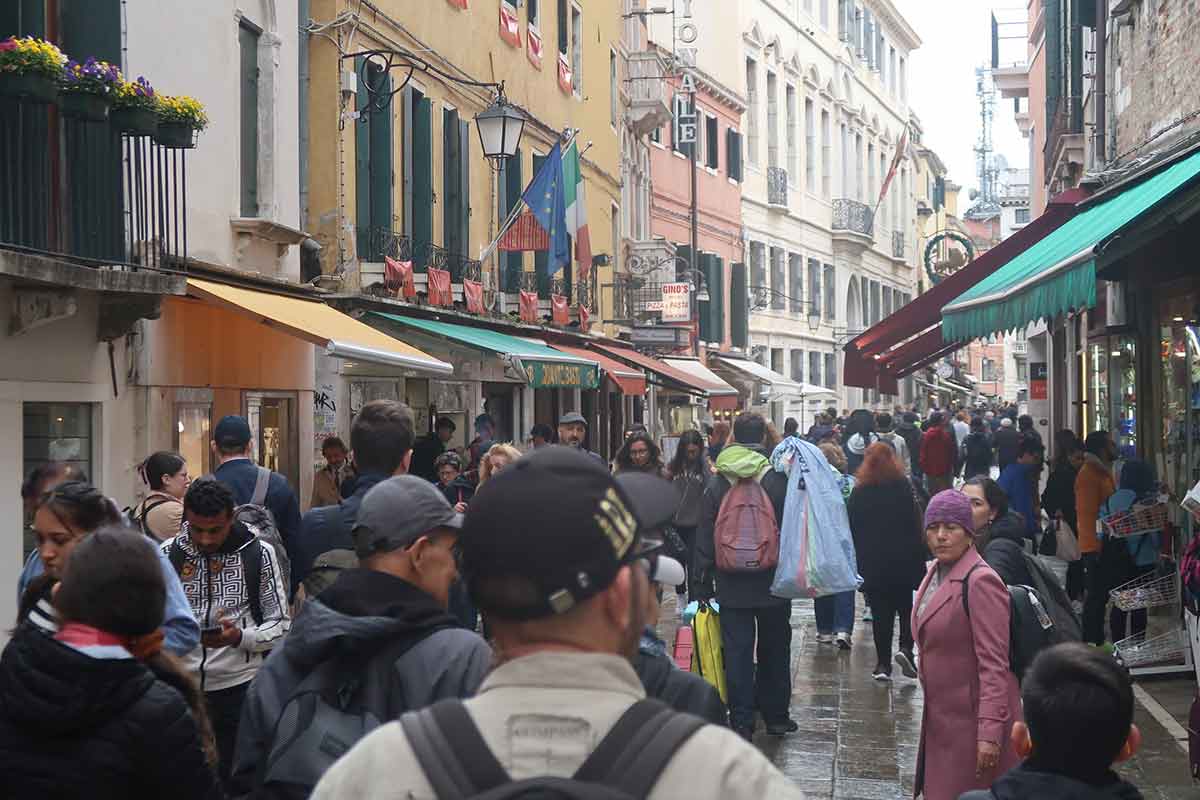
Pickpockets are quite active in Venice, similarly to other major Italian cities like Florence and Rome.
These petty crimes happen, especially in crowded spots like near the Rialto Bridge, St Mark’s Square, and busy vaporetto stops, and it can be very annoying when it does. In fact, it can disrupt your trip, especially if they steal your passport, cash and valuable belongings.
I strongly advise leaving everything valuable in a safe at your hotel, not carrying too much cash around (you can pay in most places by card) and investing in your travel gear. What does it mean?
Keep your belongings in an anti-theft bag (I use PacSafe whenever I’m exploring Venice) and stay aware of your surroundings, particularly when you’re in a crowd.
Beyond pickpockets, there are a couple more scams, such as the “free” bracelet trick, the three-cup street game you’ll often spot on the Rialto Bridge, and the rose scam, where someone hands you a flower and then asks for money.
None of these are dangerous, just annoying, so the best approach is to politely decline and keep walking.
Got travel insurance for your trip?

World Nomads offers simple and flexible travel insurance. Buy at home or while travelling and claim online from anywhere in the world.
2. Be cautious of unofficial luggage porters near Venice train station

Just outside Venice’s railway station, you’ll likely be approached by people offering to carry your luggage using a two-wheel cart, which can be handy when you’re dragging suitcases up and down bridges. You may encounter some that can be quite persistent and have unclear or inflated fees. Walk away.
If you do want to use a porter, make sure they’re licensed. Genuine porters wear a recognisable jacket or polo shirt with “Porter” written on it or the logo of their cooperative, and they always carry a visible ID badge with their photo, name, and registration number.
Official porters also charge fixed, transparent rates rather than negotiating on the spot, so if someone’s price feels vague or too high, that’s your cue to walk away.
3. What to know about food safety in Venice
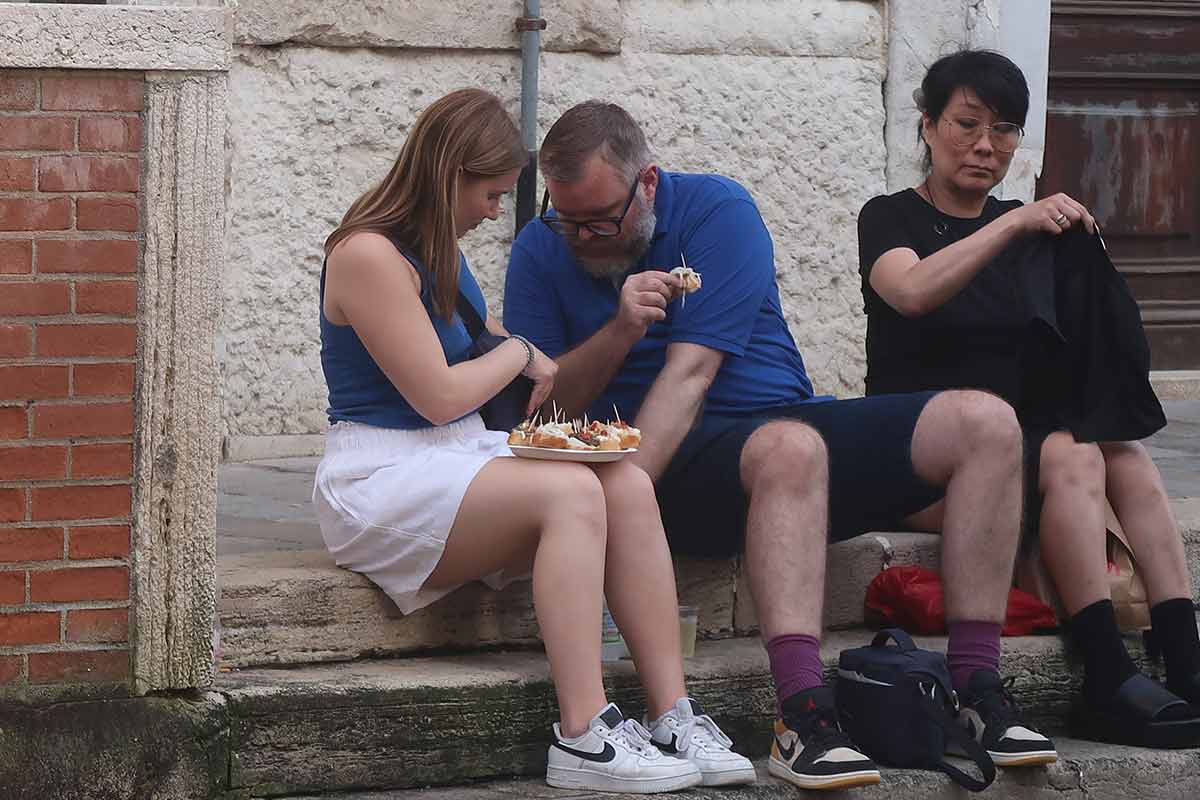
When visiting this city, you’re in for a treat, especially if you love fish and seafood.
Generally speaking, even Venice’s street food scene is worth trying, but it’s always smart to know what you’re eating and ask about ingredients if you’re unsure.
Got intolerances and allergies? Or… looking for gluten-free options? Check the menu, and ask the counter and kitchen staff, if necessary, for extra reassurance.
For seafood in particular, stick to busy, well-reviewed restaurants. Restaurants near Rialto are busy and that’s for the view, as they tend to focus on quantity rather than quality of the food. This translated into a chance of eating frozen fish and seafood or not-so-fresh fish. If the restaurant is using frozen produce, it must be clearly indicated on the menu.
A steady stream of local customers and slightly tucked away from the touristy area is usually the best sign that the fish is fresh and the kitchen knows what it’s doing. If you want to explore the food scene with someone that knows the city inside out, you can join our private food tour of Venice.
4. How to spot and avoid fake designer goods in Venice
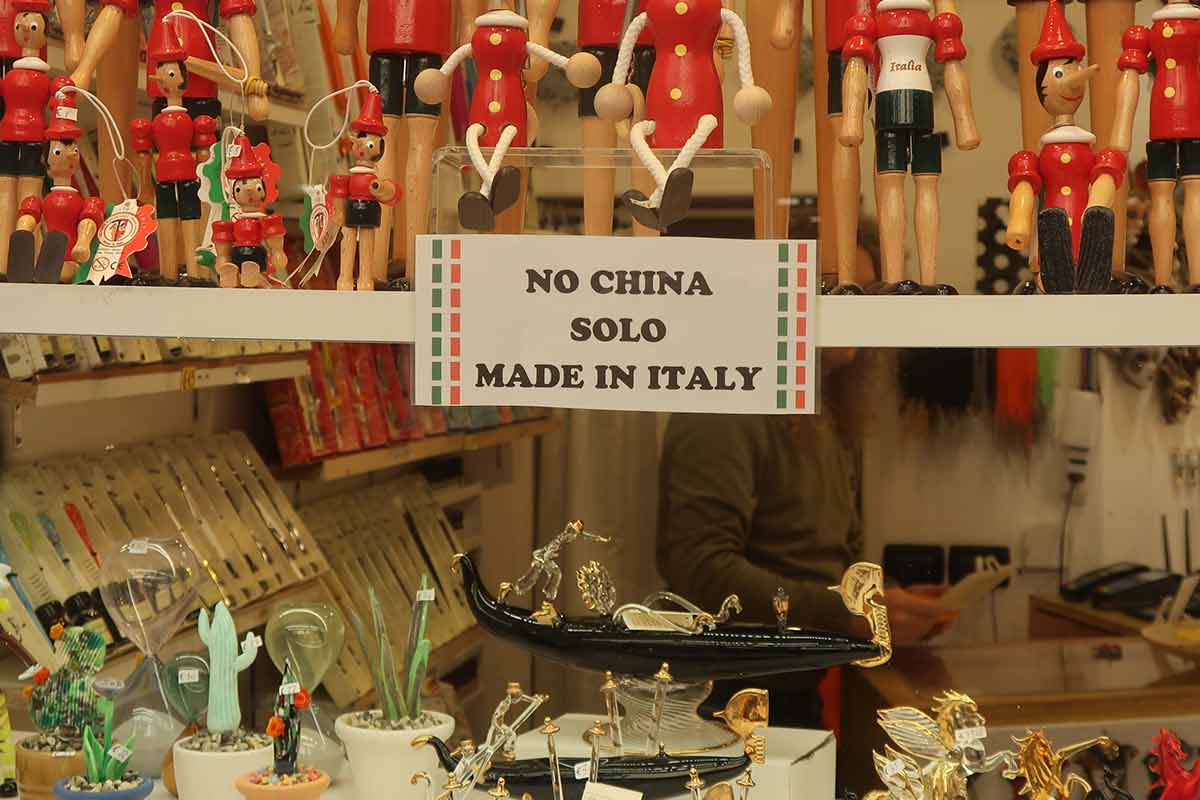
You’ll come across street vendors selling counterfeit designer bags and belts all over the city, but especially around the Rialto Bridge and the market area. It’s tempting, I know, but steer clear.
This isn’t just a case of buyer beware: in Italy, both the seller and the buyer of counterfeit goods can be fined, so what looks like a bargain could end up costing you a lot more than you planned.
Instead, do yourself (and locally owned businesses) a favour, and buy from artisans. I pinned some great ones on my Venice Unlocked Map.
5. Everyday health tips in Venice: acqua alta, drinking water and mosquitoes

Venice has plenty of public drinking water fountains scattered around the city, and the water is completely safe to drink.
I’d recommend carrying a reusable bottle so you can top up as you go rather than buying plastic bottles everywhere. Restaurant tap water is just as safe, too.
From late spring through summer, especially around sunset, mosquitoes tend to appear near the canals and can be a bit relentless, so pack a repellent.
Venice also occasionally experiences acqua alta, seasonal high water that can flood low-lying streets and squares, so it’s worth keeping an eye on forecasts if you’re visiting outside peak summer months.
If you need a pharmacy, look out for the green cross sign above the door, they’re easy to spot all over the city, and some stay open on weekends and public holidays. Italian pharmacists are generally more hands-on with advice than what you might be used to, and many can dispense medication against a prescription from abroad.
6. Moving around Venice and safe transport
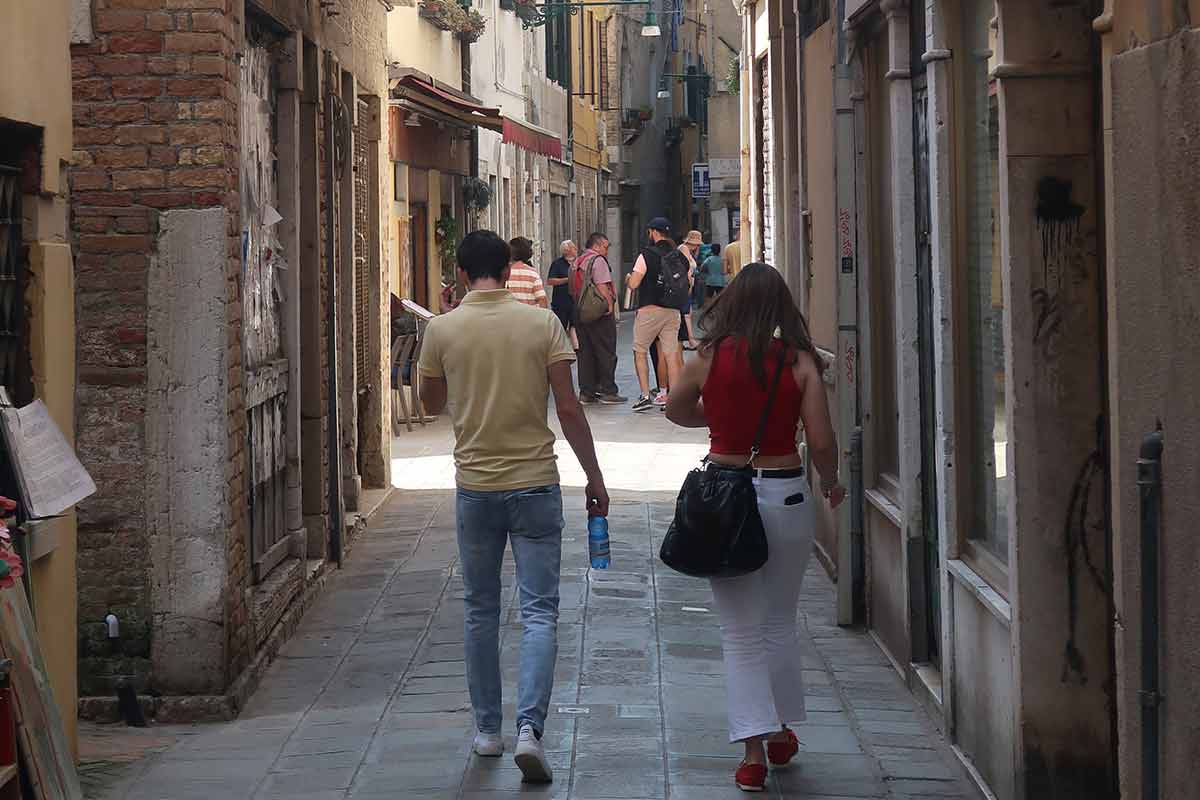
Comfortable shoes are non-negotiable in Venice. Waterproof sneakers with good grip are your best bet, and I’d avoid heels or anything with a slippery sole, especially on the city’s many bridges. It’s also worth packing blister patches, just in case.
If you’re arriving via Marco Polo Airport, always choose one of the official transport options, and in Venice get municipal water taxis that have fixed rates.
Once you’re in the city, buy your public transport tickets only from authorised offices or machines, and remember you can simply tap in and out on the vaporetto, with the lowest applicable fare charged automatically to your card.
If you need somewhere to leave your bags for the day, a service like Bounce is a much safer option to store your luggage, than carrying luggage around or leaving it unattended.
And when it comes to bridges and steps, take your time, especially on wet stones, which can get genuinely slippery. The Calatrava Bridge is a particularly tricky one in the rain, so hold the railing whenever it’s available and walk slowly.
7. Emergency numbers for visiting Venice
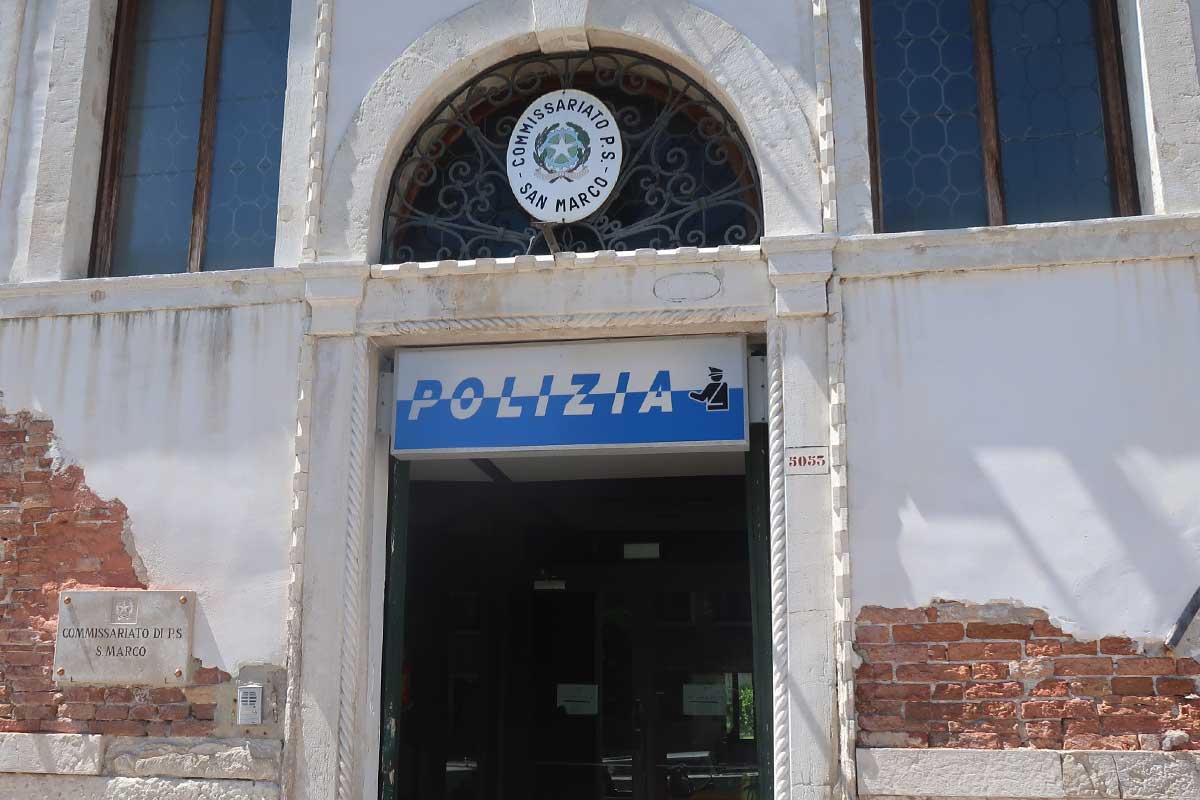
It’s always worth saving a few key numbers before you travel. For a medical emergency, call 118, which operates around the clock.
Outside regular hours or before public holidays, you can also reach the Venice historical centre’s emergency medical service on 0039 041 5294060.
Here are the essentials to keep handy:
- 112 – General emergency number (works across Europe)
- 118 – Ambulance and medical assistance
- Ospedale Civile SS. Giovanni e Paolo – Venice’s main hospital, located in Castello and reachable by vaporetto
It’s also worth learning a few basic Italian phrases in case you get lost or need help, this go-to Italian phrasebook is a great little resource to keep in your bag.
Finally, get your travel insurance with SafetyWing sorted before your trip so in case of theft and medical emergencies, you always get reimbursed for your expenses.
Safety tips to know before visiting Venice
Venice is a safe city to visit, whether you are a solo or female traveller or travelling with children, but a bit of preparation goes a long way.
Keep your belongings secure in crowded spots, only use official porters and transport, wear the right shoes, and save a few emergency numbers before you go.
Do that, and you’re free to focus on what actually matters: getting lost in Venice’s canals and falling in love with the city, exactly the way I do every time I’m here.
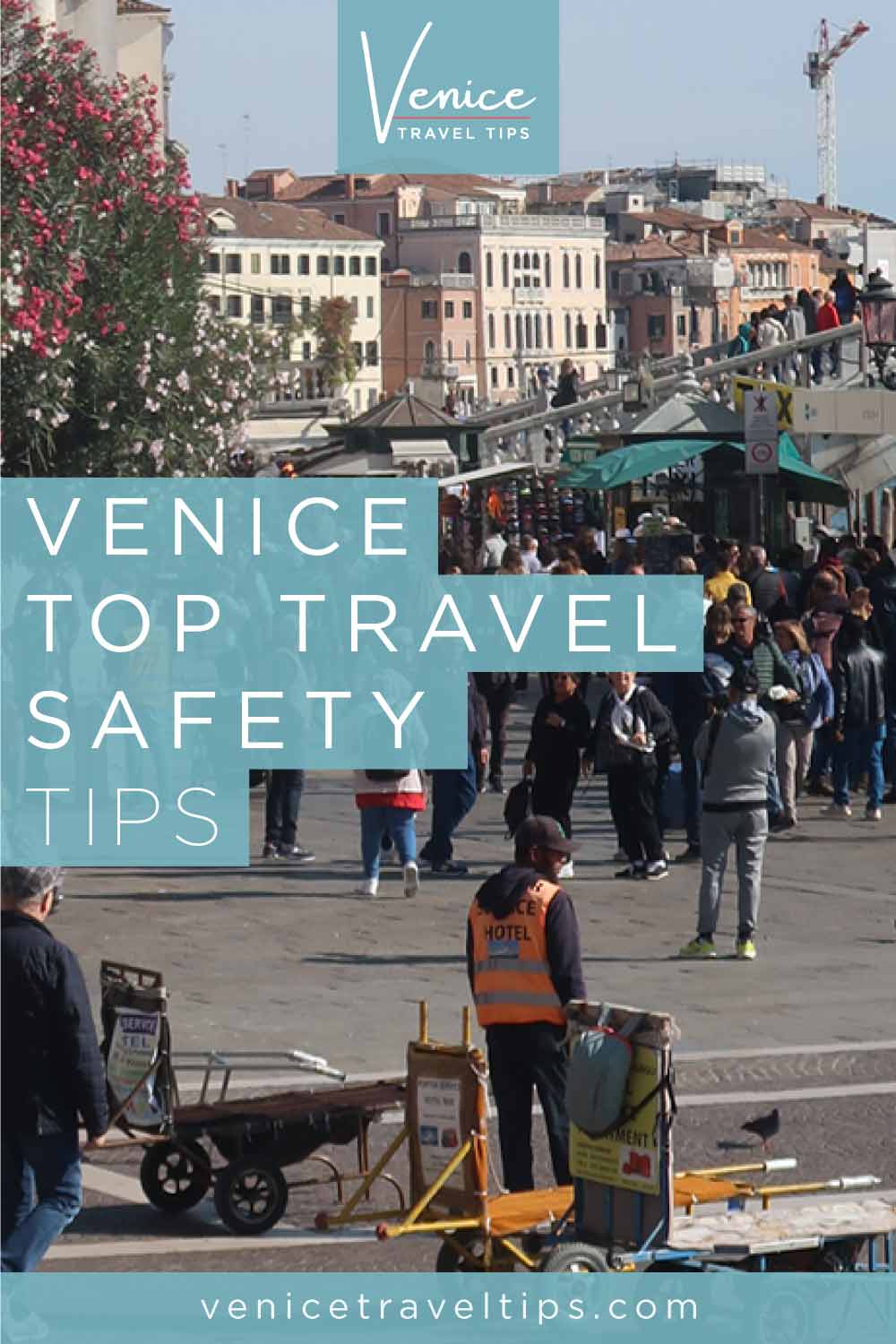
📌 Like this guide? Tap to Pin it…
If you found this Venice travel guide helpful, feel free to buy me a virtual coffee here.
“Dear traveller! Some links in this post contain affiliate links. Meaning, if you click through and make a tour booking or reserve a hotel, I may earn a small commission at no additional cost to you. Your support means a lot to me and helps me to keep creating and maintaining the quality of this site for you.”