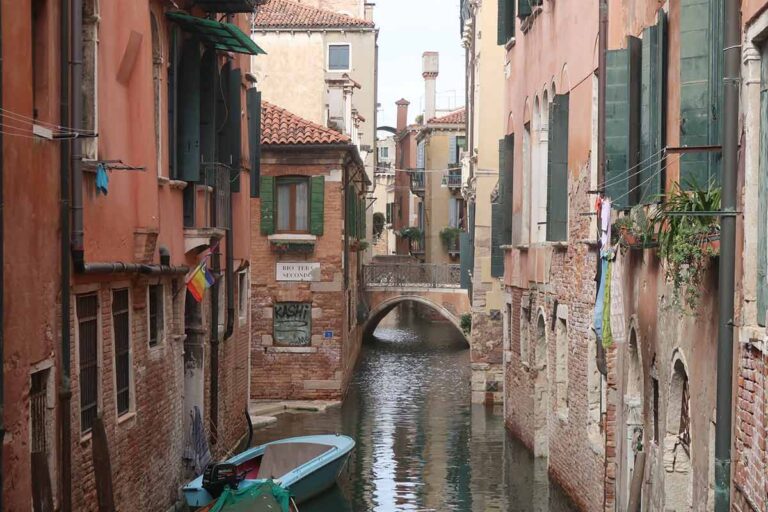
Venice is one of the world’s most visited cities, but it is also one of the most fragile. That’s exactly why the way we behave as tourists here matters so much.
The good tourist in Venice is not the one ticking all the boxes as fast as possible. It’s about understanding that Venice is a real, living place where people work, study, shop, eat and sleep.
It’s a city with narrow calli and bridges that weren’t built for crowds and with residents who are doing their best to keep everyday life going despite sometimes overwhelming visitor numbers.
Overtourism affects everything from housing availability to waste management. But small, thoughtful choices can help reduce pressure on the city while making your experience far more meaningful.
How to be a good tourist in Venice
If you’re new here, my name is Maddy, and I’m from Castelfranco. I offer trip consultations and AMA calls where you can ask me your questions about Venice.
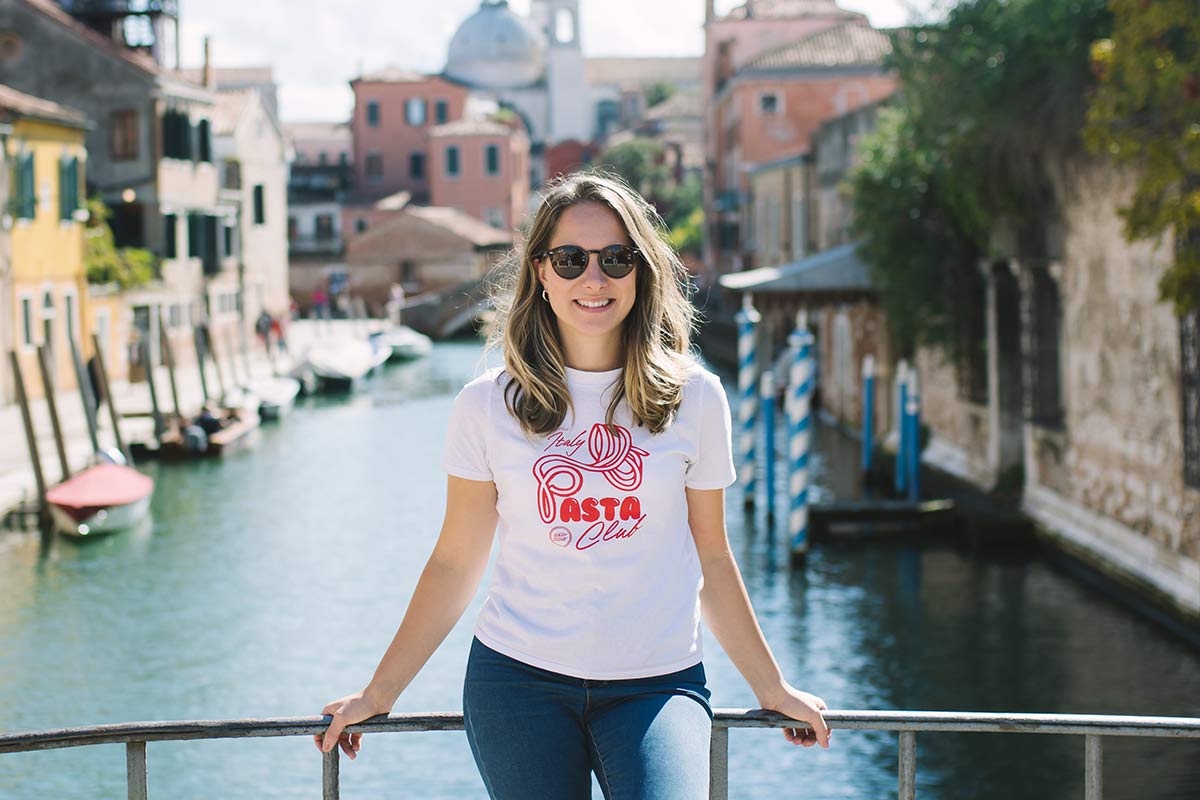
In this guide I’ll share some practical tips on how to be a ‘better’ tourist and how to support locals, ease overcrowding, and help you enjoy the city responsibly.
🔒 Click Here to Unlock My Top Travel Resources
Let’s start this guide by looking at…
1. Learn the basics of life in Venice
Venice is not big. The historic centre is compact, complicated, and home to fewer than 50,000 residents who live here year-round.
That’s important to know, because tourism affects daily life. Imagine trying to walk to work across the Rialto Bridge at the same time as a thousand people with cameras: that’s a real challenge for someone who actually lives here.
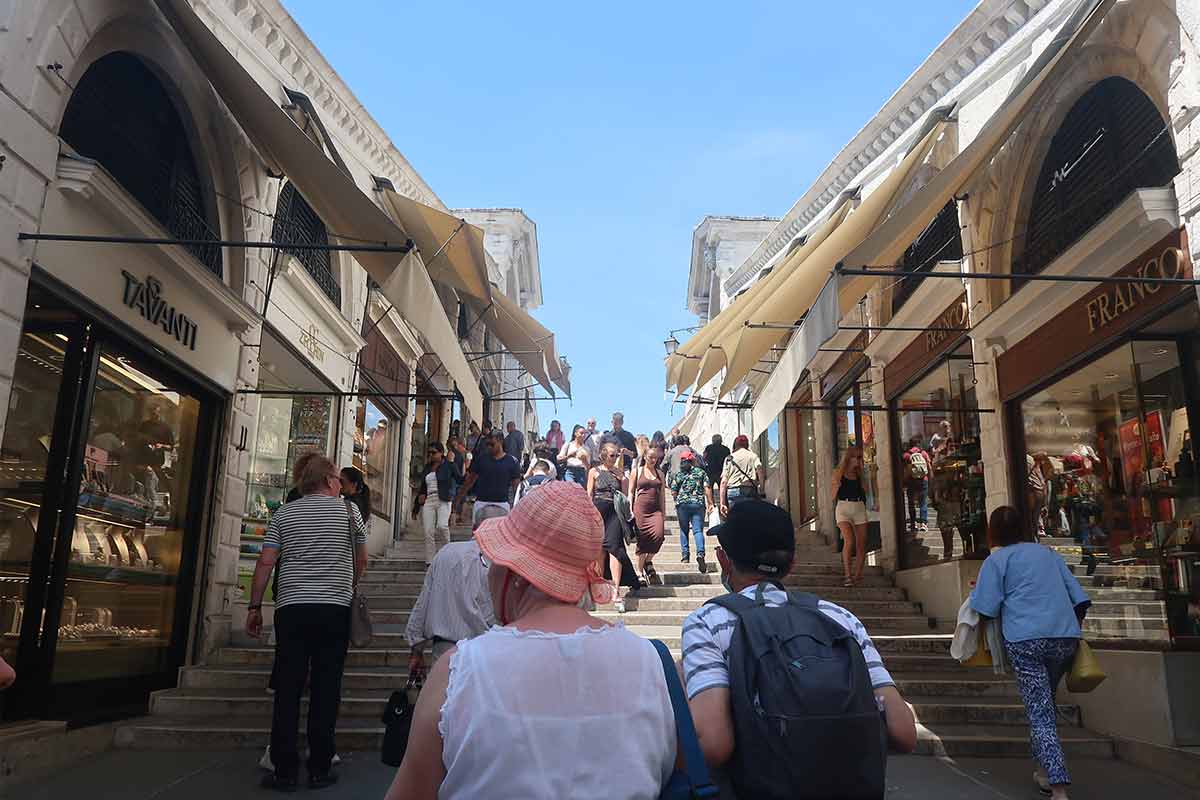
Streets get crowded, shops get overwhelmed, and infrastructure feels the weight of every extra person passing through.
Approaching Venice with a bit of empathy, understanding that this is not a theme park but someone’s home, makes a big difference.
Take time to notice the daily rhythm of the city, and think about where you choose to stay. My guide to Venice neighbourhoods explains the vibe of each area, helping you pick a spot that suits your travel style and respects local life.
2. Explore beyond the tourist hotspots
San Marco Square and the Rialto Bridge are an absolute must for any first time visitor, but they’re also the busiest places in the city.
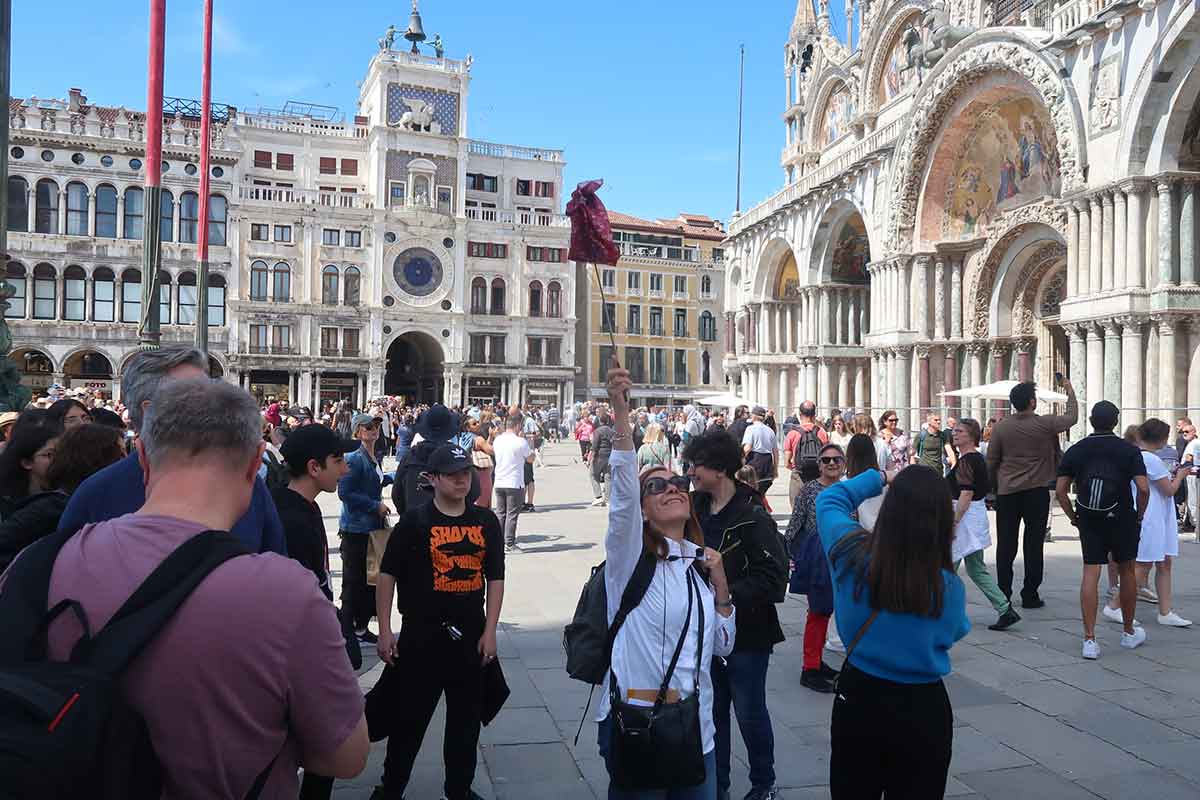
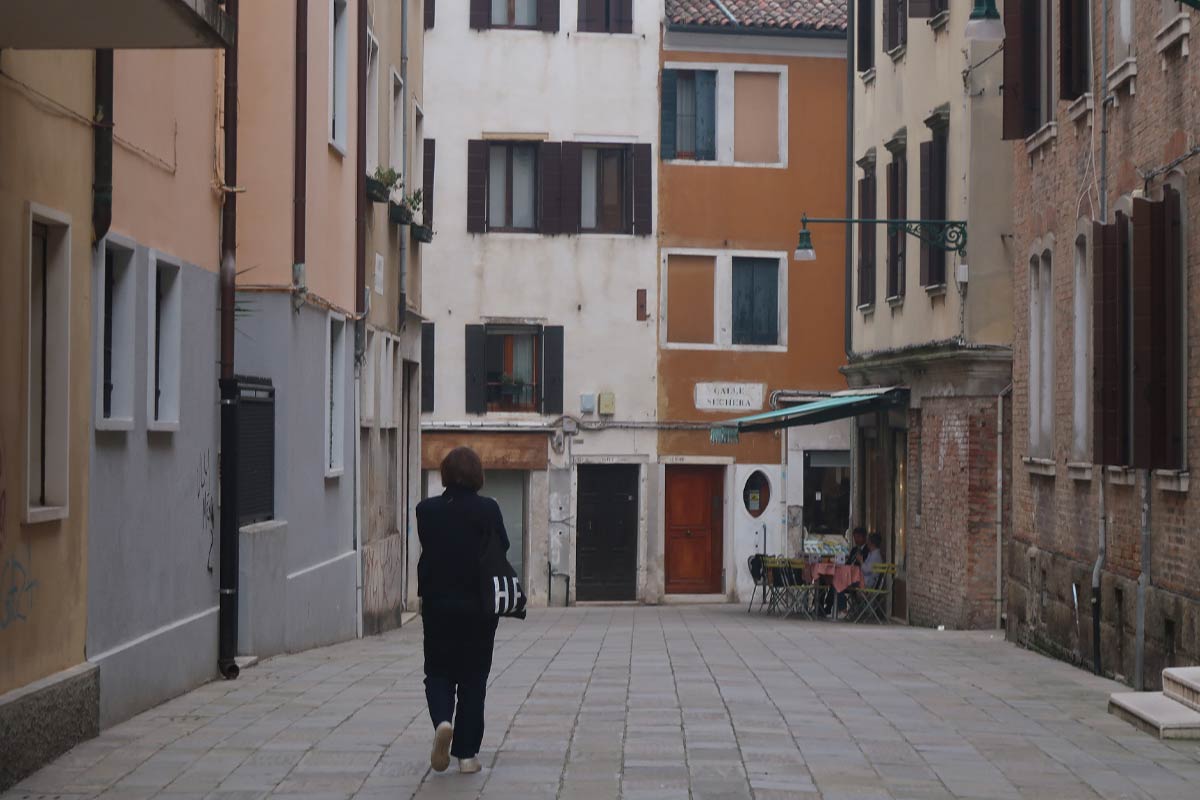
One of the best ways to be a respectful visitor is simply to look beyond those main hubs. Quieter residential neighbourhoods often hold the most authentic experiences. Try wandering through:
- Cannaregio: a classic residential neighbourhood, less popular for its attractions, dotted by authentic little bars and bakeries (if you know where to look!).
- Castello (east): peaceful walking routes, lively local community, markets, less touristy shops and restaurants.
- Santa Croce: close to transport but not nearly as busy, just step a few meters away from Piazzale Roma and Venezia Santa Lucia train station to unlock a quiet side of Venice.
- Dorsoduro (away from Zattere): relaxing waterside strolls, great for independent artisan and artist shopping; part of this neighbourhood is quite touristy (Gallerie dell’Accademia area), but most of it is quiet.
By taking the time to explore these areas, you’ll avoid most crowds and discover a world of hidden local spots, from quiet campos, small cafés, and canals that feel almost your own.
My guide to non-touristy Venice shares even more spots where the city feels truly lived-in.
3. Respect shared streets, bridges & public spaces
Venice’s streets are narrow. That’s part of what makes Venice such a unique place to walk around, but also a challenge when crowds gather.
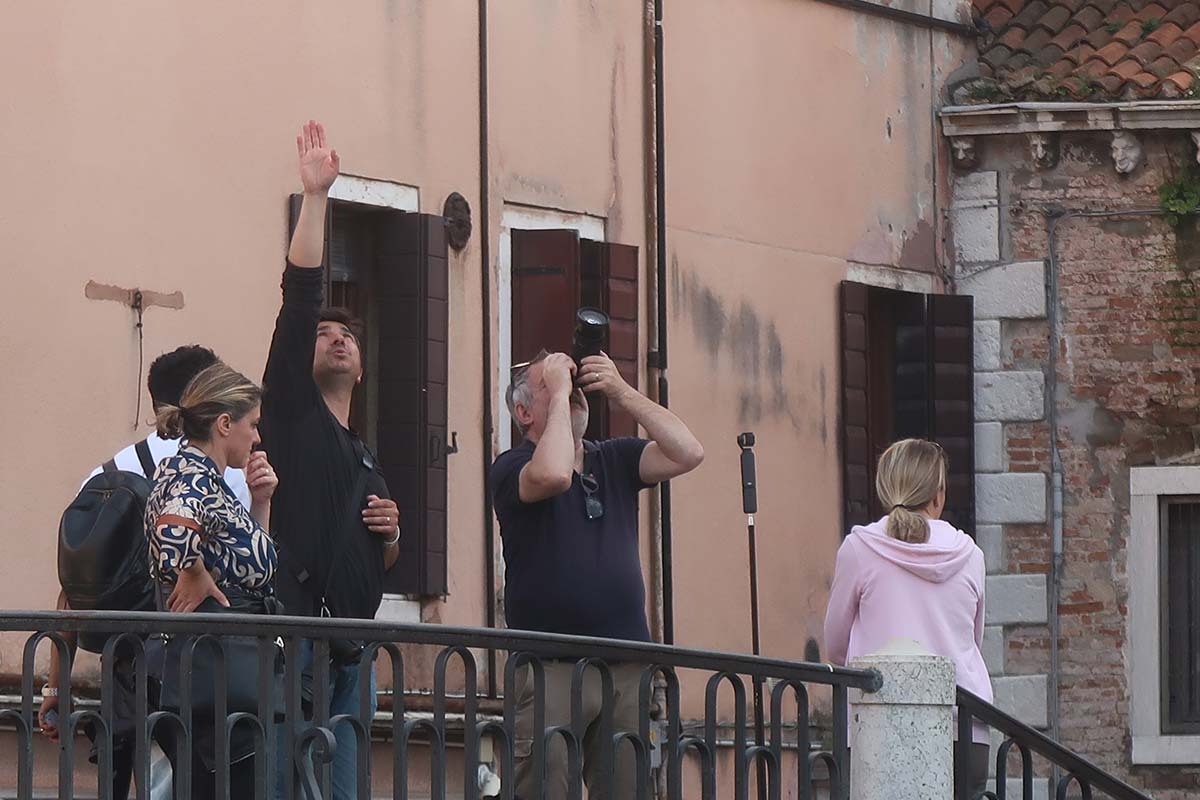
Bridges and calli are used by residents the same way they’re used by visitors. So when you stop in the middle to take a photo, check your map, or just rest, it creates a pinch point that can slow someone down.
A few simple tips:
- Step gently to the side if you need to stop;
- Be mindful of luggage and backpacks in narrow spots;
- Keep voices low, especially early morning and late evening.
Following these small courtesies helps everyone enjoy the city. For more advice on moving respectfully through Venice, check out my practical tips guides.
4. Choose local over tourist stores
This one matters a lot. Venice has lost many traditional shops to mass-produced souvenirs and tourist-focused outlets.
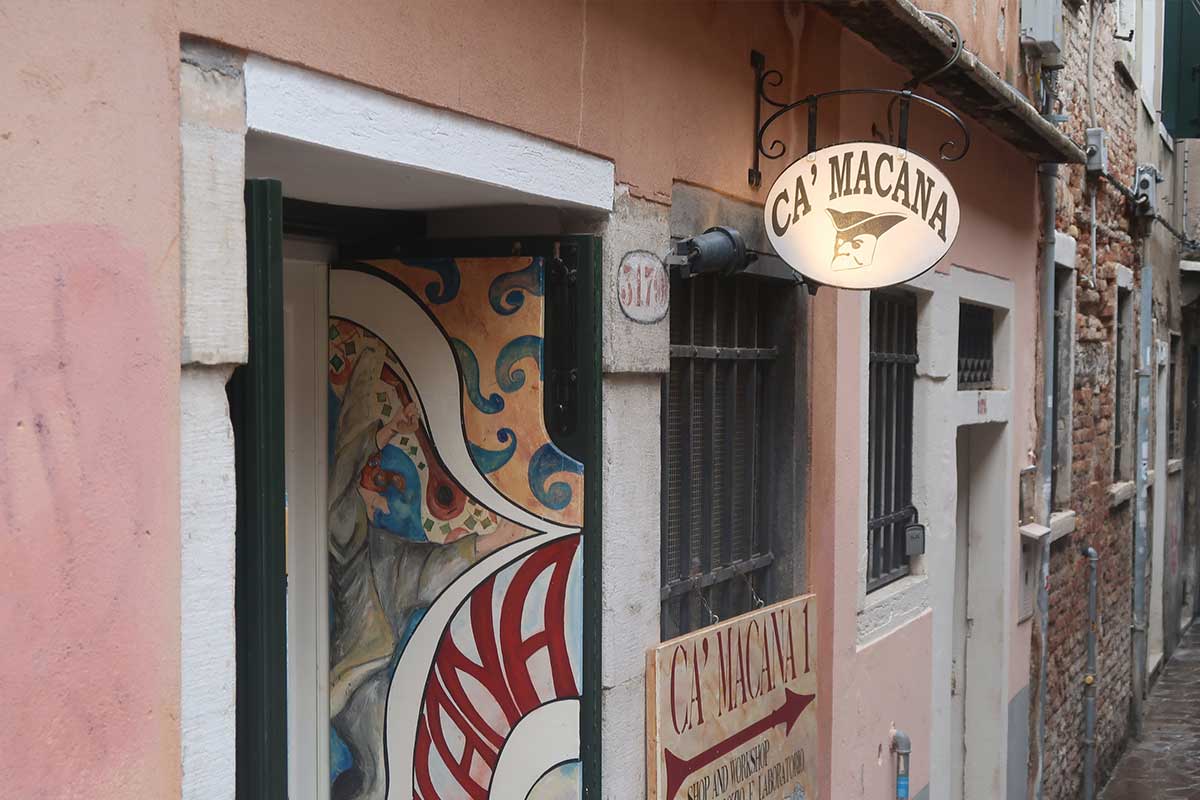
Where you spend your money can make a real difference:
- Eat in neighbourhood osterie, trattorie and bacari instead of restaurants that are clearly there to attract tourists;
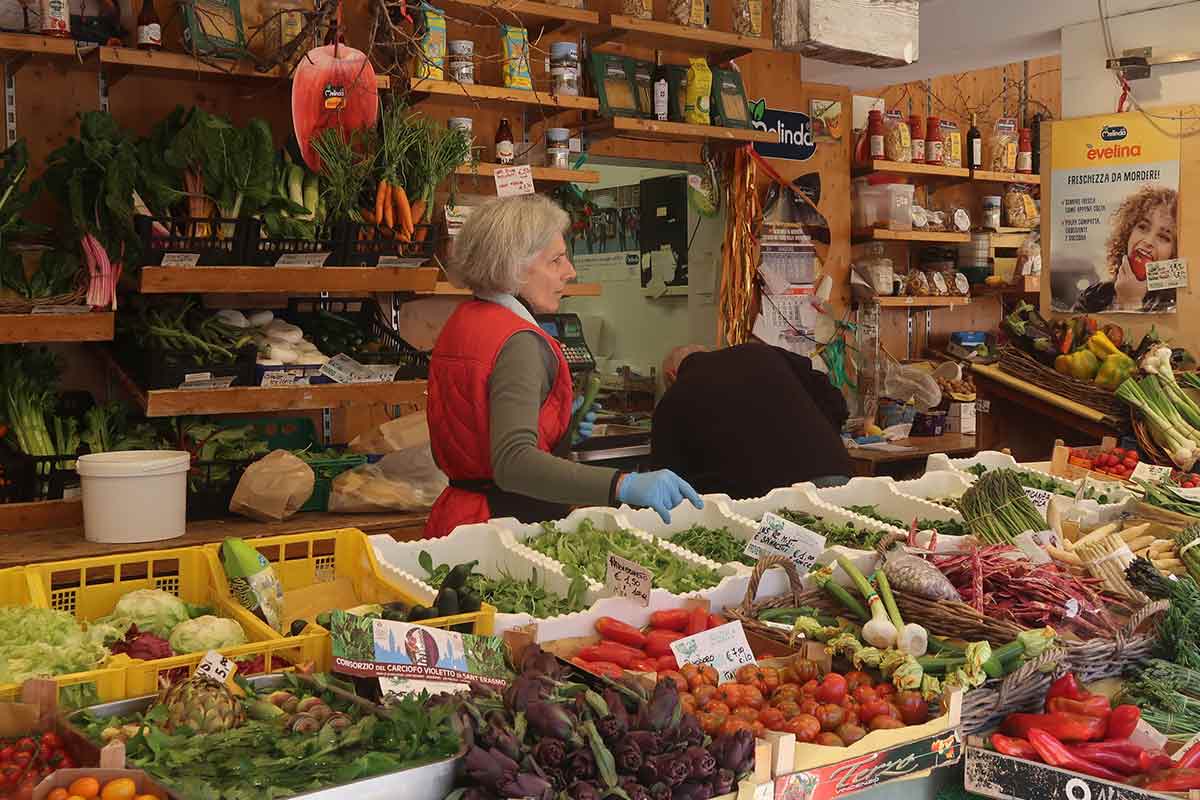
- Buy bread, pastries, and coffee from family-run bakeries and pastry shops. Here’s my reel of one I recommend;
- Choose local artisans and artists for Venetian glass, handmade leather, and traditional crafts and artwork pieces, rather than mass-produced souvenirs. I shared a couple of Venetian artisans’ locations in this reel.
Supporting these businesses helps keep the neighbourhoods alive. If you’re looking for ideas on authentic Venetian products, our guide to souvenirs will show you what’s genuinely worth buying.
5. Learn and follow local etiquette
Venetians care deeply about their city, and they notice when visitors behave properly but will show a lot of disappointment if you don’t behave respectfully. Following local etiquette shows that you care and helps keep the city pleasant for everyone.
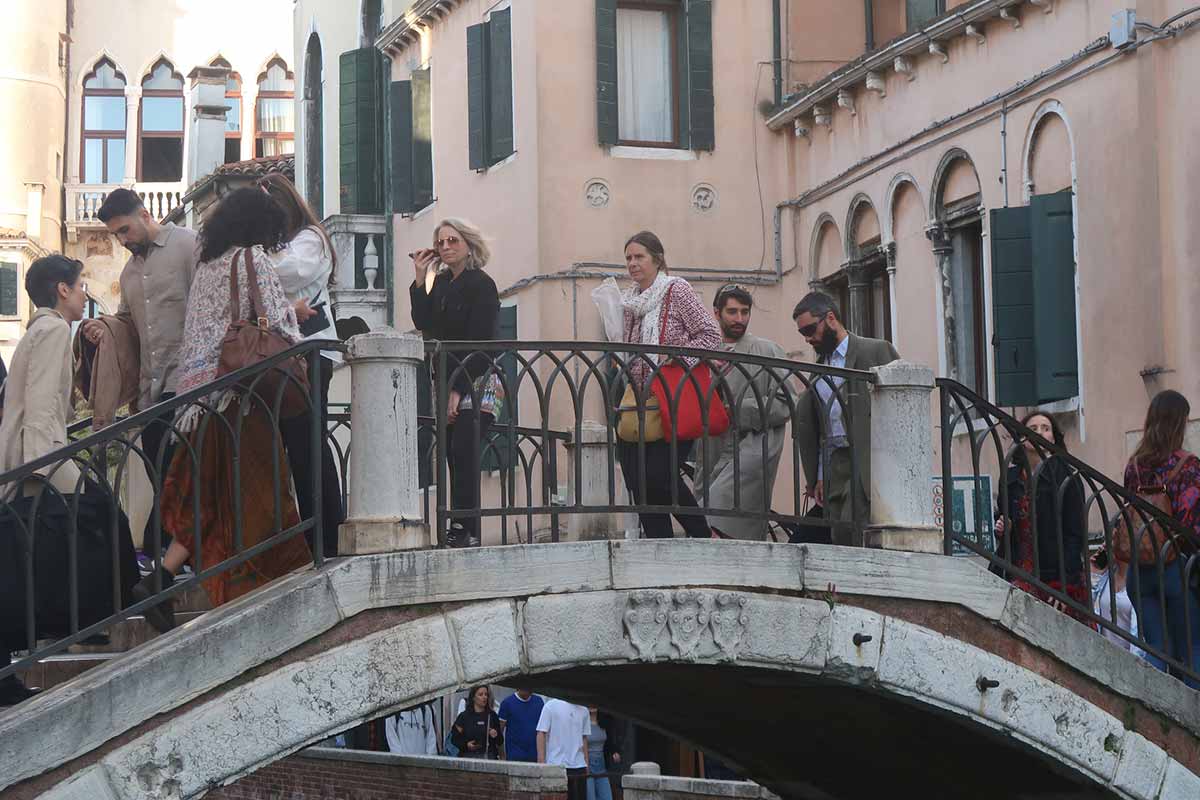
A few key points:
- Don’t picnic on bridges, steps or near churches: it affects the look and feel of public spaces;
- Dispose of rubbish properly: bins are limited, so hold onto litter until you see one or take it back to your accommodation;
- Save swimwear for the beach: canals are not beaches;
- Follow vaporetto and traghetto etiquette: locals get on and off quickly. The traghetto is first and foremost a public service for residents, so don’t use it if the queues are long.
Even using a few simple words like buongiorno, grazie, and permesso goes a long way in creating friendly interactions. For more about experiencing Venice like a local, see my local experience guide.
6. Choose responsible accommodation
Short-term rentals have become a real issue in Venice, reducing long-term housing and pushing residents out of the city.
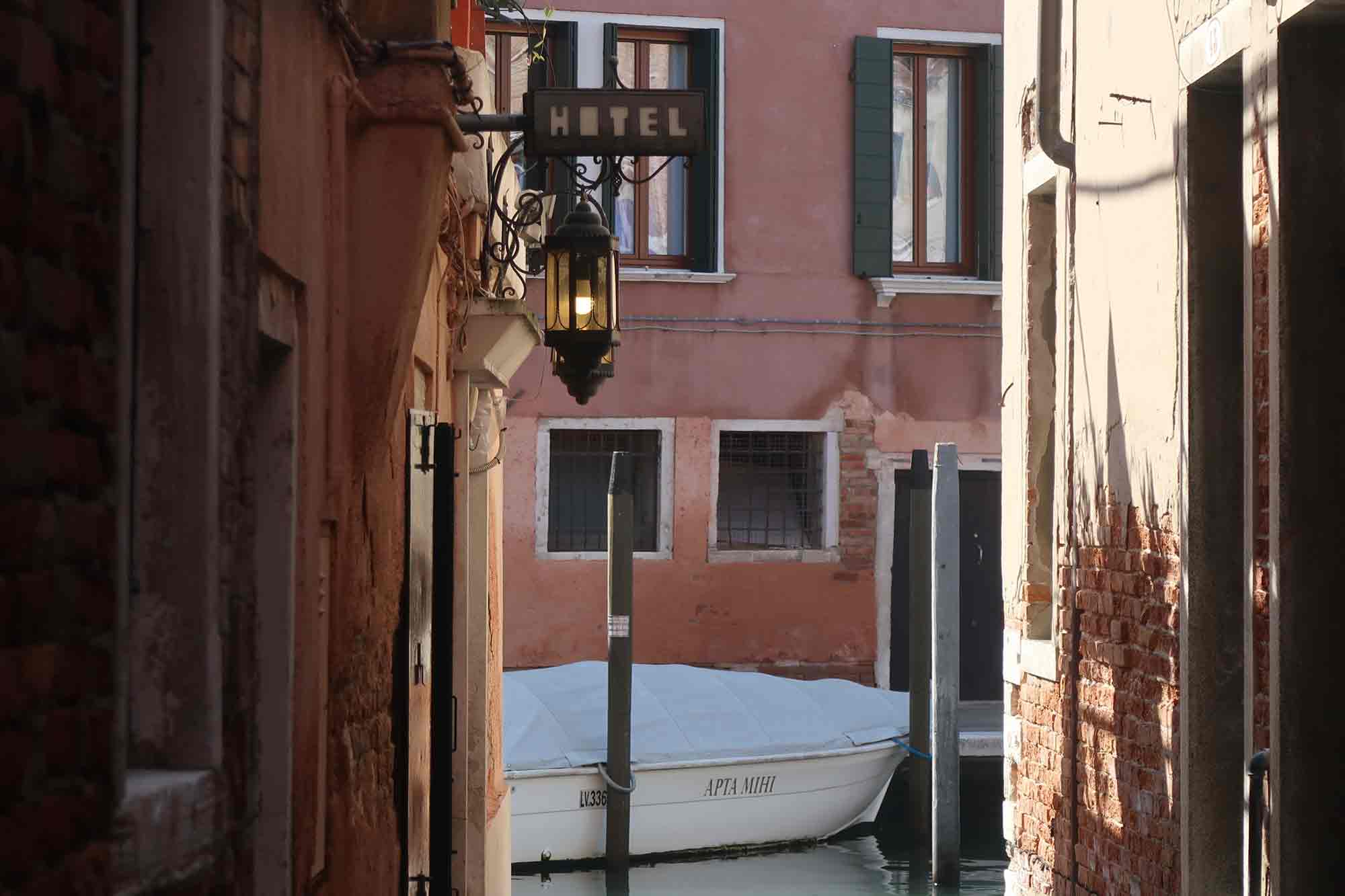
When possible, opt for:
- Locally owned hotels and guesthouses like Bloom&Settimo Cielo;
- Transparent and mindful of impact accommodation like Hotel Moresco;
- Places that care about community, not just occupancy rates like Hotel Flora.
Where you stay isn’t just about convenience; it’s about supporting the people who make Venice home. My Venice accommodation guide lists more accommodation options in each neighbourhood of the city.
7. Travel slowly and thoughtfully
Venice rewards those who take their time. Early mornings and evenings are quieter, gentler, and often more beautiful. Rushing around may mean missing the small details that make the city magical.
Take a look at my reel showing Venice at sunrise to get an idea.
Instead of trying to cram everything into a day trip:
- Stay overnight if you can and, ideally, more than 3 days;
- Wander without a strict schedule. Create space in your itinerary to walk around without rush, and take time to “get lost”;
- Explore islands beyond Murano and Burano and if you are spending long enough, visit other places in the Veneto region.
Slowing down reduces pressure on the city and gives you a richer, more meaningful experience. For an easy, thoughtful itinerary, check my slow travel guide.
Got travel insurance for your trip?

World Nomads offers simple and flexible travel insurance. Buy at home or while travelling and claim online from anywhere in the world.
Why being a good tourist in Venice truly matters
Being a good tourist in Venice means treating the city like a home, because that’s exactly what it is.
Every choice you make, from where you eat, where you stay and how you move, impacts the city and its residents. Thoughtful travel helps Venice remain vibrant and liveable, and ensures you’ll have a far more memorable experience.
Travel with purpose, support the local way of life, and enjoy the small details that make Venice unforgettable.
📌 Like this guide? Tap to Pin it…
If you found this Venice travel guide helpful, feel free to buy me a virtual coffee here.
“Dear traveller! Some links in this post contain affiliate links. Meaning, if you click through and make a tour booking or reserve a hotel, I may earn a small commission at no additional cost to you. Your support means a lot to me and helps me to keep creating and maintaining the quality of this site for you.”